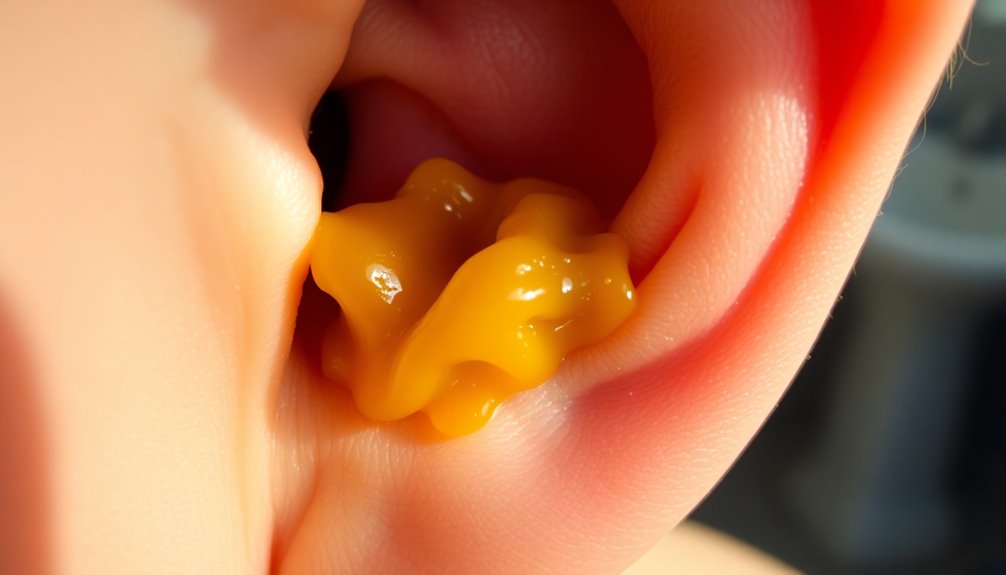
Hearing aid feedback is that annoying high-pitched squeal or whistle you hear, caused when sound escapes or re-enters your device. This usually happens if your device isn’t fitted properly, if there’s dust or moisture blocking the microphones, or if the device gets damaged. External interference or loose parts can also contribute. Regular maintenance and proper handling can help prevent feedback, but understanding these causes can make managing it easier. Keep exploring to learn more about fixing and preventing feedback issues.

Get oils, diffusers and self-care delivered free with Prime
- Fast, free delivery on millions of items
- Prime Video, Amazon Music and more included
- Member-only deals all year
Key Takeaways
- Hearing aid feedback is a high-pitched noise caused by sound escaping and re-entering the device.
- It often results from poor fit, blockages, or damage disrupting the sound flow.
- External factors like electrical interference can also trigger feedback.
- Proper maintenance and fitting are essential to prevent and manage feedback issues.
- Feedback cancellation technology helps reduce or eliminate this squealing sound.

Hearing aid maintenance plays a crucial role in preventing feedback. Dust, earwax, and moisture can clog microphones and tubing, disrupting sound flow and causing squealing. Regularly cleaning your hearing aid, including the microphone and receiver, can prevent these blockages. Checking the ear mold or dome for wax buildup and replacing filters when needed keeps the device functioning smoothly. Ensuring your hearing aid is properly inserted and fits snugly in your ear also reduces the chances of feedback. If your hearing aid isn’t seated correctly, sound can escape or re-enter in a way that causes that annoying whistle. Additionally, understanding home electrical systems can help you recognize and mitigate external interference that could contribute to feedback issues. Being aware of device compatibility with other electronics can also prevent unintended feedback from nearby devices. Maintaining awareness of proper device handling techniques can further reduce the likelihood of damage or misalignment that leads to feedback. Regularly inspecting your device for signs of wear or damage can also help catch problems early before they cause feedback issues. A good understanding of sound environment can help you adjust your hearing aid settings more effectively to reduce feedback in different situations.
Sound quality adjustments are another key factor. Sometimes, feedback occurs because the device’s settings are not optimized for your current environment. Many modern hearing aids allow for automatic or manual sound adjustments. If you notice feedback, try changing the program or volume to see if that resolves the issue. Some devices have specific features to reduce whistling, like feedback cancellation technology, which detects and suppresses the squeal in real-time. Fine-tuning these settings with your audiologist can dramatically improve sound quality and eliminate feedback.
It’s also worth noting that a poor fit can cause feedback. If the ear mold or dome doesn’t sit properly, sound leaks out, leading to that high-pitched noise. An audiologist can help adjust or replace parts to ensure a secure fit. Remember, even small changes in how your hearing aid fits or how you use it can make a big difference in sound quality and feedback reduction. Developing good hearing aid handling habits is essential for maintaining optimal performance and preventing feedback.
Ultimately, understanding what hearing aid feedback really means helps you stay proactive. Regular hearing aid maintenance, along with sound quality adjustments, can keep your device working optimally. When you take care of your hearing aid and work with your audiologist to fine-tune its settings, you’ll enjoy clearer sound and fewer frustrations. Feedback is a common issue, but it’s also easily manageable once you understand its causes and how to address them.
Products Worth Considering

Philips Sonicare ProtectiveClean 5300 Rechargeable Electric Toothbrush, Black, with 3 Brush Heads

Philips Sonicare 9900 Prestige Electric Toothbrush with 5 Brush Heads, Champagne

Philips Sonicare DiamondClean 9500 Electric Toothbrush with 3 Brush Heads, Black
As an affiliate, we earn on qualifying purchases.
Frequently Asked Questions
Can Hearing Aid Feedback Cause Hearing Loss?
Hearing aid feedback itself doesn’t cause hearing loss, but it indicates your device’s feedback management might need adjustment. Feedback occurs when sound escapes and re-enters the microphone, creating a loop. Continuous feedback signals you should visit your audiologist, as improper feedback management can lead to discomfort or improper amplification. Modern hearing aid technology reduces feedback effectively, so addressing feedback issues promptly helps protect your hearing health and guarantees peak device performance.
How Do I Prevent Feedback With My Hearing Aids?
Think of your hearing aids as delicate musical instruments—you must care for them to prevent feedback. Regular hearing aid maintenance helps identify issues early, while feedback prevention techniques like proper fit, keeping the microphones clean, and adjusting volume settings can work wonders. By staying proactive and attentive, you guarantee clear sound quality and avoid annoying squeals, making your hearing experience both enjoyable and trouble-free.
Is Feedback More Common With Certain Hearing Aid Models?
Yes, feedback is more common with certain hearing aid models, especially those with designs that don’t effectively block feedback pathways. Hearing aid design plays a key role in minimizing feedback frequency, so models with advanced feedback suppression features tend to have less trouble. If you’re experiencing frequent feedback, consider trying different models or consulting your audiologist to find one optimized for your hearing needs and to reduce feedback issues.
Can Feedback Be a Sign of a Broken Hearing Aid?
It’s unlikely that feedback indicates a broken hearing aid; instead, it often signals issues with fitting or earwax buildup. Investigating this theory, proper maintenance and fitting are essential for maximum hearing health and assistive technology performance. Feedback usually results from poor seal or device placement, not malfunction. To guarantee your hearing aid functions correctly, get it checked regularly and maintain ear cleanliness, preventing unnecessary concern over potential device damage.
How Long Does It Take to Fix Feedback Issues?
Fixing feedback issues usually takes a few minutes to an hour, depending on the cause. You’ll want to guarantee proper sound amplification and device calibration, which are essential for clear audio. First, your audiologist might adjust the hearing aid’s settings or check for blockages. Sometimes, simple adjustments can eliminate feedback quickly. If the problem persists, further calibration or repairs may be necessary, but most fixes are fairly quick.
Conclusion
Hearing aid feedback is like a tiny thunderstorm in your ear, a reminder that your device is working hard but sometimes needs a little tune-up. Think of it as your hearing aid’s way of whispering, “I’m here to help, but I need a moment to breathe.” With a little adjustment, you can turn that disruptive crackle into a smooth, harmonious melody, letting your hearing journey flow like a gentle stream, clear and uninterrupted.