
When dealing with earwax, I recommend starting with ear drops to soften the wax, followed by gentle irrigation if needed, but always carefully and according to instructions. If you experience pain, hearing loss, dizziness, or if DIY methods don’t work, I suggest consulting a professional like an ENT specialist. They have the right tools and experience to remove wax safely. Keep exploring to discover more safe tips and when it’s truly time to seek help.
Key Takeaways
- Use earwax removal drops containing carbamide peroxide or mineral oil to soften wax before attempting irrigation.
- Perform ear irrigation carefully with warm saline or water after softening, using a bulb syringe to avoid injury.
- Seek professional help if DIY methods fail, or if you experience pain, dizziness, or hearing loss.
- Avoid using cotton swabs or ear candles, as they can push wax deeper or cause ear injury.
- Consult an ENT specialist for impacted wax, perforated eardrum, or if previous attempts cause discomfort.

Many of us struggle with earwax buildup and wonder about the safest way to remove it. When faced with this common issue, it’s tempting to try DIY remedies like cotton swabs or ear candles, but these methods can actually cause more harm than good. Instead, I recommend understanding the options available, including effective earwax removal drops, irrigation techniques, and when it’s best to see a professional.
Avoid DIY earwax removal methods; consult professionals for safe, effective solutions.
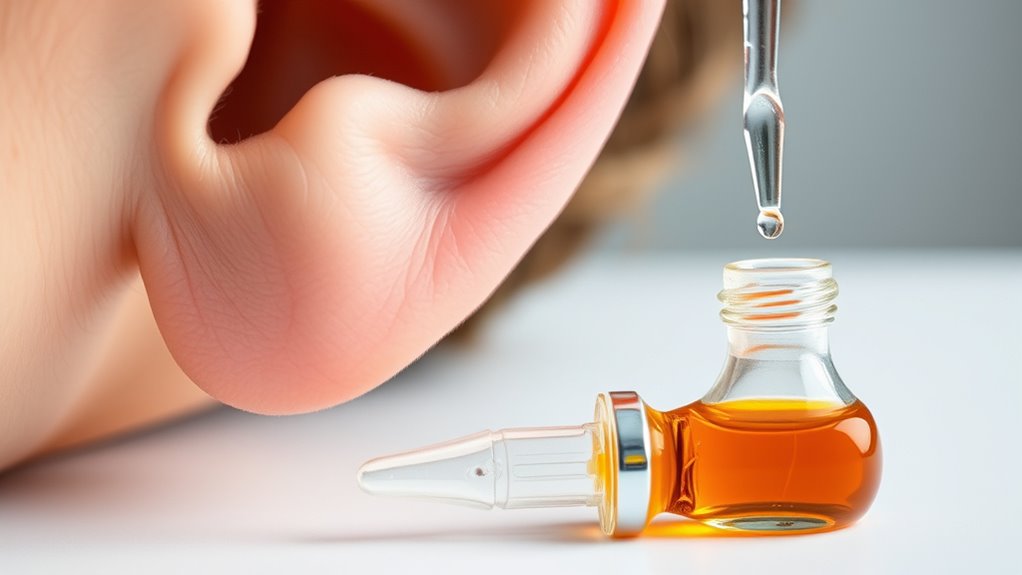
Earwax drops are a popular first step because they soften the wax, making it easier to come out naturally. Over-the-counter ear drops typically contain carbamide peroxide or mineral oil, which gently break down the hardened wax. I usually advise applying a few drops into the ear while tilting my head, then letting it sit for several minutes. This approach is simple, safe, and suitable for most people. It’s important, however, to follow the instructions carefully and avoid using drops if you suspect a perforated eardrum or if there’s pain or discharge, as these could indicate an underlying problem.
If softening the wax doesn’t do the trick, irrigation can be an effective next step. This involves gently flushing the ear with warm water or a saline solution using a bulb syringe. I find that irrigating after softening the wax with drops can help dislodge stubborn buildup. When I do this at home, I ensure the water isn’t too hot or cold to prevent dizziness, and I avoid forcing water into the ear. While many people successfully use irrigation at home, it’s vital to be cautious. Improper technique can push wax deeper, cause irritation, or even damage the ear canal or eardrum.
There are times when DIY remedies aren’t enough or aren’t safe. If you experience pain, hearing loss, dizziness, or if the wax is impacted deeply, it’s best to see a professional. ENT specialists or audiologists have the training and proper tools to safely remove earwax through professional procedures. These procedures may involve manual removal with appropriate instruments or irrigation performed in a controlled setting. Going to a pro is especially important if you have a history of ear infections, a perforated eardrum, or ear surgery.
Frequently Asked Questions
Can Earwax Removal Cause Permanent Hearing Loss?
Earwax removal can cause earwax damage if done improperly, but it usually doesn’t lead to permanent hearing loss. I always warn people that aggressive or incorrect methods might temporarily impair hearing or cause discomfort. If done carefully and safely, the risk of hearing impairment is minimal. If you experience pain or persistent hearing issues after removal, it’s best to see a professional to avoid potential damage.
Are There Natural Remedies to Prevent Excessive Earwax Buildup?
Did you know that over 10% of people experience excess earwax? I’ve found that natural home remedies like olive oil drops and dietary adjustments, such as increasing hydration and fiber intake, help prevent buildup. These methods keep earwax soft and manageable. Just remember to avoid inserting objects and consult a professional if problems persist. Staying proactive with simple home remedies can really make a difference!
How Often Should I Schedule Professional Ear Cleaning?
I recommend scheduling professional ear cleaning during regular checkups, especially if you experience symptoms like hearing loss, discomfort, or a feeling of fullness. For most people, an annual visit suffices, but if you notice increased buildup or symptoms, more frequent visits might be necessary. Regular checkups help monitor symptoms and prevent issues. Always consult with a healthcare professional to determine the best cleaning schedule for your needs.
Is It Safe to Use Q-Tips for Earwax Removal?
Using Q-tips for earwax removal isn’t safe. I know many think they’re helpful, but Q tips can push wax further in, risking earwax damage or even perforating the eardrum. Q-tips safety is questionable because they often do more harm than good. Instead, I recommend gentle ear drops or seeing a professional for safe removal. Always prioritize your ear health to avoid complications.
What Symptoms Indicate a Need for Immediate Medical Attention?
If you experience severe ear pain or dizziness, you should seek immediate medical attention. These symptoms could indicate a more serious problem like an infection or a ruptured eardrum. Don’t ignore persistent discomfort or if your hearing suddenly worsens. I recommend seeing a healthcare professional promptly to avoid complications. Remember, ear symptoms shouldn’t be taken lightly, especially when they interfere with your daily life.
Conclusion
Remember, when it comes to earwax removal, it’s best to be gentle and patient—think of it like tending a delicate garden. Whether you choose drops, irrigation, or see a pro, always prioritize safety and listen to your body. If you’re unsure or experience pain, don’t hesitate to seek professional help. After all, as the saying goes, “A stitch in time saves nine”—addressing ear issues early can save you from bigger problems down the road.