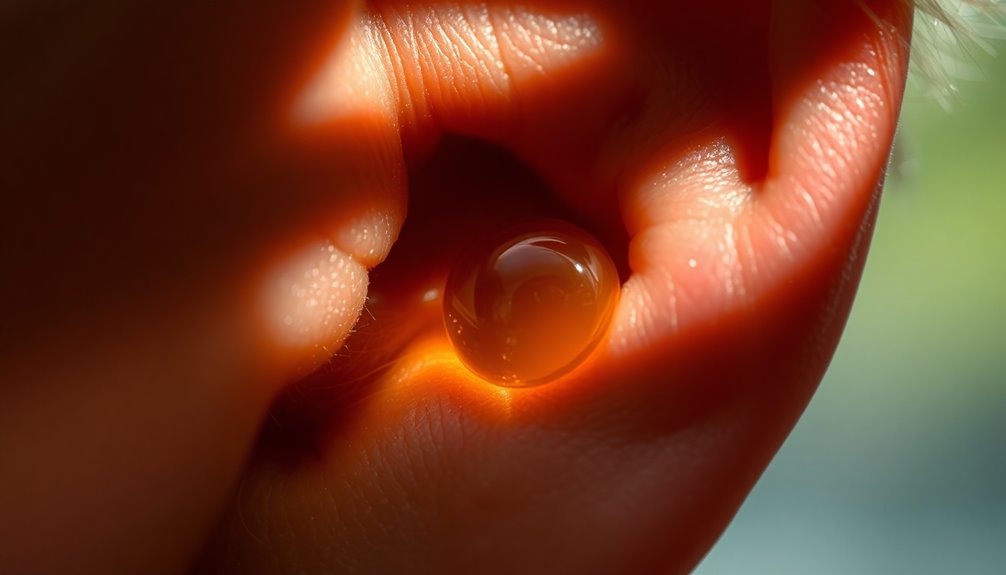
With a digital otoscope at home, you can see high-resolution images of your ear, identify signs of infections like redness or fluid, and monitor minor issues over time. However, you can’t rely on it for a full diagnosis or complex problems—those need a professional. Improper use can cause discomfort, and images might be misleading if you’re not sure what to look for. Keep exploring to discover how to use it safely and effectively.

Get oils, diffusers and self-care delivered free — and shop member deals
- Fast, free delivery on millions of items
- Access to Prime Big Deal Days deals on October 6–7
- Prime Video, Amazon Music and more included
Key Takeaways
- Digital otoscopes can provide clear images of ear canal conditions like redness, swelling, and wax buildup at home.
- They allow instant viewing and sharing of ear images for better understanding and monitoring.
- You cannot diagnose complex or internal ear problems or detect subtle issues without professional equipment.
- Improper use may cause discomfort or injury, and images can be misinterpreted without medical knowledge.
- They are useful for early detection and tracking minor issues but do not replace professional medical evaluation.
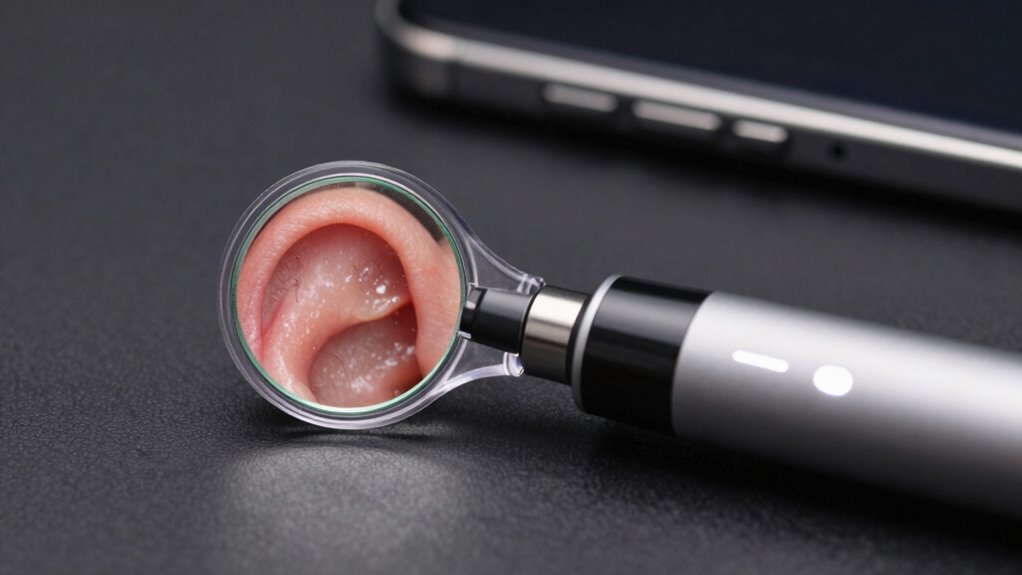
Digital otoscopes have revolutionized ear examinations by providing clear, high-resolution images that can be instantly viewed and shared. With this technology, you can get a detailed look at your ear canal and eardrum without needing a visit to the doctor’s office. This can be especially helpful for monitoring your hearing health and catching potential problems early. When used correctly, a digital otoscope can help you identify signs of ear infections, such as redness, swelling, or fluid buildup, giving you a better understanding of what’s happening inside your ear.
Digital otoscopes offer clear images for easy at-home ear health monitoring and early infection detection.
However, it’s important to recognize the limitations of using a digital otoscope at home. While it allows you to see your ear canal and eardrum more clearly than ever before, it doesn’t replace professional medical advice. If you notice persistent pain, discharge, or hearing loss, you should consult a healthcare provider. Digital otoscopes are useful tools for initial assessments and for tracking minor issues, but they can’t diagnose every condition. Some ear infections, for example, require a professional’s expertise to determine the cause and appropriate treatment.
You can use a digital otoscope to improve your awareness of your hearing health, but keep in mind that what you see isn’t always conclusive. Sometimes, the images may be misleading or difficult to interpret if you’re unfamiliar with ear anatomy. While these devices can help you spot obvious issues like wax buildup or redness, they won’t detect more subtle problems or internal conditions that require specialized equipment. It’s also worth noting that improper use, such as inserting the device too forcefully, can cause discomfort or injury, so caution is essential. Understanding home medical device limitations is essential for using these tools safely and effectively.
At-home use of a digital otoscope is a powerful way to stay informed about your ear health, particularly when it comes to monitoring for ear infections. Early detection allows you to seek treatment sooner, potentially preventing complications. Still, it’s *vital* to remember that these devices are supplementary tools, not replacements for professional care. They give you a closer look, but complex issues—especially those affecting your hearing—should always be evaluated by an ear specialist. This way, you can enjoy peace of mind knowing you’re taking proactive steps to maintain your hearing health while understanding the limits of what you can see at home. Additionally, understanding the limitations of home medical devices is crucial for making informed health decisions.
digital otoscope for ear examination
As an affiliate, we earn on qualifying purchases.
As an affiliate, we earn on qualifying purchases.
Frequently Asked Questions
Are Digital Otoscopes Safe for Children’s Ears?
Digital otoscopes are generally safe for children’s ears if used properly, but child safety is essential. You should avoid inserting the device too deep to prevent injury, and always follow the manufacturer’s instructions. Regular use can help monitor ear health, but if you notice pain or discomfort, consult a healthcare professional. Ensuring gentle handling and proper hygiene supports your child’s ear health and keeps safety a top priority.
How Often Should I Clean My Digital Otoscope?
You should clean your digital otoscope after every use to maintain hygiene and prevent earwax buildup. Regular cleaning guarantees clear images and reduces the risk of infection. Use a soft, damp cloth or alcohol wipe to gently remove earwax or debris from the tip and lens. Avoid immersing the device in water. Proper cleaning frequency helps keep your otoscope in top shape and supports effective earwax removal when needed.
Can Digital Otoscopes Detect Ear Infections?
About 80% of ear infections show visible signs in the ear canal anatomy, which digital otoscopes can help you spot. While they can reveal redness or fluid buildup, they can’t definitively diagnose an ear infection. You need a healthcare professional for that. If you notice infection symptoms like pain or discharge, a digital otoscope offers a helpful visual, but it’s not a substitute for medical advice.
Do Digital Otoscopes Require Professional Calibration?
Digital otoscopes generally don’t require frequent calibration if you follow the manufacturer guidelines. However, calibration frequency depends on how often you use the device and the manufacturer’s recommendations. Regularly check for software updates and perform calibration as advised to guarantee precise images. If you notice issues with image clarity or measurements, it’s wise to recalibrate or consult the manufacturer’s instructions to maintain peak performance.
What Are the Limitations of Home Ear Examinations?
Home ear examinations have limitations because you can’t fully understand ear canal anatomy or spot subtle issues. You might see parts of your ear, but complex problems like infections or ear drum damage often require professional tools and expertise. Relying solely on a digital otoscope can give false reassurance. For hearing health awareness, it’s best to consult an audiologist or healthcare professional for thorough assessments and accurate diagnosis.
Conclusion
Think of a digital otoscope as your trusty lantern in a dark tunnel. It reveals what’s hidden and guides you through the unknown, giving you a glimpse of your inner world. But remember, even the brightest light can’t replace a trained guide when it comes to understanding every twist and turn. Use your otoscope wisely—it’s a helpful tool, but sometimes, you still need a professional’s expert eye to navigate safely and truly understand what’s going on inside.
Halloween Picks
halloween
As an affiliate, we earn on qualifying purchases.