
In quiet rooms, your tinnitus seems louder because there’s less external noise to mask it. Without background sounds like traffic or chatter, your brain focuses more on internal sounds, making the ringing or buzzing more noticeable and persistent. You’ll find that silence heightens your hearing sensitivity, amplifying your perception of tinnitus. This shift in focus can make the noise seem more intense. If you want to understand how to manage this better, keep exploring the details.

Get oils, diffusers and self-care delivered free with Prime
- Fast, free delivery on millions of items
- Prime Video, Amazon Music and more included
- Member-only deals all year
Key Takeaways
- Silence reduces external noise, making internal tinnitus sounds more prominent and noticeable.
- In quiet environments, the brain filters background sounds less effectively, increasing tinnitus perception.
- Lack of masking noise allows internal sounds to dominate attention, intensifying tinnitus awareness.
- Increased hearing sensitivity in silence makes subtle internal sounds like tinnitus more noticeable.
- Introducing background noise or masking sounds helps diminish tinnitus loudness in quiet settings.
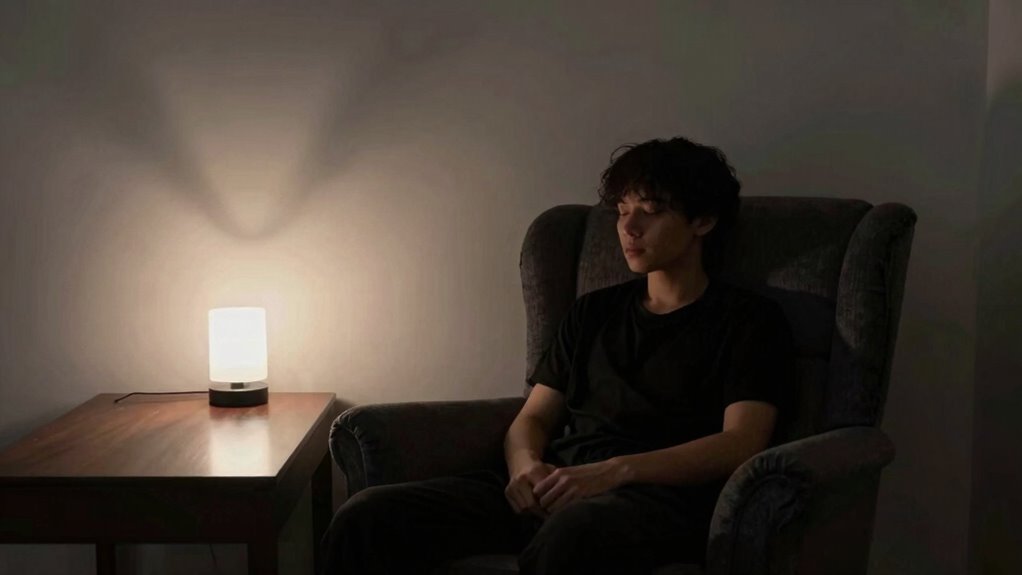
When you’re in a quiet room, your tinnitus often seems louder, but the reason isn’t just about silence—it’s about how your brain processes sound. In quiet environments, your hearing sensitivity becomes heightened because there’s less external noise to mask the internal sounds. Your brain, which normally filters out background noise to focus on important sounds, doesn’t have as much to work with, so it starts paying more attention to the ringing or buzzing in your ears. This heightened awareness can make tinnitus feel more intense, turning what might be a mild ringing into something quite intrusive.
Background noise plays a crucial role here. When there’s constant environmental noise—like traffic, chatter, or music—your brain can focus less on the tinnitus because it’s busy processing other sounds. These noises act like a mask, reducing the contrast between the internal sound and the external environment. But in a quiet room, that masking effect disappears. Your brain, craving stimulation, zeroes in on the internal sounds, which amplifies your perception of tinnitus. Essentially, without background noise, your brain has fewer distractions, and your hearing sensitivity increases, making the tinnitus seem louder and more noticeable.
You might notice that in noisy places, your tinnitus feels less bothersome, even if the internal sound itself doesn’t change. That’s because your brain is preoccupied with other sounds, so the tinnitus doesn’t dominate your attention. Conversely, in silence, your brain has no alternative focus, so the internal noise takes center stage. This shift in attention can make the tinnitus seem more persistent and louder than it actually is. Hearing sensitivity, while beneficial for detecting subtle sounds, can sometimes be a double-edged sword when it comes to tinnitus perception.
A key factor is that auditory processing can be influenced by environmental conditions, affecting how loud tinnitus feels. While it’s helpful in many situations, this heightened sensitivity can also make quiet moments particularly challenging for those with tinnitus. Additionally, environmental factors like background noise levels can help modulate how much the tinnitus is perceived, emphasizing the importance of managing your surroundings.
Your hearing sensitivity is a double-edged sword here. While it allows you to pick up subtle sounds, it also makes you more aware of your tinnitus when there’s nothing else to listen to. That’s why many people find relief by introducing some background noise—like a fan, soft music, or white noise—to help reduce the contrast. Doing so can lessen the perceived loudness of tinnitus, providing a bit of relief in quiet moments. Understanding this interplay between hearing sensitivity and background noise can help you manage your tinnitus better and find strategies to make quiet rooms a little more bearable.
Products Worth Considering

Therabody SleepMask Blackout Eye Mask with Vibration

Therabody Theragun Relief Massage Gun, 3-Speed, Navy

Oura Ring 5 Smart Ring, Silver, Size 8
As an affiliate, we earn on qualifying purchases.
Frequently Asked Questions
Can Tinnitus Be Cured Completely?
Tinnitus can’t be cured completely, but you can manage it effectively. Sound masking techniques help by covering up the ringing sounds, making them less noticeable. Cognitive therapy can also assist you in changing negative thoughts about tinnitus, reducing distress. By combining these approaches with other treatments, you can improve your quality of life and lessen the impact tinnitus has on your daily routine.
Does Age Affect Tinnitus Severity?
You might notice tinnitus worsening with age because of age-related hearing loss and changes in your auditory system. As you get older, these factors can make your tinnitus seem louder or more persistent. The degeneration of auditory cells and reduced hearing sensitivity amplify tinnitus perception. While age alone isn’t the sole cause, these natural changes can influence how severe your tinnitus feels, making it more noticeable in quiet environments.
Are There Specific Triggers That Worsen Tinnitus?
Yes, certain triggers can worsen your tinnitus, especially those that increase sound sensitivity or cause noise amplification. Loud environments, caffeine, stress, and certain medications often heighten the perception of ringing or buzzing. When you’re exposed to these triggers, your tinnitus may seem louder or more persistent. Recognizing and avoiding these triggers can help manage your symptoms and reduce discomfort, especially in situations where noise amplification is more noticeable.
How Is Tinnitus Diagnosed Professionally?
About 90% of tinnitus cases are diagnosed through hearing tests and an audiologist consultation. When you visit a hearing specialist, they’ll evaluate your ear health and perform specific tests to identify the cause. This professional assessment helps establish whether your tinnitus is linked to hearing loss or other issues, guiding appropriate treatment options. Regular audiologist visits ensure accurate diagnosis and better management of your tinnitus symptoms.
Can Lifestyle Changes Reduce Tinnitus Discomfort?
Yes, lifestyle changes can help reduce tinnitus discomfort. You can try mindfulness meditation to manage stress, which often worsens tinnitus. Dietary adjustments, like reducing caffeine and salt intake, may also lessen symptoms. Incorporating these habits into your daily routine can make a significant difference. Staying active, avoiding loud noises, and maintaining a healthy weight further contribute to easing tinnitus and improving your overall well-being.
Conclusion
When you’re in a quiet room, your tinnitus becomes louder, like a whisper turning into a shout. This happens because your brain has less noise to distract you, so it focuses more on the ringing or buzzing. Just like a spotlight shines brighter in the dark, your tinnitus stands out more in silence. Knowing this can help you understand your experience and find ways to manage it better. Remember, you’re not alone in this quiet battle.