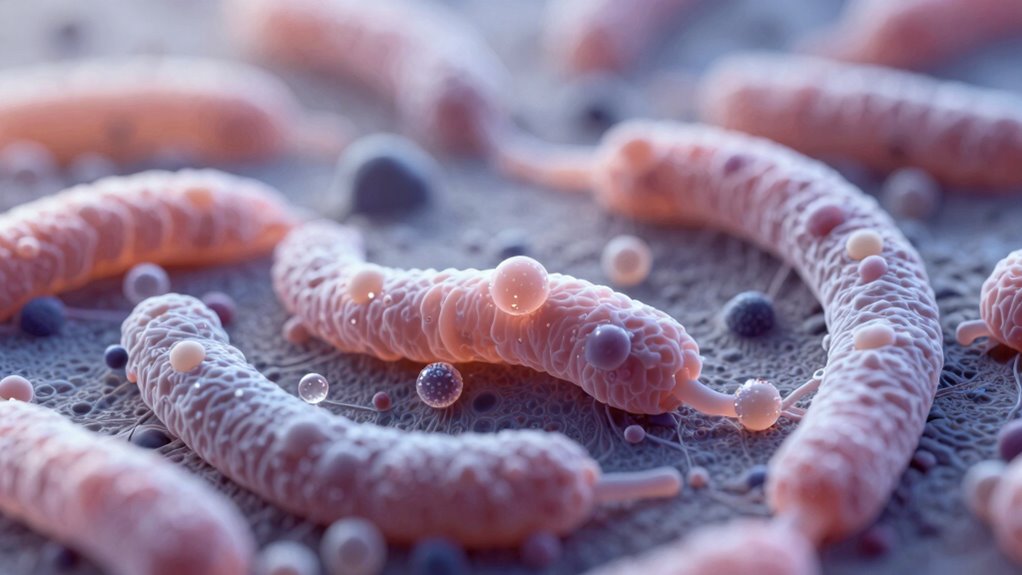

Balance in your vaginal microbiome means having the right mix of beneficial bacteria, mainly Lactobacilli, that keep your environment healthy and resistant to infections. These good bacteria produce lactic acid, which maintains an acidic pH and prevents harmful germs from growing. Stuff like harsh soaps, tight clothing, or hormonal changes can throw off this balance. Keep exploring to discover how to support your natural microbial harmony and maintain your vaginal health.
Key Takeaways
- Balance refers to a healthy proportion of beneficial bacteria, mainly Lactobacilli, maintaining an acidic vaginal environment.
- It involves the dominance of helpful microorganisms over harmful pathogens.
- Hormonal levels, especially estrogen, influence the microbial composition and overall balance.
- Lifestyle choices like hygiene, diet, and clothing can disrupt or support this microbial equilibrium.
- A balanced microbiome promotes comfort, prevents infections, and maintains vaginal health.
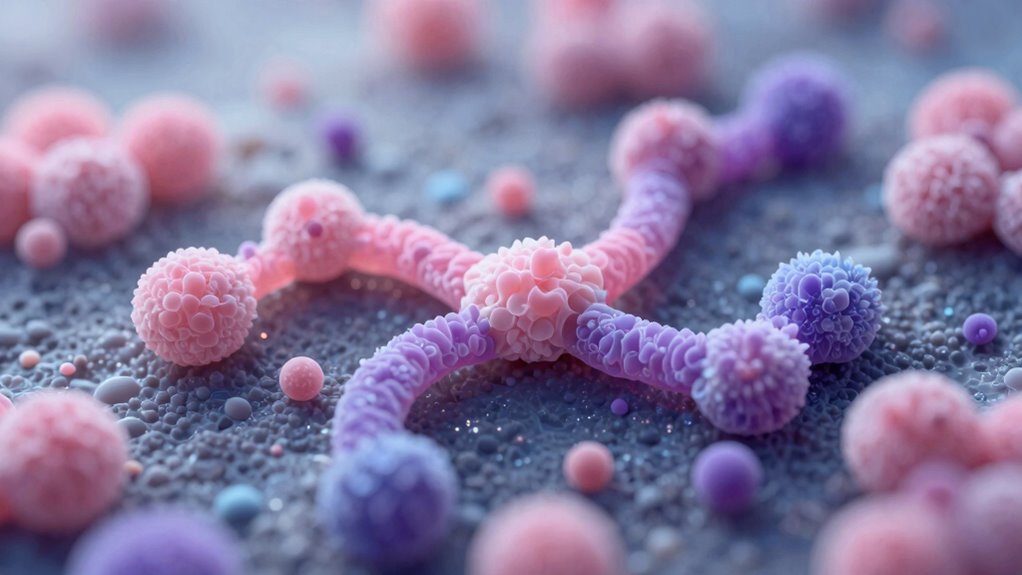
The balance in your vaginal microbiome plays a essential role in maintaining overall vaginal health. When this equilibrium is right, your body can fend off infections, stay comfortable, and avoid issues like odor or irritation. But what does “balance” really mean in this setting? Basically, it’s about having a healthy composition of microorganisms, mainly beneficial bacteria like Lactobacilli, which keep the environment acidic and inhibit harmful germs. When these good bacteria thrive, they produce lactic acid, maintaining an ideal pH that discourages the growth of pathogens. If this equilibrium shifts—whether due to hormonal influences or lifestyle factors—you might notice symptoms like itching, unusual discharge, or even infections.
A balanced vaginal microbiome supports health, prevents infections, and keeps discomfort and odor at bay.
Hormonal influences are some of the most significant factors affecting your vaginal microbiome. Fluctuations in estrogen levels, which happen during your menstrual cycle, pregnancy, or menopause, can alter the environment inside your vagina. Higher estrogen levels promote the growth of Lactobacilli, helping sustain that healthy, acidic pH. Conversely, as estrogen drops—such as during menopause or while on certain contraceptives—the Lactobacilli population can diminish, making your vagina more vulnerable to imbalances. These hormonal shifts can lead to discomfort or increased susceptibility to infections if your microbiome doesn’t adapt well. Understanding this connection helps you recognize why your vaginal health might change at different life stages and why maintaining hormonal balance is so fundamentally important.
Lifestyle factors also play a significantly important role in maintaining or disrupting vaginal microbial balance. Your daily habits, hygiene routines, diet, and even stress levels influence the microbial environment. For instance, frequent use of scented soaps, douches, or harsh cleansers can strip away beneficial bacteria or upset the natural pH, leading to imbalance. Wearing tight or non-breathable clothing creates a warm, moist environment that fosters the growth of harmful bacteria and yeast. Diet matters too; consuming probiotic-rich foods like yogurt or supplements can support beneficial bacteria, while high sugar intake can promote the growth of undesirable microbes. Stress, sleep deprivation, and lack of proper hydration can weaken your immune system, making it harder for your body to maintain that delicate microbial balance. Additionally, hormonal fluctuations can influence the microbiome, highlighting the complex interplay between hormones and microbial health. Supporting your immune function through healthy habits can help sustain this delicate balance effectively.

URO Vaginal Probiotics for Odor, Flora & pH Balance – 30-Day Supply
- Supports Vaginal Health: Clinically-studied ingredients for vaginal wellness
- Proprietary Blend: V-Positiv Probiotic and XOS Prebiotics
- Fast Results: See improvements within 7 days
As an affiliate, we earn on qualifying purchases.
As an affiliate, we earn on qualifying purchases.
Frequently Asked Questions
How Does Diet Influence Vaginal Microbiome Balance?
Your diet influences your vaginal microbiome by promoting microbial diversity through diet diversity. Eating a variety of nutrient-rich foods supports a healthy balance of beneficial bacteria, which helps prevent infections. Including fiber, probiotics, and prebiotics encourages a diverse microbiome. Avoid excess sugar and processed foods, which can disrupt this balance. By maintaining a balanced diet, you foster a resilient vaginal microbiome, supporting overall vaginal health and reducing discomfort.
Can Stress Affect Vaginal Microbial Health?
You might notice that stress influences your vaginal health, especially during hormonal fluctuations and periods of frequent sexual activity. When you’re stressed, your body releases cortisol, which can disrupt the balance of your vaginal microbiome. This imbalance can make you more susceptible to infections. Coincidentally, increased sexual activity can introduce new bacteria, further challenging your microbial balance. Managing stress helps support your vaginal health amid these natural fluctuations.
Is It Normal to Have Fluctuations in Vaginal Bacteria?
Yes, it’s normal to have fluctuations in vaginal bacteria. Your microbial diversity can change due to factors like hormonal shifts, sexual activity, or pH fluctuations. These variations are part of your body’s natural response to different conditions. Small changes in bacterial populations help maintain overall health, but if you notice persistent symptoms or significant shifts, it’s a good idea to consult a healthcare professional to make sure everything stays balanced.
How Do Antibiotics Impact Vaginal Microbiome Stability?
Antibiotics can disrupt your vaginal microbiome by reducing microbial diversity, which may weaken its natural defenses. This disturbance can lead to an imbalance, increasing the risk of infections like bacterial vaginosis or yeast overgrowth. While antibiotics are necessary sometimes, they can also promote antibiotic resistance and harm beneficial bacteria. To maintain stability, consider probiotics or other supportive measures during and after antibiotic treatment.
What Role Do Probiotics Play in Maintaining Balance?
Probiotics help maintain balance by boosting microbial diversity with strains like Lactobacillus crispatus. Imagine someone recovering from antibiotics; taking probiotics containing specific strains restores beneficial bacteria, preventing overgrowth of harmful microbes. These probiotics support a healthy vaginal environment by reintroducing essential microbes, which helps sustain the natural balance. Regular use can reduce infections and promote overall vaginal health, making probiotics a valuable part of your routine.
Conclusion
Understanding the balance in your vaginal microbiome is key to maintaining your overall health. When beneficial bacteria like Lactobacillus dominate, you’re less likely to experience infections or discomfort. Remarkably, studies show that women with a balanced microbiome have a 50% lower risk of bacterial vaginosis. So, supporting this delicate ecosystem through good hygiene and healthy habits can make a real difference. Keep your microbiome in check, and you’ll feel better from the inside out.