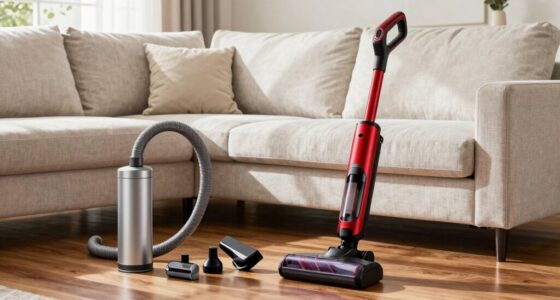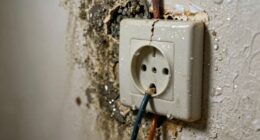
Using the right flood cleanup tools and drying techniques speeds up water removal, which is crucial to prevent mold, structural damage, and health risks. Quickly extracting water with wet vacuums and sump pumps, combined with industrial fans and dehumidifiers, accelerates evaporation and reduces lingering moisture. Proper moisture management ensures your space dries evenly and thoroughly. The faster you dry, the less damage occurs—stay with us to discover how precision tools make all the difference.

Get oils, diffusers and self-care delivered free — and shop member deals
- Fast, free delivery on millions of items
- Access to Prime Big Deal Days deals on October 6–7
- Prime Video, Amazon Music and more included
Key Takeaways
- Rapid drying prevents mold growth, structural damage, and health hazards caused by prolonged moisture exposure.
- Faster water removal reduces microbial proliferation and secondary damage, saving time and restoration costs.
- Using effective tools accelerates evaporation, ensuring quicker return to normalcy and minimizing property downtime.
- Prompt drying limits seepage into walls and furniture, decreasing long-term repair needs.
- Efficient drying techniques optimize moisture control, enhancing overall flood cleanup effectiveness.
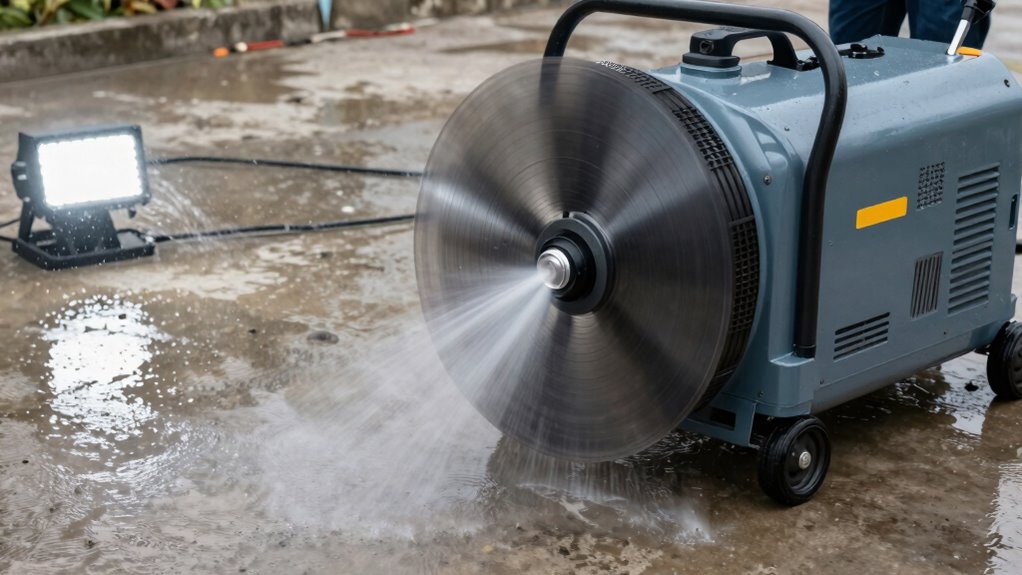
When flooding occurs, having the right cleanup tools can make all the difference in restoring your space quickly and safely. The key to minimizing damage lies in effective water extraction and efficient drying techniques. Water extraction tools, such as powerful wet vacuums and sump pumps, are essential for removing standing water fast. The quicker you can extract water, the less likely it is to seep into walls, floors, and furniture, which can lead to mold growth and structural issues. These tools help you start the drying process sooner, reducing the overall damage and the time needed for cleanup. Proper use of these tools can significantly minimize damage and help prevent costly repairs down the line.
Effective water extraction minimizes damage, speeds cleanup, and prevents mold growth after flooding.
Once the bulk of the water is removed, drying techniques become the next critical step. Using industrial-grade fans, dehumidifiers, and air movers accelerates the evaporation of residual moisture. The goal is to create an environment that promotes rapid drying while preventing secondary damage like mold or warping. Proper placement of these drying tools ensures even airflow and consistent moisture removal throughout the affected area. You should also monitor humidity levels and temperature, adjusting the equipment as needed to optimize the drying process. Understanding moisture management is essential for effective flood cleanup, as it helps prevent lingering dampness that can lead to mold and structural decay. Additionally, knowing how to assess moisture levels can help you determine when the space has been sufficiently dried. Employing moisture detection devices can enhance accuracy in these assessments. Being aware of air circulation principles can further improve the efficiency of the drying process and prevent stagnant zones.
Speed matters because the longer water remains, the greater the risk of structural deterioration and microbial growth. That’s why investing in the right flood cleanup tools isn’t just about convenience—it’s about protecting your property and health. High-quality water extraction equipment can significantly cut down on cleanup time, making the entire process more manageable. Similarly, employing effective drying techniques minimizes the chances of mold development, which can pose health hazards and cause further damage. Combining these approaches ensures you’re not only removing water but also restoring a safe, livable environment as quickly as possible.
In essence, the speed at which you move through water extraction and drying can dramatically influence the outcome of your flood cleanup. The right tools streamline the process, prevent secondary issues, and get your space back to normal faster. Whether you’re handling a small leak or a major flood, understanding the importance of these tools and techniques helps you act decisively. With prompt action and the proper equipment, you’ll reduce damage, save money, and restore safety to your home or business faster than you might have thought possible.
industrial wet vacuum for water extraction
As an affiliate, we earn on qualifying purchases.
As an affiliate, we earn on qualifying purchases.
Frequently Asked Questions
How Do I Choose the Right Drying Tool for My Flood Situation?
To choose the right drying tool for your flood situation, consider the extent of water damage and the type of materials affected. You need equipment that matches your drying techniques, like air movers or dehumidifiers, for efficient moisture removal. Make certain proper equipment maintenance to keep tools working effectively, and select the best option to speed up drying, prevent mold growth, and restore your space quickly.
What Safety Precautions Should I Take When Using Flood Cleanup Tools?
When using flood cleanup tools, always prioritize safety by wearing personal protective equipment like gloves, boots, and masks to prevent exposure to contaminants. Guarantee electrical safety by unplugging devices and avoiding water contact with outlets or cords. Keep your work area dry and well-ventilated, and handle tools carefully to prevent accidents. Staying vigilant and following these precautions helps protect you while effectively managing flood cleanup.
Can DIY Drying Methods Be as Effective as Professional Equipment?
Your DIY drying methods won’t come close to the speed and efficiency of professional equipment—they’re like trying to stop a tornado with a paper fan. DIY limitations include slower drying times and less thorough moisture removal, risking mold and structural damage. Professionals have advanced tools that dry faster, prevent further issues, and guarantee safety. If you want to protect your home, investing in expert equipment is the smarter, safer choice.
How Long Does It Typically Take to Dry a Flooded Area Completely?
It typically takes anywhere from 24 to 72 hours to completely dry a flooded area, depending on water absorption levels and the effectiveness of your drying techniques. You should use high-powered fans, dehumidifiers, and proper ventilation to speed up the process. Keep in mind, the more water absorbed into walls, floors, and furniture, the longer it will take. Prompt, aggressive drying is key to preventing mold and further damage.
Are There Environmental Considerations When Using Certain Flood Cleanup Tools?
They say “think globally, act locally,” and that applies here. When choosing flood cleanup tools, you need to take into account environmental impacts like chemical impact and waste disposal. Some tools release harmful substances or generate waste that’s tough to dispose of properly. Always opt for eco-friendly options, and follow disposal guidelines to prevent pollution. Being mindful helps protect the environment while effectively restoring your space.
Conclusion
When it comes to flood cleanup, speed truly is your best friend. Faster drying tools are like a refreshing gust, preventing mold and further damage from sneaking in. Think of it as putting out a fire before it spreads — every second counts. So, don’t delay; equip yourself with the right drying tools and act swiftly. Because in flood recovery, quick action is your secret weapon, turning chaos into calm before it takes hold.
Fall Picks
fall essentials
As an affiliate, we earn on qualifying purchases.