
Vacuuming dust removes particles from surfaces using strong suction, but it only works if you use high-quality devices with effective filters like HEPA. Containing dust involves creating barriers—such as sealed bags, air purifiers, and containment strategies—that prevent dust from becoming airborne again during cleaning. Combining both guarantees dust is captured and kept from spreading, improving indoor air quality. To discover how these methods work together for a healthier home, explore further insights below.
Key Takeaways
- Vacuuming removes dust from surfaces, while containment prevents dust from becoming airborne during cleaning.
- Effective containment uses barriers and covers to keep dust in designated areas, unlike vacuuming alone.
- Vacuuming with high-quality filters traps dust, whereas containment minimizes dust dispersal into the environment.
- Containment supports indoor air quality by reducing airborne dust, complementing vacuuming efforts.
- Combining both approaches ensures thorough dust control and a cleaner, healthier indoor environment.
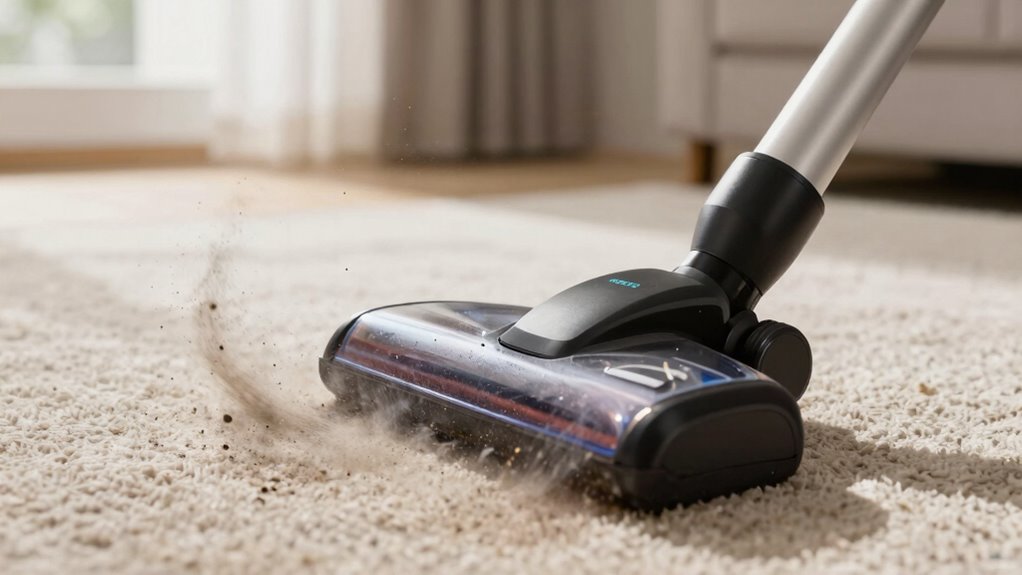
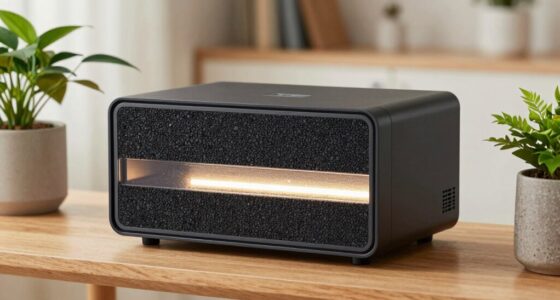
When you focus on containment, you’re actively blocking dust from spreading and settling in other parts of your home. This involves not just vacuuming but also sealing off sources of dust and using air purifiers to catch airborne particles. Containment strategies help limit dust accumulation on furniture, curtains, and other surfaces, which can otherwise become hotspots for allergens and irritants. Think of containment as a two-pronged approach: removing existing dust with a high-quality vacuum and preventing new dust from circulating. It’s about creating a barrier that keeps dust where you want it—either on a vacuum bag or in an air filter—rather than in the air you breathe. Incorporating effective air filtration systems like HEPA filters is essential for trapping tiny dust particles that standard filters might miss.
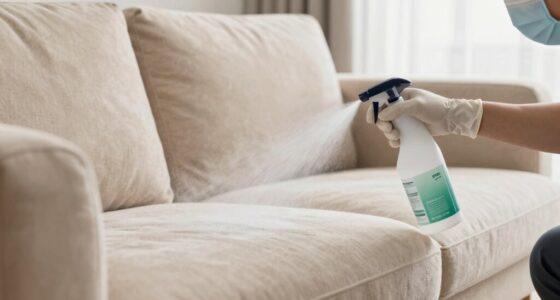
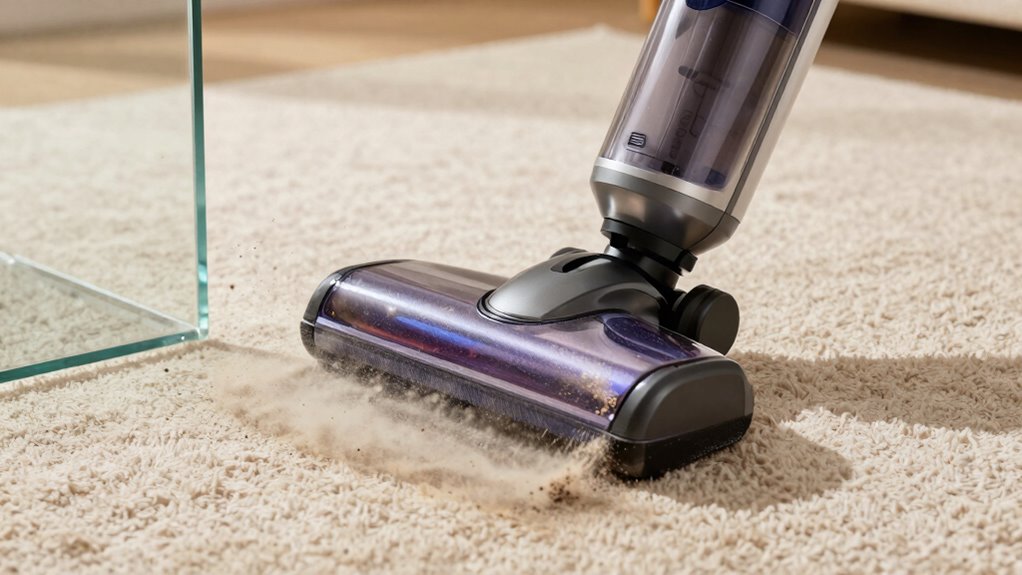
The key lies in the synergy between vacuuming and containment. Regular vacuuming with a device that has strong suction and effective filters reduces the amount of dust on surfaces. Meanwhile, good air filtration ensures the dust doesn’t get blown back into the environment. Proper containment techniques also help prevent dust from becoming airborne during cleaning, which is crucial for sensitive individuals. Understanding the importance of airborne dust and how it affects indoor air quality underscores why containment is vital. Additionally, maintaining a clean environment by regularly dusting and wiping surfaces complements containment efforts and prevents dust from settling. Employing dust barriers such as sealed storage and cover solutions can further reduce dust intrusion from outside sources. This combined effort significantly reduces dust accumulation over time, leading to a cleaner, healthier home. It’s also important to pay attention to high-traffic areas and places where dust tends to settle quickly, such as carpets and upholstery. Using tools like HEPA-filter vacuum attachments and air purifiers with activated carbon can help trap airborne particles more efficiently.
Ultimately, managing dust isn’t just about cleaning after dust has settled; it’s about creating an environment where dust never gets the chance to build up and affect your indoor air quality. When you implement both effective vacuuming and containment strategies, you’re actively reducing dust accumulation and improving the air you breathe daily. This holistic approach keeps your home fresher, healthier, and more comfortable for everyone.

Shark Upright Vacuum Cleaner | Navigator Lift-Away Deluxe | Pet Hair, Carpet & Hard Floor Cleaning | Upholstery & Crevice Tool | HEPA Filter | Swivel Steering | Large Dust Cup Capacity | Blue | NV360
- Powerful Suction: Effective on carpets and hard floors
- Lift-Away Functionality: Detachable pod for above-floor cleaning
- Pet Hair Removal: Specialized tools for pet hair cleanup
As an affiliate, we earn on qualifying purchases.
As an affiliate, we earn on qualifying purchases.
Frequently Asked Questions
How Often Should I Vacuum to Reduce Dust Effectively?
You should vacuum at least twice a week to reduce dust effectively, especially if you notice dust accumulation quickly. Regular vacuuming helps keep dust and allergens under control. Remember, vacuum maintenance is key—clean or replace filters regularly to guarantee peak performance. For high-traffic areas or allergy sufferers, consider vacuuming more often. Staying consistent prevents dust build-up, keeps your space cleaner, and improves indoor air quality.
What Types of Vacuums Are Best for Dust Containment?
You should choose vacuums with HEPA filters and bagless designs for maximum dust containment. HEPA filters trap tiny dust particles, preventing them from escaping back into the air, while bagless models make it easier to see and empty dust without releasing debris. These features guarantee you effectively contain dust, improving indoor air quality, especially if you have allergies or asthma. Choosing such vacuums makes your cleaning more efficient and healthier.
Does Vacuuming Dust Improve Indoor Air Quality?
Vacuuming dust can improve indoor air quality if you use a vacuum with effective air filtration, like HEPA filters. It helps reduce dust accumulation on surfaces and prevents it from becoming airborne, which can trigger allergies or asthma. Regular vacuuming keeps dust levels down, ensuring cleaner air inside your space. Just make sure to empty the vacuum frequently and maintain it properly for the best air quality benefits.
Can Vacuuming Spread Dust Particles if Not Done Properly?
Yes, if you don’t vacuum properly, you can spread dust particles into the air, affecting air circulation and risking dust recontamination. Using a vacuum with a HEPA filter and sealing the bag or container helps contain dust and prevents it from becoming airborne. Moving slowly and vacuuming in multiple directions minimizes dust dispersion. Proper technique guarantees you remove dust effectively without spreading it around your home.
Are There Eco-Friendly Vacuuming Options for Dust Removal?
Yes, eco-friendly vacuuming options exist for dust removal. You can choose cordless vacuums that reduce energy consumption and feature biodegradable filters made from sustainable materials, which break down naturally and lessen environmental impact. These cordless models offer convenience and mobility, making your cleaning routine more eco-conscious. By selecting vacuums with biodegradable filters, you help reduce waste and support sustainable practices while effectively removing dust from your home.
Conclusion
So, the next time you vacuum, remember—you’re not just cleaning dust; you’re battling an unstoppable, sneaky army of microscopic invaders trying to take over your home! Containing dust isn’t just about tidiness; it’s your secret weapon against an invasion of sneaky allergens and dirt that threaten your health. Vacuuming dust is like sweeping crumbs, but containing it? That’s like sending the dust into a fortress forever locked away. Stay vigilant—your home’s health depends on it!