

If you notice ammonia breath, dehydration is often the cause if it comes with signs like dry mouth or dehydration after activity or hot weather. Staying hydrated usually resolves the odor quickly. However, if the smell persists despite drinking fluids or you experience symptoms like swelling, weakness, or confusion, it might indicate kidney problems, which need medical attention. Keep exploring to better understand how to distinguish these causes and act accordingly.
Key Takeaways
- Dehydration causes temporary ammonia breath that improves with increased water intake, while kidney issues lead to persistent odor.
- Kidney problems impair ammonia filtration, causing ongoing breath odor despite rehydration efforts.
- Additional symptoms like swelling, abnormal urination, confusion, or fatigue suggest kidney dysfunction needing medical attention.
- Quick relief of ammonia breath with hydration indicates dehydration; persistent odor signals possible kidney issues.
- Seek medical care if ammonia odor persists despite hydration or if accompanied by serious symptoms.
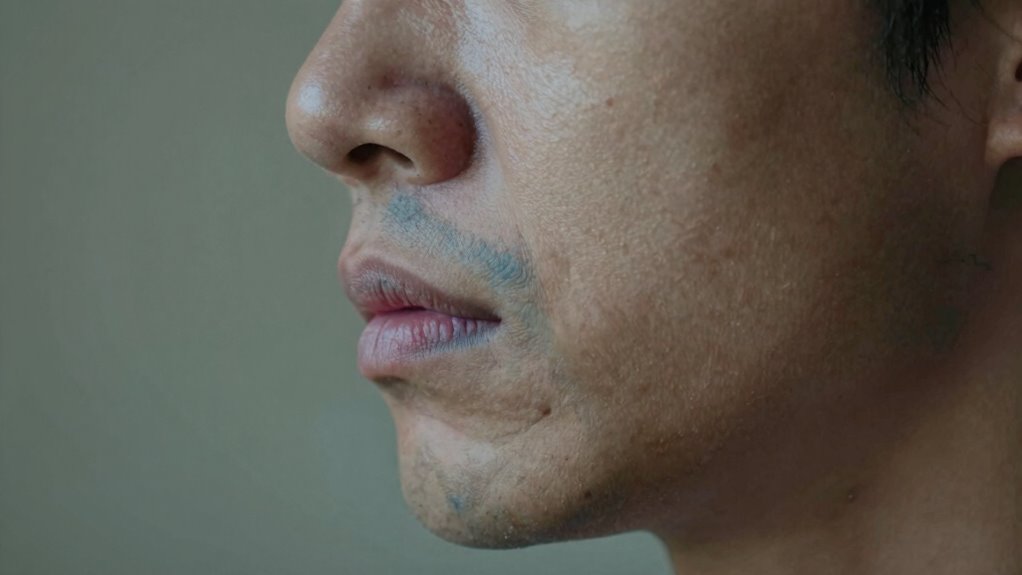
Have you ever noticed a strong, pungent smell on your breath that resembles ammonia? If so, you’re not alone. This distinct odor can be alarming, and it often signals underlying health issues that need your attention. One common cause behind this smell is the body’s attempt at ammonia detoxification. When your body accumulates excess ammonia—a waste product generated when your body breaks down proteins—it needs to eliminate it efficiently. Usually, your kidneys handle this task by filtering ammonia out of your bloodstream and excreting it through urine. But if your kidneys aren’t functioning properly, ammonia can build up in your system, leading to that unmistakable ammonia breath odor.
Understanding breath odor causes is key to figuring out whether you should seek medical help. Sometimes, dehydration can cause a similar ammonia smell. When you’re dehydrated, your body produces less saliva, which normally helps wash away odor-causing bacteria and waste products in your mouth. This dryness creates an environment where ammonia and other toxins can more easily accumulate and cause that foul smell. If dehydration is the culprit, the remedy is simple: hydrate more by drinking water throughout the day, especially if you notice the smell after exercise or in hot weather.
Dehydration can cause ammonia breath; hydrate well, especially after exercise or hot weather.
However, it’s essential to distinguish between dehydration and kidney issues. While dehydration is often temporary and easily reversible with fluids, kidney problems are more serious. If your kidneys aren’t functioning well, ammonia detoxification becomes impaired, causing ammonia to build up in your blood—a condition called hyperammonemia. This can lead to symptoms like confusion, fatigue, nausea, and that persistent ammonia breath odor. In such cases, addressing the root cause requires medical intervention. Your healthcare provider might perform blood tests to assess kidney function and determine if your kidneys are filtering waste properly.
If you notice that the ammonia smell persists despite proper hydration, or if you experience additional symptoms like swelling, abnormal urination, or weakness, don’t wait to get checked out. Chronic kidney issues don’t resolve on their own and can cause serious complications if left untreated. In contrast, dehydration-related breath odor usually improves quickly once you rehydrate. Being aware of these differences helps you decide when to seek medical care. Additionally, understanding the role of kidney function can help you recognize when symptoms might be related to larger health concerns needing prompt attention.

WILDREEDS 500ml Soft Flask, TPU Collapsible Soft Water Bottle for Hydration Pack, Running Vest, Folding Water Bottle for Hiking Cycling Climbing-1Pcs, White
- Capacity: 500ml soft flask
- Material: Food-grade TPU, BPA free
- Temperature Range: 0-60°C
As an affiliate, we earn on qualifying purchases.
As an affiliate, we earn on qualifying purchases.
Frequently Asked Questions
Can Ammonia Breath Be Caused by Dietary Choices?
Yes, ammonia breath can be caused by dietary choices. Your diet impact, especially high-protein foods, can lead to increased ammonia levels in your body. Food triggers like processed meats or certain supplements may also contribute. When you consume these, your body produces more ammonia during digestion. If your kidneys can’t eliminate it efficiently, ammonia breath may develop. Monitoring your diet and consulting a healthcare provider helps prevent this issue.
How Quickly Does Ammonia Breath Indicate a Medical Emergency?
If you notice ammonia breath, it’s a medical emergency requiring an urgent response. You should seek medical help immediately, as it can signal severe kidney problems or other vital health issues. Don’t delay, because timely treatment can be essential. Call emergency services or go to the nearest hospital right away. Quick action ensures you get the care needed to address the underlying cause and prevent serious complications.
Are There Home Remedies to Reduce Ammonia Smell?
You can try home remedies to reduce ammonia odor, but they might not fully eliminate the smell if the underlying issue persists. Drinking plenty of water helps flush out toxins, while consuming lemon juice or apple cider vinegar can temporarily mask the ammonia odor. Eating more alkaline foods like vegetables may also help. However, if the ammonia smell worsens or persists, you should see a healthcare professional promptly to address the root cause.
Does Ammonia Breath Always Mean Kidney Failure?
No, ammonia breath doesn’t always mean kidney failure. It results from disruptions in biochemical processes, often caused by liver issues, dehydration, or other health problems. While kidney failure can lead to elevated ammonia levels, medical diagnoses are essential to determine the exact cause. If you notice ammonia smell in your breath, it’s important to consult a healthcare professional promptly to identify the underlying issue and receive appropriate treatment.
Can Dehydration Alone Cause Ammonia Odor in Breath?
Yes, dehydration alone can cause ammonia odor in your breath. When you’re dehydrated, your body’s hydration effects diminish, leading to concentrated waste products like urea. This buildup can produce a distinct ammonia smell in your breath. Staying well-hydrated helps dilute these waste products, reducing breath odor. If you notice persistent ammonia smell despite proper hydration, it’s a sign to seek medical advice, as other health issues might be involved.
Conclusion
In dealing with ammonia breath, don’t delay in discerning dehydration from kidney complications. Stay vigilant, seek swift support, and stay informed. Recognizing the subtle signs and symptoms can save you from serious setbacks. Remember, timely treatment transforms tension into relief, turning troubling troubles into tranquil triumphs. Take action, stay aware, and always address ammonia’s alarm before it advances beyond your control. Your health hinges on your promptness—act swiftly, and safeguard your well-being wisely.