GFCIs prevent electric shocks by detecting current leaks to the ground, which is especially important in wet areas like kitchens and bathrooms. AFCIs, on the other hand, prevent electrical fires by sensing dangerous arcing from damaged wires or loose connections. Both devices play crucial roles in protecting your home from different hazards. By understanding how each works, you can guarantee your family’s safety—keep exploring to learn more about implementing these essential protections.
Key Takeaways
- GFCIs prevent electric shock by detecting current imbalance and trip instantly during leakage, especially in moisture-prone areas.
- AFCIs protect against electrical fires by sensing arcing and disconnecting power to prevent fire hazards.
- GFCIs address shock hazards, while AFCIs target fire risks from wiring faults and arcing.
- Homes benefit from both devices to provide comprehensive safety against shocks and fires in different areas.
- Proper installation and maintenance of GFCIs and AFCIs ensure maximum protection and long-term electrical safety.
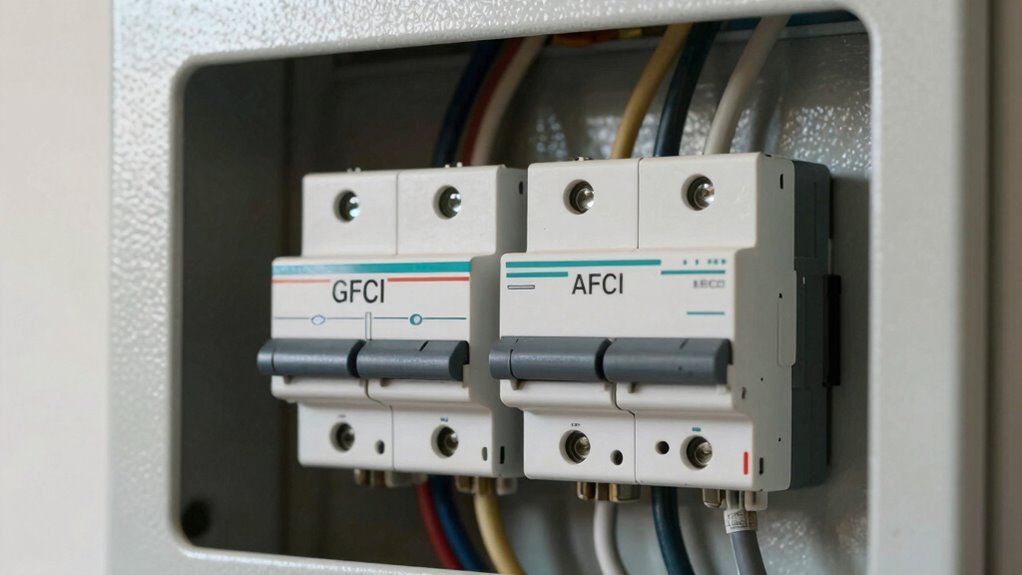
When it comes to electrical safety in your home, understanding the difference between GFCIs and AFCIs is essential. Both are designed to enhance circuit protection, but they serve different purposes and protect against different hazards. Knowing which one to use and where can make a significant difference in preventing electrical accidents and fires. GFCIs, or Ground Fault Circuit Interrupters, are primarily focused on preventing electric shock. They detect any imbalance of current between the hot and neutral wires, which could indicate a leakage of current to the ground—perhaps through a person or faulty appliance. When this happens, the GFCI trips almost instantly, cutting off power and reducing the risk of severe electric shock or electrocution. This makes GFCIs especially important in areas prone to moisture, like bathrooms, kitchens, and outdoor outlets, where the risk of electrical shock is higher. Their role in circuit protection is crucial because they act quickly to interrupt dangerous currents before harm occurs, safeguarding both people and property.
On the other hand, AFCIs, or Arc Fault Circuit Interrupters, focus on preventing fires caused by electrical arcing. Arc faults happen when a loose connection, damaged wire, or degraded insulation causes an unintended electrical discharge. These discharges can generate high temperatures and sparks, which may ignite nearby combustibles, leading to fires. AFCIs continuously monitor the circuit for signs of arcing and trip the breaker when an arc is detected. This proactive approach provides an essential layer of electrical safety by stopping potential fire hazards before they can develop into dangerous situations. AFCIs are commonly installed in bedrooms, living rooms, and other living spaces where wiring faults might go unnoticed. Their presence considerably reduces the risk of electrical fires, offering peace of mind and enhancing overall safety in your home. Incorporating both devices into your electrical system can significantly improve overall safety by addressing multiple hazards.
While GFCIs and AFCIs serve different functions—shock prevention versus fire prevention—they work best when used together. Many modern electrical panels now include both types of devices or have combination units to maximize circuit protection. This extensive approach ensures you’re shielded from both electrical shock hazards and fire risks. Recognizing where each device is necessary and maintaining them properly is key to creating a safer home environment. By understanding their roles and installing them correctly, you’re actively improving your electrical safety and reducing the likelihood of accidents. Both GFCIs and AFCIs are essential tools that, when used appropriately, provide a robust defense against common electrical dangers in your home. Proper installation and maintenance of these devices are crucial for ensuring their effectiveness and longevity in safeguarding your household.
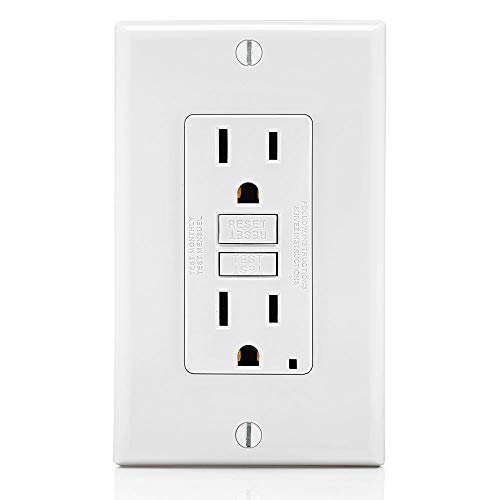
Leviton GFCI Outlet, 15 Amp, Self Test, Non Tamper-Resistant with LED Indicator Light, Protection from Electric Shock and Electrocution, GFNT1-W, White
- Enhanced immunity for reduced nuisance tripping: Reduces high-frequency false trips
- Continuous electric shock protection: Interrupts power during ground faults
- Code-compliant for water-adjacent areas: Suitable for kitchens, bathrooms, and more
As an affiliate, we earn on qualifying purchases.
As an affiliate, we earn on qualifying purchases.
Frequently Asked Questions
Can GFCI and AFCI Outlets Be Installed Together in the Same Circuit?
Yes, you can install GFCI and AFCI outlets together on the same circuit, but you need to ensure circuit compatibility and installation considerations. Make sure your breaker and wiring support both types of outlets, and follow electrical codes. Usually, AFCI breakers protect the entire circuit, while GFCIs are installed at outlets. Consulting an electrician ensures proper installation and safety, preventing potential issues.
Do GFCI and AFCI Breakers Require Special Wiring or Setup?
GFCI and AFCI breakers don’t require special wiring or complex setup, but wiring complexity can vary. You should follow installation procedures carefully, ensuring correct connections to avoid issues. Typically, GFCI breakers need to be wired with the hot and neutral wires, while AFCI breakers monitor the entire circuit. For safe and proper installation, always consult the manufacturer’s instructions or hire a qualified electrician to handle the wiring and setup.
Are GFCI and AFCI Protections Necessary in All Room Types?
You need GFCI and AFCI protections in specific room types to meet code requirements and guarantee safety. GFCIs are essential in areas with water, like kitchens and bathrooms, preventing electrical shocks. AFCIs protect against fires from faulty wiring, so they’re required in bedrooms and living spaces. Installing these devices in the appropriate rooms not only complies with code but also markedly reduces electrical hazards in your home.
How Often Should GFCI and AFCI Devices Be Tested and Maintained?
You should test your GFCI and AFCI devices monthly to ensure safety. Regular testing is vital, as these devices protect against shocks and fires. Maintenance tips include pressing the test button and confirming the reset button works. This simple routine helps catch potential issues early, giving you peace of mind. Don’t forget—consistent testing frequency and proper maintenance keep your home safe from electrical hazards.
Can GFCI or AFCI Devices Malfunction and Cause Power Issues?
Yes, GFCI and AFCI devices can malfunction and cause power issues. Sometimes, their device sensitivity triggers false trips, shutting off power even when there’s no real problem. This can be frustrating, but regular testing and maintenance help guarantee they work correctly. If you experience frequent false trips, consider having an electrician check for wiring issues or device faults to prevent unnecessary power disruptions.
Conclusion
Think of GFCIs and AFCIs as your home’s safety partners—each preventing different hazards. Some believe that installing one means you don’t need the other, but that’s not true. Both are essential, working together to protect you from electric shocks and fires. Trust me, having both installed isn’t just extra caution; it’s a smart move to keep your home and loved ones safe. Don’t overlook their combined power—peace of mind is worth it.