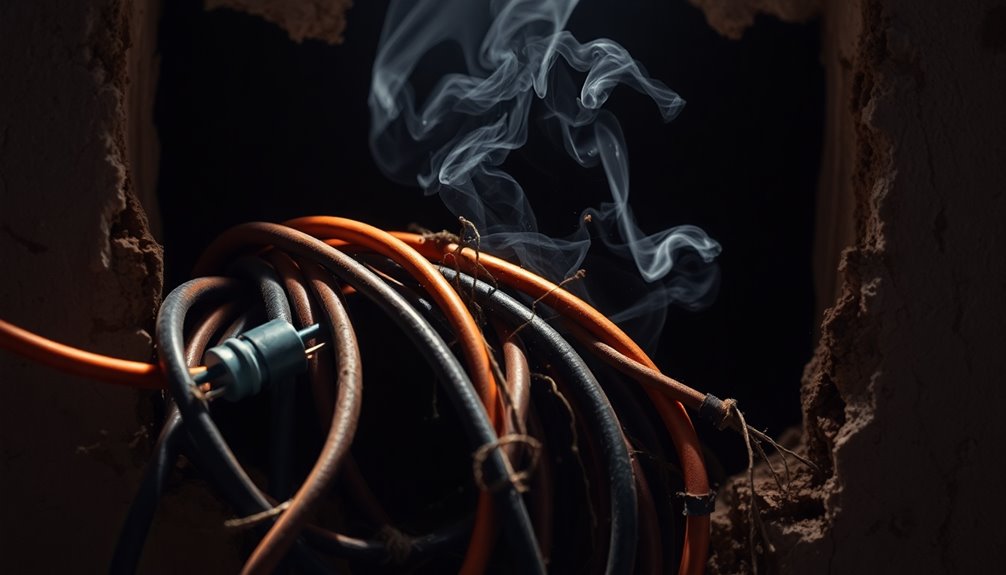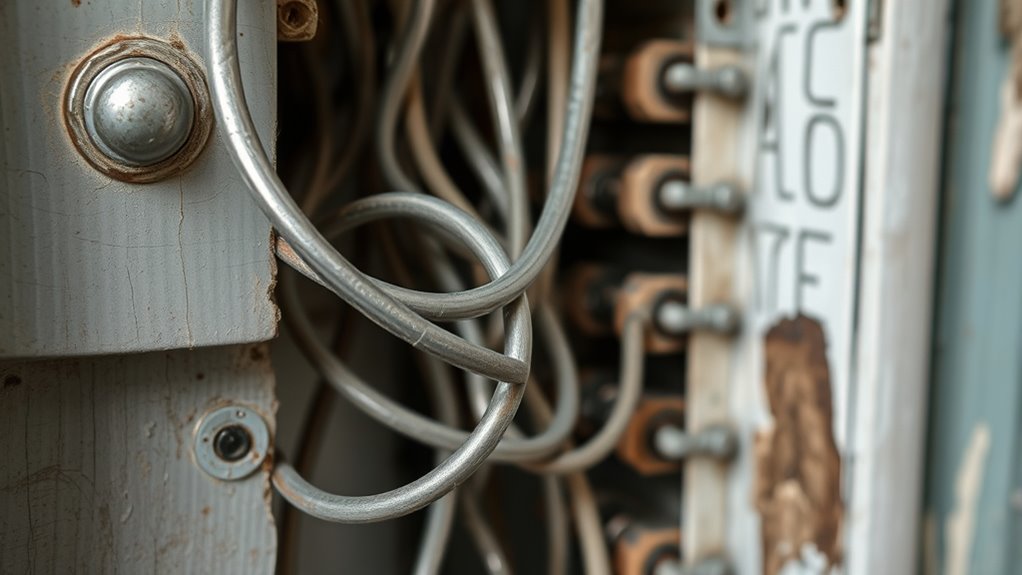

If your older home’s wiring is aluminum, it can pose serious safety risks like corrosion, loose connections, and potential electrical fires. Over time, oxidation can lead to arcing and shocks, especially if signs like discoloration or buzzing appear. Thankfully, there are mitigation options, such as specialized connectors, antioxidants, or safety devices like breakers rated for aluminum wiring. Want to understand how to best protect your home and family? Keep exploring for essential safety tips.
Key Takeaways
- Aluminum wiring is prone to oxidation and corrosion, increasing fire and shock hazards in older homes.
- Signs of deterioration include discoloration, buzzing sounds, melting marks, and frequent circuit breaker trips.
- Mitigation methods include installing special connectors, antioxidant coatings, and safety devices rated for aluminum wiring.
- Regular safety inspections by qualified electricians can identify early issues and guide appropriate repairs.
- Preventive measures and proper repairs significantly reduce the risk of electrical fires and ensure home safety.
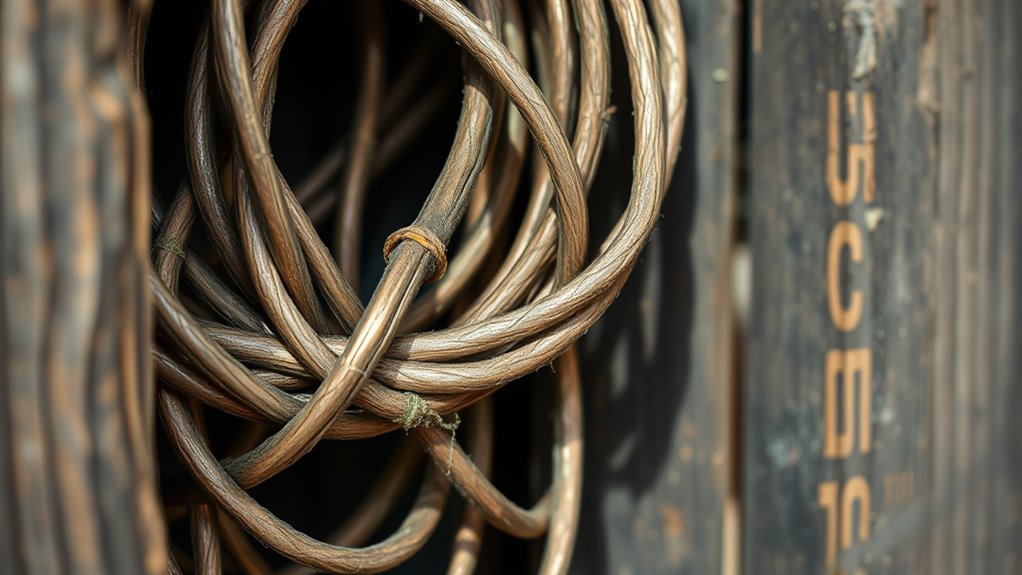
Have you ever wondered whether the wiring in your older home might pose a safety risk? If your house was built decades ago, there’s a good chance it has aluminum wiring instead of the modern copper variety. While aluminum wiring was common in the 1960s and ’70s due to its affordability and lightweight properties, it has some inherent risks that can’t be ignored. Over time, aluminum wiring is prone to oxidation and corrosion, which can cause loose connections and increase the chance of electrical arcing. This, in turn, raises the risk of electrical fires and shocks. Recognizing these dangers is the first step toward ensuring your home’s safety.
Older homes with aluminum wiring face increased fire and shock risks due to oxidation and corrosion.
When it comes to addressing aluminum wiring issues, many homeowners worry about expensive and invasive repairs. However, there are alternative repair methods that can improve safety without tearing apart walls or replacing all the wiring. One such method involves installing special connectors or devices designed to prevent oxidation and reduce the risk of loose connections. Another approach is applying a coating or antioxidant compound to the aluminum wires to inhibit corrosion. These options are less disruptive and often more cost-effective, but they should be performed by a qualified electrician familiar with the specifics of aluminum wiring systems.
Of course, before any repairs or modifications, a thorough safety inspection procedure is essential. A professional electrician will carefully assess the wiring condition, testing for signs of deterioration, loose connections, or overheating. During this inspection, they’ll check outlets, switches, and junction boxes, looking for discoloration, buzzing sounds, or melting marks—clear indicators of trouble. They may also use specialized tools to measure resistance and detect potential faults. Following this, they’ll recommend appropriate measures, whether that’s upgrading the wiring, implementing alternative repair methods, or installing additional safety devices like circuit breakers rated for aluminum wiring.
Additionally, understanding the nature of aluminum wiring and its properties can help homeowners make informed decisions about safety and repairs. Ultimately, dealing with aluminum wiring isn’t just about patching problems as they appear. It’s about proactive safety measures to prevent hazards from developing. If your home contains aluminum wiring, don’t ignore it or assume it’s safe because it’s still functional. Regular safety inspection procedures are key to catching potential issues early. Remember, there are alternative repair methods that can mitigate risks and keep your home safe without major rewiring projects. Consulting with a knowledgeable electrician is the best way to determine the right course of action and protect your loved ones from preventable electrical hazards.

nVent KING INNOVATION 95110 AlumiConn 3-Port AL/CU Wire Connector
- Safety Certified: CPSC and UL approved
- Cost-Effective Repair: Ideal for aluminum wiring repairs
- Three-Port Design: Keeps conductors separate for safety
As an affiliate, we earn on qualifying purchases.
As an affiliate, we earn on qualifying purchases.
Frequently Asked Questions
How Can I Identify if My Home Has Aluminum Wiring?
If you want to identify aluminum wiring, start by turning off your power and inspecting visible outlets and switches. Look for wiring that’s silver-colored and marked with labels like “AL” or “ALuminum.” Historically, building codes didn’t always specify wiring colors, but aluminum wiring often differs from copper. Checking your electrical panel or consulting a licensed electrician can give you definitive answers and guarantee your home’s safety.
Are There Specific Safety Standards for Aluminum Wiring?
Think of aluminum wiring regulations as a map guiding us through safe electrical territory. Yes, there are specific safety standards for aluminum wiring, set by organizations like the NEC and ASTM. These standards guarantee proper installation, corrosion resistance, and secure connections. Following these safety standards helps prevent potential hazards like overheating and fires. Always consult a licensed electrician to verify your wiring complies with current aluminum wiring regulations for your peace of mind.
What Are the Signs of Faulty Aluminum Wiring?
I’ve seen faulty aluminum wiring when I notice flickering lights, warm outlets, or a persistent burning smell. These signs indicate potential fire hazards caused by electrical arcing and loose connections. If you spot any of these issues, it’s vital to get a professional inspection. Faulty aluminum wiring greatly increases the risk of electrical fires, so addressing these signs promptly can help keep your home safe.
Can Aluminum Wiring Be Safely Rewired or Repaired?
Think of aluminum wiring as an old, stubborn vine needing careful pruning. Rewiring options and repair techniques can make it safe again, but you must trust a professional. They’ll likely use specialized connectors and anti-oxidant compounds to prevent corrosion. While repairs can be effective, sometimes rewiring entirely is the best route. I recommend consulting an electrician to evaluate your specific wiring and choose the safest, most reliable solution.
How Much Does It Cost to Upgrade Aluminum Wiring?
Upgrading aluminum wiring typically costs between $3,000 and $8,000, depending on the home’s size and the complexity of the project. I recommend comparing costs and upgrade options, such as full rewiring or using copper connectors with aluminum wiring. While the initial expense might seem high, investing in proper upgrades guarantees safety and can prevent costly electrical issues later. Always get detailed estimates from licensed electricians to find the best solution.
Conclusion
If your older home has aluminum wiring, don’t ignore the risks—it’s like playing with fire in a powder keg. The good news is, with proper inspection and mitigation, you can keep your home safe and secure. Think of it as giving your house a much-needed immune boost against potential electrical disasters. Trust me, safeguarding your home today means peace of mind tomorrow—because you deserve a safe haven, not a ticking time bomb.