
To prepare for a lactose breath test, I avoid dairy, high-fiber foods, and certain medications for a few days, fast for about 12 hours, and don’t eat or drink (except water) on the test day. During the procedure, I breathe into a collection device to establish a baseline, then consume a lactose solution while the technician monitors hydrogen levels for two hours, with samples taken regularly. A significant hydrogen increase suggests lactose intolerance, so continuing to explore can help you understand your results better.
Key Takeaways
- Proper preparation includes fasting, avoiding dairy, high-fiber foods, and smoking for several days before the test.
- The procedure involves baseline breath sampling, consuming a lactose solution, then regular breath tests over two hours.
- Hydrogen breath levels are monitored; a significant rise indicates lactose malabsorption and potential intolerance.
- Results show whether hydrogen levels increase or stay stable, helping identify lactose intolerance or proper digestion.
- Understanding test outcomes guides dietary changes, such as reducing dairy or using lactase supplements, to manage symptoms effectively.
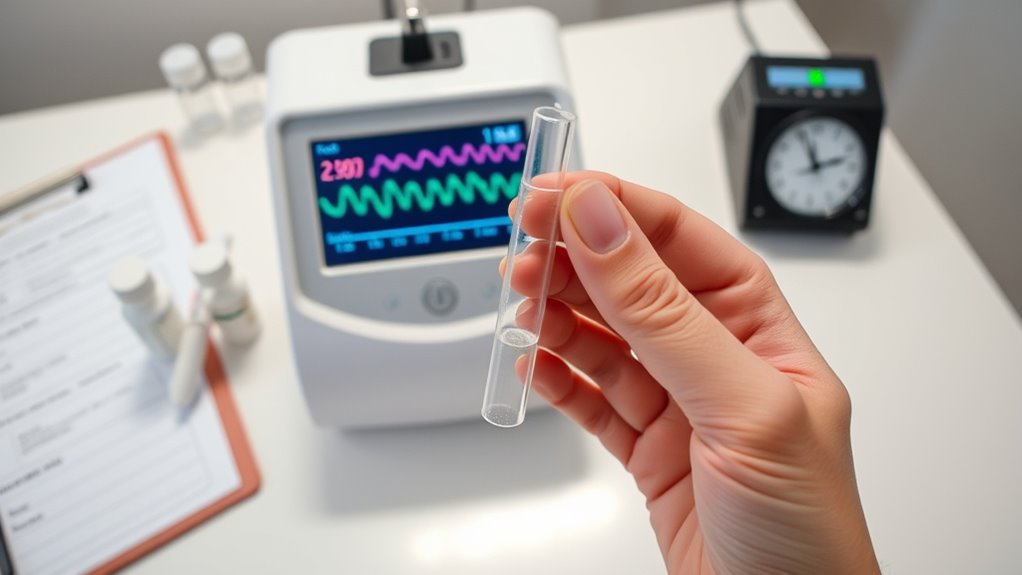
A lactose breath test is a simple, non-invasive way to determine if your body has trouble digesting lactose, the sugar found in milk and dairy products. When I first learned about this test, I was relieved it didn’t involve any needles or uncomfortable procedures. Instead, it measures the amount of hydrogen in your breath after consuming a lactose-rich beverage. If your body can’t properly digest lactose, undigested sugars ferment in your gut, producing excess hydrogen that shows up in your breath. This test can provide clear answers, helping you understand the root cause of your digestive issues.
A lactose breath test is a simple, non-invasive way to diagnose lactose intolerance without needles or discomfort.
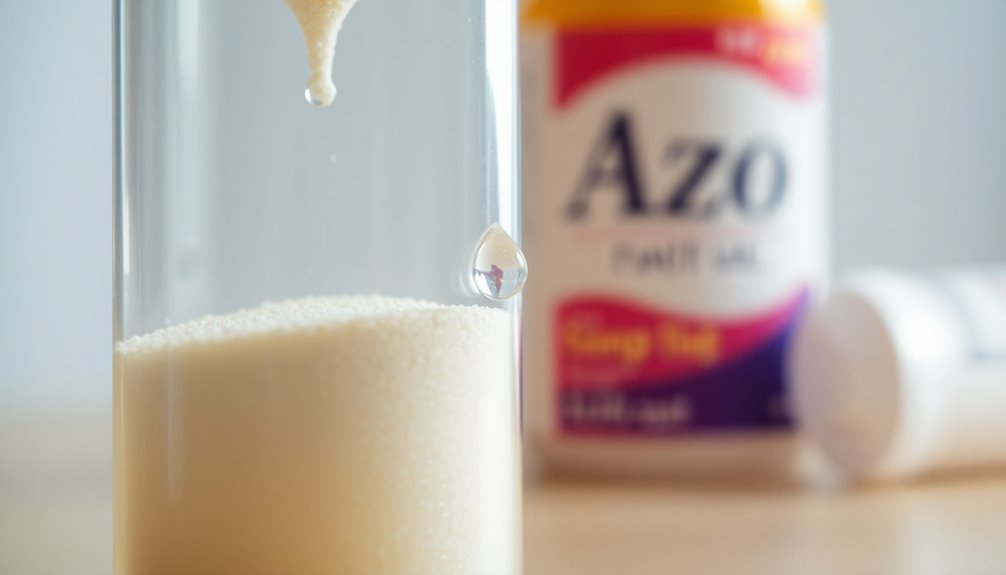
Preparing for the test is straightforward but important. I was advised to avoid dairy products, high-fiber foods, and certain medications for a few days beforehand. This helps ensure the results are accurate, since residual dairy or fiber could interfere with the hydrogen levels. On the day of the test, I didn’t eat or drink anything, except for water, for about 12 hours prior. That meant skipping breakfast and any snacks. I also avoided smoking, as it can affect breath samples. Following these steps helped me feel more confident that the results would give an accurate picture of my lactose tolerance.
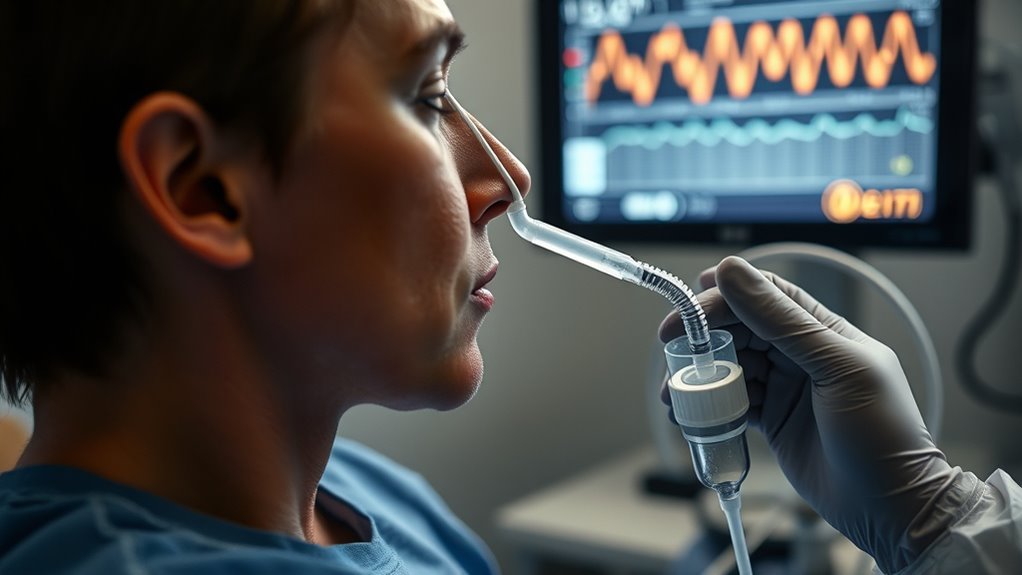
The procedure itself is simple. When I arrived at the testing center, I was asked to breathe into a collection device to establish a baseline hydrogen level. Then, I drank a lactose solution—usually a sugary liquid with a specific amount of lactose. Over the next two hours, I had to breathe into a small collection device at regular intervals, typically every 15 to 30 minutes. The technician monitored the hydrogen levels during this time. If there’s a rise in hydrogen—usually a significant increase within the 2-hour window—it indicates that my intestines aren’t fully digesting lactose, and the undigested sugar is fermenting in my gut.
The pattern of the results can vary, but generally, a marked increase in hydrogen suggests lactose intolerance. If hydrogen levels remain stable or only slightly increase, it indicates good lactose digestion. Knowing this, I could focus on symptom management and make dietary adjustments. For example, reducing or eliminating dairy, trying lactose-free products, or using lactase supplements can help alleviate symptoms like bloating, gas, and diarrhea. Understanding my results empowered me to take control of my digestive health, tailoring my diet to reduce discomfort and improve my quality of life.
Frequently Asked Questions
Can the Lactose Breath Test Detect Other Carbohydrate Intolerances?
Yes, the lactose breath test can sometimes detect other carbohydrate intolerances, but it’s not always precise. I recommend exploring alternative carbohydrate tests like the glucose or hydrogen breath tests for better accuracy. Keep in mind, cross reactivity concerns may affect results, so it is crucial to discuss these options with your doctor to determine the best approach for diagnosing your symptoms effectively.
How Long Does It Typically Take to Get Test Results?
Getting your lactose breath test results is like waiting for a seed to sprout—you want to know soon! Typically, the test result turnaround takes about 24 to 48 hours, depending on the lab. The time frame expectations may vary, but I’ve found most clinics provide results within two days. It’s a quick wait for valuable insights into your digestive health, so try to stay patient during this period.
Are There Any Risks or Side Effects Associated With the Test?
I understand you’re concerned about test safety and side effects. Generally, the lactose breath test is safe, but some people might experience mild side effects like bloating, gas, or nausea. I recommend discussing any concerns with your healthcare provider beforehand. They can help you manage potential side effects and make sure the test is as comfortable as possible. Remember, it’s a common, non-invasive procedure with minimal risks.
Is Fasting Necessary Before the Lactose Breath Test?
Yes, fasting is important before the lactose breath test. I always follow the preparation guidelines closely because it helps guarantee accurate results. Usually, I avoid eating or drinking anything except water for about 8-12 hours prior. Test fasting importance can’t be overstated, as food or drinks can skew the results. Following these prep steps makes the test more reliable and helps my healthcare provider get the best possible information.
Can Medications Interfere With Test Accuracy?
Like a detective missing clues, medication interactions can interfere with the accuracy of your lactose breath test. Certain drugs, especially antibiotics, antacids, or probiotics, may alter gut bacteria or gas production, leading to false results. I always recommend discussing all medications with your healthcare provider beforehand. Stopping or adjusting medications as advised guarantees drug interference doesn’t cloud the test’s true insight into your lactose digestion.
Conclusion
Think of the lactose breath test as a map guiding us through hidden caves in our gut. Just like explorers need proper gear and a clear plan, I prepare carefully and follow the steps to uncover what’s causing my discomfort. When I see the results, it’s like finding a hidden treasure—clues to better health. With this knowledge, I can navigate my digestive journey more confidently, turning mystery into clarity and discomfort into understanding.