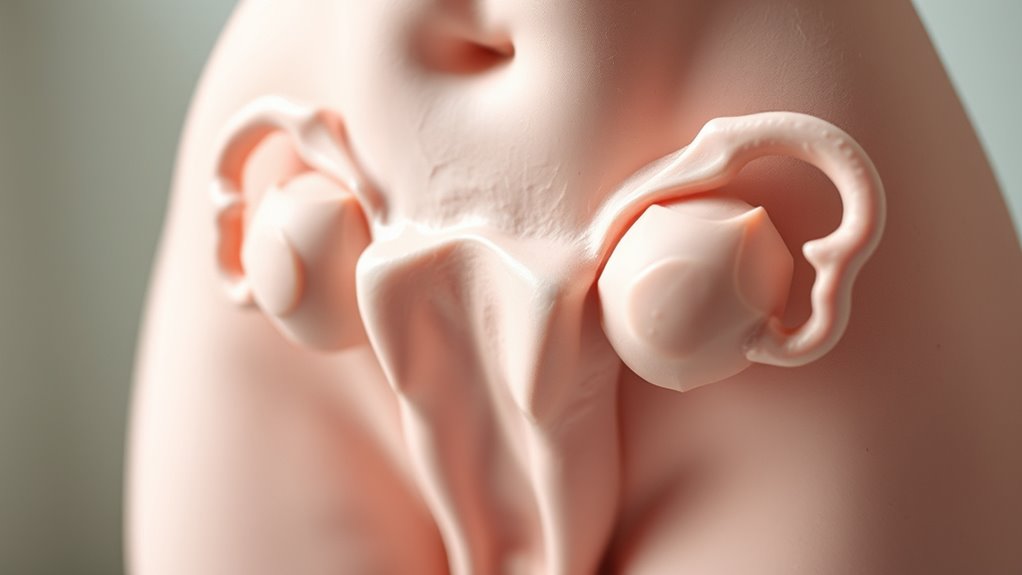

Endometriosis is a chronic condition where tissue similar to your uterine lining grows outside your uterus, causing symptoms like intense, persistent pain during periods, sex, and bowel movements. It often gets misdiagnosed because symptoms can overlap with other issues, making it tricky to identify. Early diagnosis and personalized treatment are key to managing pain and improving quality of life. If you’re curious, you’ll find more important details ahead.
Key Takeaways
- Endometriosis involves tissue similar to uterine lining growing outside the uterus, causing pain and fertility issues.
- Symptoms include severe menstrual cramps, pain during sex, lower back ache, and bowel discomfort.
- Symptoms often overlap with other conditions, leading to frequent misdiagnosis or delayed diagnosis.
- Diagnosis requires medical exams, imaging tests, and often laparoscopy for confirmation.
- Early detection and personalized treatment improve symptom management and quality of life.
Have you ever wondered what endometriosis really is? It’s a condition where tissue similar to the lining inside your uterus starts growing outside of it, causing pain, inflammation, and often, fertility issues. Many women suffer silently because its symptoms can be vague or mistaken for other problems, leading to frequent misdiagnosis. Understanding the basics can help you recognize when to seek medical advice and what treatment options might be available.
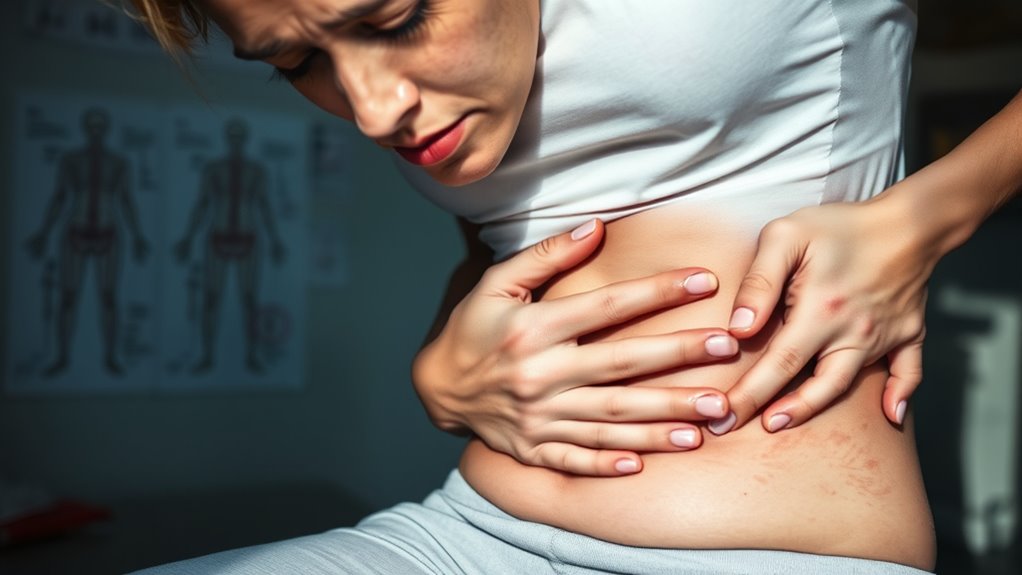
The pain associated with endometriosis is often intense and persistent. It can show up as cramping during periods, pain during or after sex, lower back ache, or even pain with bowel movements. Because these symptoms overlap with other conditions, doctors sometimes overlook endometriosis initially. That’s why awareness is key—if you’ve experienced these symptoms for a long time, especially if they worsen over time, it’s worth pushing for a thorough investigation.
Diagnosing endometriosis isn’t straightforward. It often requires a combination of medical history, physical exams, imaging tests like ultrasounds, and, most definitively, a minimally invasive procedure called laparoscopy. During laparoscopy, a surgeon views the pelvic cavity directly and can confirm the presence of endometrial-like tissue outside the uterus. Once diagnosed, the goal becomes managing symptoms and preventing progression.
Treatment options vary depending on severity and personal circumstances. Hormonal treatment is a common approach; it works by suppressing ovulation and menstrual cycles, which can reduce or sometimes eliminate pain. Hormonal therapies include birth control pills, GnRH agonists, or progestins—all aimed at controlling the hormonal fluctuations that fuel endometrial tissue growth. These treatments are often effective but may come with side effects like mood changes or bone density loss, so they need to be monitored carefully.
Surgical options also play an essential role, especially when pain is severe or other treatments haven’t worked. Surgery can remove or destroy endometrial tissue, relieve adhesions, and improve fertility prospects. In some cases, a hysterectomy may be considered, but that’s usually a last resort and depends on individual circumstances and desires.
Understanding the importance of early diagnosis can significantly impact treatment effectiveness and quality of life. Navigating endometriosis can feel overwhelming, but knowing your options helps you feel more in control. Whether it’s hormonal therapy to manage symptoms or surgical interventions to address underlying tissue growth, there’s a range of strategies tailored to your needs. The key is early diagnosis and a personalized treatment plan, so don’t hesitate to seek medical advice if you suspect you’re affected.

Boiron Cyclease Cramps Tablets for Relief from Menstrual Cramps, Aches, Pain, and Discomfort – 60 Count
MULTI-SYMPTOM PERIOD RELIEF OF MENSTRUAL CRAMPS, ACHES, PAINS & DISCOMFORT: Cyclease Cramps offers multi-symptom relief for period-related menstrual…
As an affiliate, we earn on qualifying purchases.
As an affiliate, we earn on qualifying purchases.
Frequently Asked Questions
Can Endometriosis Affect Men or Children?
Endometriosis primarily affects women, but rare cases of endometriosis in men have been reported, usually linked to hormone therapy or conditions influencing estrogen levels. Endometriosis in children is also possible, although it’s uncommon, often diagnosed in adolescents with early symptoms. I find it fascinating that, despite being primarily a female condition, endometriosis can occasionally impact men and children, highlighting the complexity of this disease.
Are There Any Natural Remedies for Endometriosis Pain?
Dealing with endometriosis pain can feel like battling a relentless storm, but natural remedies can help. I recommend exploring herbal therapies like turmeric and ginger, which have powerful anti-inflammatory properties. Additionally, making dietary changes—reducing processed foods and increasing omega-3s—can ease symptoms. These approaches won’t cure the condition, but they often provide significant relief, empowering you to manage pain more naturally and regain control over your life.
How Does Endometriosis Impact Fertility Long-Term?
Endometriosis can markedly impact long-term fertility by causing scar tissue and adhesions that block fallopian tubes or damage ovaries. I always recommend fertility preservation and reproductive planning early if you’re diagnosed, as these steps can help safeguard your options. Managing symptoms and working closely with a specialist can improve chances of conception, but it’s essential to stay proactive about your reproductive health.
What Are the Latest Advancements in Endometriosis Treatment?
Think of endometriosis treatments like upgrading a car’s engine. Recent advancements include surgical innovations that target and remove lesions more precisely, reducing pain and improving quality of life. Hormonal therapies have also evolved, offering personalized options that balance symptom relief with fewer side effects. I’ve seen many women find relief with these new approaches, and I believe ongoing research promises even better, more effective treatments in the near future.
Is Endometriosis Linked to Other Autoimmune Diseases?
Yes, I’ve read that endometriosis is linked to other autoimmune diseases. The autoimmune correlation suggests that endometriosis might involve immune system dysfunction, which could explain its disease association with conditions like rheumatoid arthritis or lupus. While research is ongoing, understanding this connection helps in managing symptoms and exploring targeted treatments. If you’re experiencing symptoms, it’s important to discuss this potential autoimmune correlation with your healthcare provider.

Balance Matters: Rethinking Estrogen, Reclaiming Progesterone, Restoring Hormonal Stability
As an affiliate, we earn on qualifying purchases.
As an affiliate, we earn on qualifying purchases.
Conclusion
If you’re experiencing symptoms like painful periods or chronic pelvic pain, know you’re not alone. I once met a woman who suffered for years before her endometriosis was correctly diagnosed—her pain was dismissed as normal. Don’t ignore your body’s signals. Seek answers and support. Early diagnosis can make a huge difference in managing symptoms and improving your quality of life. Remember, your health deserves attention and care.

Oiyekntd Laparoscopic Suture Practice Kit, Trainer Box Simulator Laparoscopy Trainer Box, Laparoscopic Simulator Trainer Kit with 0°/30°Endoscope, 4 Instruments 10 Training Modules 0°
◉ 【0°/30° Endoscope】The high-definition straight rod endoscope is consistent with clinical vision, is clear, and has no delay….
As an affiliate, we earn on qualifying purchases.
As an affiliate, we earn on qualifying purchases.
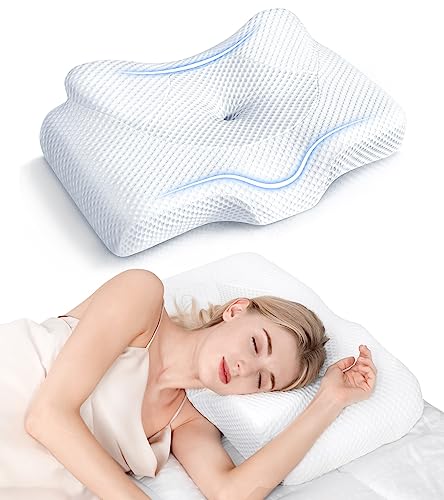
Osteo Cervical Pillow for Neck Pain Relief, Hollow Design Odorless Memory Foam Pillows with Cooling Case, Adjustable Orthopedic Bed Pillow for Sleeping, Support for Side Back Sleepers
【STOP! THE NECK PAIN & SLEEPLESS NIGHTS ARE OVER!】After years of discomfort, you've found salvation at last! Meet…
As an affiliate, we earn on qualifying purchases.
As an affiliate, we earn on qualifying purchases.