If you’re struggling with bad breath, I know it often comes down to poor oral hygiene, diet, or health issues that feed bacteria in your mouth. Brushing twice daily, flossing, and using mouthwash can substantially cut down odors. Watch your food choices—garlic, onions, and sugary snacks can make breath worse—and stay hydrated to promote saliva flow. Staying consistent with these habits helps reduce halitosis, and there’s more you can do to keep your breath fresh.

Get oils, diffusers and self-care delivered free — and shop member deals
- Fast, free delivery on millions of items
- Access to Prime Big Deal Days deals on October 6–7
- Prime Video, Amazon Music and more included
Key Takeaways
- Poor oral hygiene, including plaque buildup and bacteria on the tongue, is a primary cause of bad breath.
- Consuming strong-smelling foods like garlic and onions temporarily causes halitosis.
- Dry mouth from irregular eating or dehydration reduces saliva, promoting bacterial growth and odor.
- Regular brushing, flossing, tongue cleaning, and mouthwash use effectively reduce halitosis.
- Staying hydrated, eating balanced meals, and visiting the dentist help prevent and manage bad breath.
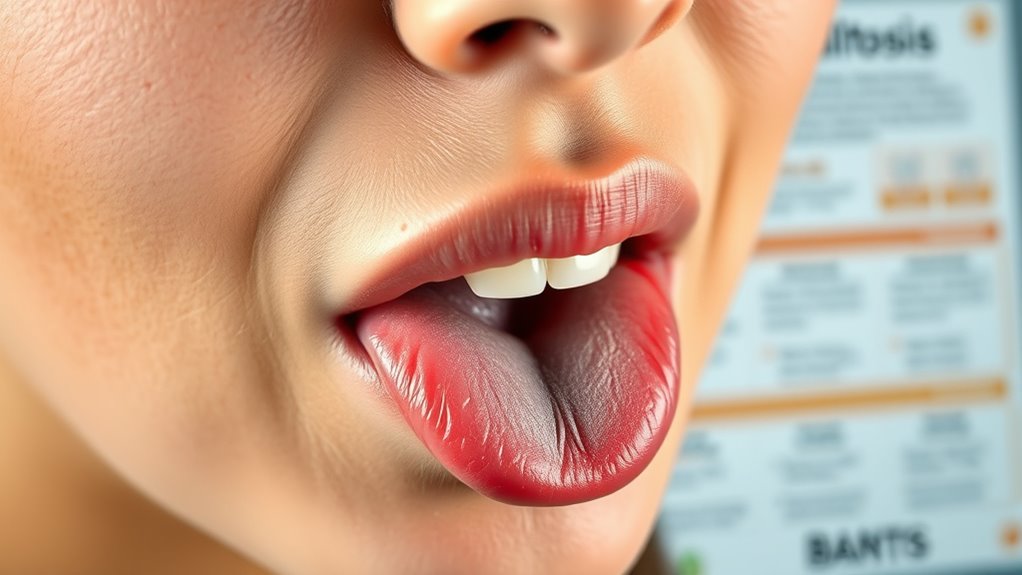
Halitosis, commonly known as bad breath, can be embarrassing and sometimes a sign of underlying health issues. It’s something I’ve definitely experienced at some point, and I know the frustration that comes with trying to figure out how to get rid of it. The good news is that many cases of bad breath are preventable and manageable with proper oral hygiene and awareness of dietary influences.
First, let’s talk about oral hygiene. I’ve learned that brushing twice a day, flossing daily, and using mouthwash can considerably improve breath freshness. When I neglect these habits, I notice my breath worsens pretty quickly. Plaque buildup, food particles, and bacteria in the mouth are common culprits behind bad breath. These bacteria produce sulfur compounds that cause that unpleasant odor. Regular brushing, especially on the tongue, helps remove these bacteria and reduces the odor. Flossing is equally important because it cleans between teeth where a toothbrush can’t reach, preventing food debris from decaying and feeding bacteria. Mouthwash, particularly antibacterial types, can give an extra layer of protection, killing off bacteria and leaving your mouth feeling fresh.
Brushing twice daily, flossing, and mouthwash are key to fresh breath and reducing bacteria buildup.
Dietary influences also play a big role in halitosis. I’ve found that certain foods can cause temporary bad breath, like garlic, onions, and spicy dishes. These foods contain strong compounds that enter the bloodstream and are expelled through the lungs, which is why your breath can smell even hours after eating them. Besides specific foods, sugary snacks and drinks promote bacterial growth in the mouth, making bad breath worse. On the flip side, drinking plenty of water helps wash away food particles and bacteria, keeping your mouth moist and less hospitable to odor-causing bacteria.
Another aspect I’ve noticed is that irregular eating habits or skipping meals can also contribute to bad breath. When I don’t eat regularly, my body produces fewer saliva, leading to dry mouth—a common cause of bad breath. Saliva is essential because it naturally cleanses the mouth and neutralizes acids produced by bacteria. Chewing sugar-free gum can stimulate saliva production and temporarily mask bad odors, but it’s no substitute for good oral hygiene.
Additionally, I learned that grocery store hours can influence how easily I can access fresh foods and supplies necessary for maintaining oral health. In essence, managing halitosis involves a combination of maintaining good oral hygiene and being mindful of what I eat and drink. Regular dental checkups are also important because sometimes bad breath can stem from dental or health issues beyond simple hygiene. When I combine these habits—brushing, flossing, staying hydrated, and watching my diet—I notice a considerably improvement in my breath and confidence. It’s a simple, effective way to keep bad breath at bay and feel more comfortable in social situations.
antibacterial mouthwash for bad breath
As an affiliate, we earn on qualifying purchases.
As an affiliate, we earn on qualifying purchases.
Frequently Asked Questions
Can Certain Foods Cause Long-Term Bad Breath?
Certain foods can cause long-term bad breath because they act as food triggers for oral bacteria. When I eat garlic, onions, or spicy foods, they release compounds that linger and feed bacteria, leading to persistent odor. If I don’t maintain good oral hygiene, these bacteria continue to produce foul-smelling gases. So, yes, some foods can contribute to ongoing bad breath, especially if I don’t clean my mouth regularly.
Are There Natural Remedies for Halitosis?
You might be surprised, but natural remedies like herbal mouthwashes and oil pulling can really help with halitosis. I’ve found that herbal mouthwashes soothe my mouth and freshen my breath, while oil pulling with coconut oil pulls toxins and reduces bacteria. Combining these practices daily not only improves breath but also supports overall oral health. Give them a try, and you might just notice a fresher, cleaner mouth naturally.
How Does Dry Mouth Contribute to Bad Breath?
Dry mouth contributes to bad breath because it reduces saliva production, which is essential for maintaining oral moisture. When your mouth isn’t properly moist, bacteria thrive, producing foul odors. I’ve noticed that staying hydrated and stimulating saliva flow, like chewing sugar-free gum, helps keep my mouth moist and freshens my breath. Oral moisture is key, as it naturally cleanses the mouth and inhibits bacteria growth that causes bad breath.
Is Bad Breath a Sign of Underlying Health Issues?
Yes, bad breath can be a sign of underlying health issues. Poor dental hygiene often leads to oral infections, which cause foul odors. Additionally, conditions like sinus infections, diabetes, or gastrointestinal problems may manifest as persistent bad breath. If your bad breath persists despite good oral care, I recommend visiting a healthcare professional to rule out any serious health concerns and guarantee proper diagnosis and treatment.
When Should I See a Dentist About Persistent Bad Breath?
Ever wonder when to see a dentist about persistent bad breath? If your bad breath lasts more than a few days despite good oral hygiene, it’s time for a dental checkup. Persistent symptoms can indicate underlying issues like gum disease or decay. Don’t wait until it worsens—regular dental visits help catch problems early and keep your breath fresh. Trust me, addressing it sooner rather than later makes all the difference.
Conclusion
Understanding halitosis is the first step toward fresh breath and confidence. Did you know that nearly 50% of adults experience bad breath at some point? It’s a common issue, but with simple daily habits like good oral hygiene and staying hydrated, you can keep it under control. Don’t let bad breath hold you back—take charge today and breathe easy knowing you’re doing your part to stay fresh and confident every day.
Fall Picks
fall essentials
As an affiliate, we earn on qualifying purchases.