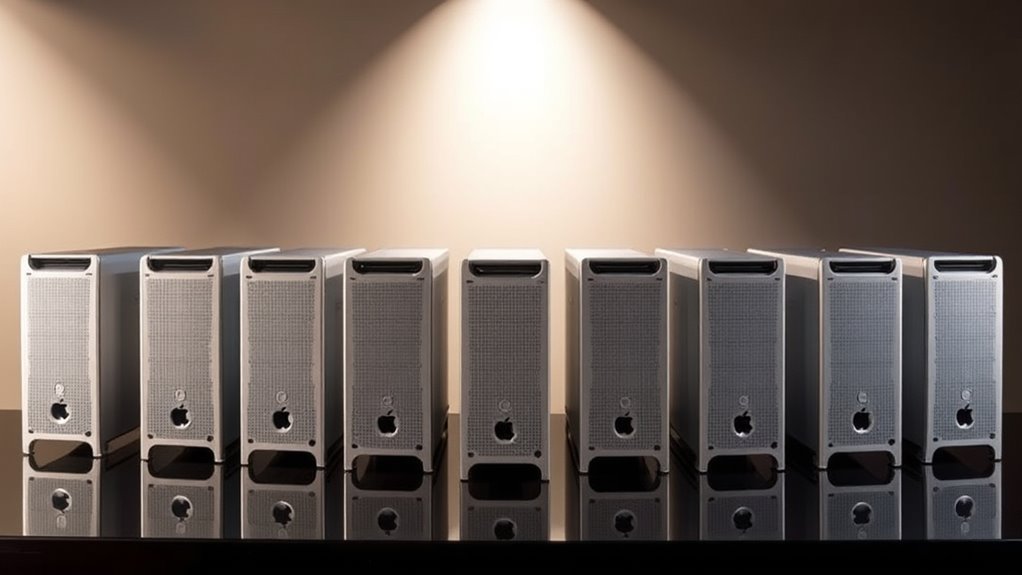

Choosing a renewed Mac Pro in 2026 means balancing raw power with budget considerations. The Apple Mac Pro Desktop with 12-core Intel Xeon stands out for demanding professional workflows, while the Mac Pro ‘Quad Core’ 3.7GHz Xeon offers a more compact but still capable alternative. Both options come with tradeoffs: the 12-core model offers extreme multitasking but at a higher price and potentially minimal cosmetic wear, whereas the quad-core version is more affordable but less future-proof and limited in internal expansion.

Get oils, diffusers and self-care delivered free with Prime
- Fast, free delivery on millions of items
- Prime Video, Amazon Music and more included
- Member-only deals all year
Key Takeaways
- The 12-core Mac Pro excels in multi-threaded tasks like 3D rendering and video editing.
- The quad-core model provides a more affordable entry point with decent performance for less demanding workflows.
- Both refurbished options include professional-grade AMD FirePro graphics, but internal expansion options are limited.
- Price and age are key tradeoffs: the 12-core is newer and more powerful, while the quad-core is older but more budget-friendly.
- Connectivity options like Thunderbolt 2 and USB 3.0 remain robust, but internal storage upgrades are limited for both.
| Apple Mac Pro Desktop Computer – Intel Xeon E5 2.7GHz 12-Core, 32GB RAM, 256GB SSD (Renewed) |  | Best Overall High-Performance Workstation | Processor: 12-core 2.7 GHz Intel Xeon E5 | RAM: 32GB DDR3 ECC | Storage: 256GB PCIe SSD | VIEW ON AMAZON | See Our Full Breakdown |
| Apple Mac Pro ‘Quad Core’ 3.7GHz Xeon (ME253LL/A) 64GB RAM, 512GB SSD (Renewed) |  | Best Value for Power and Price | Processor: 3.7GHz Intel Xeon E5-1620v2 Quad Core | RAM: 64GB 1866MHz DDR3 ECC SDRAM | Storage: 512GB PCIe 2.0 x4 SSD | VIEW ON AMAZON | See Our Full Breakdown |
| renewed mac pro desktop | Processor | RAM | Storage | Graphics |
|---|---|---|---|---|
| Apple Mac Pro Desktop Computer | 12-core 2.7 GHz Intel Xeon E5 | 32GB DDR3 ECC | 256GB PCIe SSD | Dual AMD FirePro D300 with 2GB GDDR5 each |
| Apple Mac Pro ‘Quad Core’ 3.7G | 3.7GHz Intel Xeon E5-1620v2 Quad Core | 64GB 1866MHz DDR3 ECC SDRAM | 512GB PCIe 2.0 x4 SSD | Dual AMD FirePro D300 with 2GB GDDR5 each |
More Details on Our Top Picks
Apple Mac Pro Desktop Computer – Intel Xeon E5 2.7GHz 12-Core, 32GB RAM, 256GB SSD (Renewed)
This Mac Pro is a powerhouse for professionals who need serious multi-tasking and rendering capabilities. Its 12-core Intel Xeon processor provides the muscle for intensive workflows, while 32GB of RAM supports robust multitasking. The included dual AMD FirePro D300 GPUs are optimized for graphics-intensive tasks. Compared with the quad-core model, this unit offers superior processing power and better future-proofing, but it comes with a higher price and a slightly older design.
Pros:- High-performance 12-core processor suitable for demanding tasks
- Ample 32GB RAM for multitasking and complex workflows
- Fast PCIe SSD for quick data access
- Multiple connectivity options including Thunderbolt 2 and USB 3.0
Cons:- Refurbished may show minimal signs of wear
- High price point for a specialized workstation
- Limited internal expansion compared to newer models
Best for: Professional video editors, 3D artists, and data scientists needing maximum processing power.
Not ideal for: Budget-conscious users or those preferring internal expansion for upgrades.
- Processor:12-core 2.7 GHz Intel Xeon E5
- RAM:32GB DDR3 ECC
- Storage:256GB PCIe SSD
- Graphics:Dual AMD FirePro D300 with 2GB GDDR5 each
- Wi-Fi:802.11ac
- Ports:Six Thunderbolt 2, four USB 3.0
Our verdict“This model is best suited for professionals needing top-tier processing power without paying the premium for a new system.”
Apple Mac Pro ‘Quad Core’ 3.7GHz Xeon (ME253LL/A) 64GB RAM, 512GB SSD (Renewed)
The Mac Pro ‘Late 2013’ remains a capable workstation, especially with its quad-core 3.7GHz Xeon processor and 64GB of ECC RAM. Its compact cylindrical design makes it ideal for space-constrained environments, and its extensive connectivity supports multiple high-resolution displays. Compared with the 12-core model, it offers less raw processing power but is more affordable and still suitable for many demanding tasks. However, its hardware age and limited internal upgrade options make it less future-proof.
Pros:- Powerful quad-core Xeon processor with 3.7GHz speed
- Large 64GB ECC RAM supports heavy multitasking
- Dual AMD FirePro D300 GPUs enable multi-display setups
- Extensive connectivity including Thunderbolt 2 and Gigabit Ethernet
Cons:- Limited internal expansion due to design
- Hardware is over 10 years old, risking future compatibility
- 512GB SSD may be small for large projects
Best for: Creative professionals and developers seeking a powerful yet budget-friendly workstation.
Not ideal for: Users requiring the latest hardware or extensive internal upgrades.
- Processor:3.7GHz Intel Xeon E5-1620v2 Quad Core
- RAM:64GB 1866MHz DDR3 ECC SDRAM
- Storage:512GB PCIe 2.0 x4 SSD
- Graphics:Dual AMD FirePro D300 with 2GB GDDR5 each
- Ports:6x Thunderbolt 2, 4x USB 3.0, HDMI 1.4, Ethernet
- Wireless:802.11ac Wi-Fi, Bluetooth 4.0
Our verdict“This model balances performance and cost, making it a good choice for professionals who want capable hardware without the latest premium pricing.”

How We Picked
Our selection process focused on performance, value, and relevance for professional workflows in 2026. We prioritized refurbished units that are tested, inspected, and come with warranties, ensuring reliability. The criteria included processor power, RAM capacity, graphics support, connectivity options, and overall build quality, comparing how each model balances these features against price and age. Our goal was to identify options that serve demanding users while being accessible within the renewed market.
Factors to Consider When Choosing Renewed Mac Pro Desktops
When evaluating renewed Mac Pro desktops, it’s essential to consider your specific professional needs, budget, and how current the hardware is. The key factors include processor performance, RAM capacity, graphics support, connectivity, and internal upgrade options. Understanding these elements helps match a model that can handle your workload today and in the near future.
Processor Power
The processor is the core of any workstation. The 12-core Intel Xeon in the first pick delivers top-tier multi-threaded performance, ideal for rendering and data processing. The quad-core version, while still powerful, is better suited to less intensive tasks or smaller workflows. Choose the processor based on the complexity of your work—more cores mean better multitasking and future-proofing.
Memory and Storage
Memory impacts multitasking and responsiveness. 32GB of RAM in the 12-core model is ample for most professional tasks, while 64GB in the quad-core provides additional headroom. Storage size varies; 256GB SSD offers speed but may require external drives for large projects, whereas 512GB is a modest internal capacity for heavier workflows. Prioritize RAM and storage based on your file sizes and software requirements.
Graphics and Connectivity
Both options include dual AMD FirePro D300 GPUs, supporting multiple high-resolution displays. For tasks like 3D modeling or video editing, GPU performance is crucial. Connectivity options such as Thunderbolt 2 and USB 3.0 ensure compatibility with peripherals and external drives. Keep in mind that internal expansion is limited, especially in the older model, which might restrict future upgrades.
Age and Expandability
The 12-core model is more recent and offers better longevity, while the 2013 model, although capable, risks obsolescence sooner due to aging hardware. Both have limited internal upgrade paths, so consider future-proofing needs carefully. Refurbished units should come with warranties, but check the condition and seller reputation before purchasing.
Frequently Asked Questions
Are renewed Mac Pro desktops reliable?
Yes, if purchased from reputable refurbishers that perform thorough testing, cleaning, and inspection. Most come with warranties, which add a layer of security. While they may show minor signs of wear, their internal components are tested for performance, making them reliable options for professional use.
How does the performance of these refurbished models compare to new Mac Pros?
Refurbished models like these offer performance close to their original specifications, suitable for demanding workflows. However, they are older hardware, which might limit compatibility with future macOS updates and new software features. For most professional tasks today, they remain capable, but they won’t match the latest generation in raw processing power.
Can I upgrade internal components in these refurbished Mac Pros?
Internal upgrades are very limited, especially for the older 2013 model. RAM might sometimes be upgraded within supported limits, but processors, GPUs, and storage are generally fixed. If upgradeability is a priority, consider this when choosing a model. External upgrades through Thunderbolt peripherals are often the best way to extend capabilities.
What should I consider before buying a renewed Mac Pro?
Focus on your specific workload and whether the hardware specs meet your needs. Check the condition and warranty details, and consider the age of the hardware—newer models tend to be more future-proof. Also, evaluate connectivity options, internal expandability, and the total cost compared to a new system to ensure good value.
Are there any risks associated with refurbished Mac Pros?
Risks include potential cosmetic imperfections and hardware aging, but reputable sellers mitigate this through rigorous testing and warranties. It’s important to buy from trusted sources, review the condition reports, and ensure a minimum warranty period to protect your investment in these refurbished systems.
Conclusion
For buyers who need maximum processing power and multitasking capabilities, the Apple Mac Pro with 12-core Intel Xeon is the best choice, especially for demanding creative and scientific workflows. Budget-conscious professionals or those with less intensive needs may prefer the Quad Core 3.7GHz Xeon for its affordability and still solid performance. Both are excellent options in the renewed market, but your decision should align with your workload demands and future upgrade expectations.
Fall Picks
fall essentials
As an affiliate, we earn on qualifying purchases.