After menopause, I understand that changes in comfort, lubrication, and desire are normal due to hormonal shifts. Vaginal tissues may become thinner and drier, making intimacy less comfortable, but lubricants and estrogen therapies can help. Libido might fluctuate, and emotional factors also play a role. It’s important to be patient, communicate openly, and explore new ways to enjoy intimacy. If you’re curious about maintaining your sexual vigour, there’s more you can discover.
Key Takeaways
- Vaginal dryness after menopause can be managed with lubricants, moisturizers, or prescribed vaginal estrogen therapies.
- Addressing hormonal changes through lifestyle, communication, and medical options can support libido and sexual desire.
- Emotional intimacy, stress reduction, and self-care practices enhance overall sexual satisfaction during menopause.
- Open discussions with healthcare providers about symptoms and treatment options improve comfort and sexual health.
- Maintaining confidence and exploring new intimacy strategies help sustain a vibrant sex life beyond menopause.

Have you ever wondered how menopause impacts sexual health? It’s a question many women ask as they navigate this new chapter of life. The truth is, hormonal changes during menopause can significantly affect your body’s natural lubrication, desire, and overall comfort during intimacy. As estrogen levels drop, your vaginal tissues may become thinner, drier, and less elastic, which can make sex uncomfortable or even painful. This isn’t just in your head—your body is going through real physical shifts. But understanding these changes can empower you to adopt effective intimacy strategies that restore confidence and pleasure.
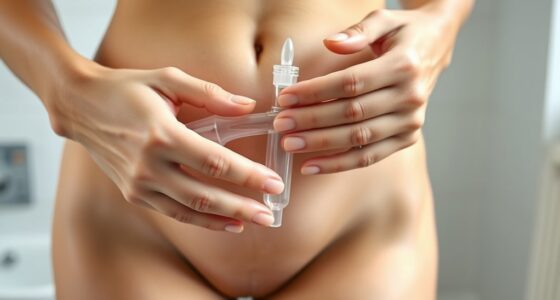
One of the most common issues women face is vaginal dryness, which results from decreased estrogen. This can lead to discomfort or soreness during intimacy, often discouraging women from pursuing a healthy sex life. The good news is that there are many solutions, from over-the-counter lubricants and moisturizers to prescribed vaginal estrogen therapies. These tools help recreate the natural lubrication your body used to produce, making sex more comfortable and enjoyable. It’s important to recognize that addressing dryness isn’t a sign of failure or aging, but simply a natural response to hormonal fluctuations. These intimacy strategies can help you regain confidence and reestablish intimacy with your partner.
Desire, too, can fluctuate during menopause due to hormonal shifts. Some women notice a significant decrease in libido, while others experience little change. This variability is normal, but it can sometimes cause frustration or concern. Understanding that hormones like estrogen and testosterone influence desire is helpful; when these levels decline, so can your interest in sex. However, there are ways to nurture your libido, such as maintaining open communication with your partner, exploring new forms of intimacy, or considering hormone therapy if appropriate. It’s essential to listen to your body and give yourself grace, recognizing that your sexual needs and feelings can evolve over time.
In addition to physical strategies, emotional intimacy and stress management play vital roles in maintaining a satisfying sex life after menopause. Practices like mindfulness, deep breathing, and regular exercise can boost your overall mood and body awareness, fostering a more receptive environment for intimacy. Connecting with your partner through honest conversations about your needs and boundaries also strengthens emotional bonds, making physical intimacy more fulfilling. Incorporating skincare products like eye patches or ice masks can also help you feel more refreshed and confident during this transition. The key is to approach these changes with patience and kindness toward yourself. Menopause is a transition, not the end of your sexual vitality. With the right knowledge and intimacy strategies, you can continue to enjoy a vibrant, comfortable, and satisfying sex life long after menopause.
Frequently Asked Questions
How Can I Improve My Libido After Menopause?
To boost my libido after menopause, I focus on hormonal therapy and pelvic exercises. Hormonal therapy helps balance my hormones, reducing dryness and increasing desire. Pelvic exercises strengthen my pelvic floor muscles, making intimacy more enjoyable. I also stay active and maintain a healthy diet, which supports overall well-being. These steps make a noticeable difference, helping me feel more confident and connected in my intimacy.
Are There Natural Remedies for Vaginal Dryness?
Yes, I’ve found that herbal supplements like red clover and evening primrose oil can help with vaginal dryness. I also made dietary changes, increasing water intake and adding omega-3-rich foods, which support moisture and elasticity. These natural remedies work well for me, and I recommend trying them to see if they improve your comfort. Always talk to your healthcare provider before starting new supplements or major diet changes.
What Are the Safest Lubricants for Sensitive Skin?
If you’re looking for safe personal lubricant options for sensitive skin, I recommend choosing water-based or silicone-based lubricants. Always check ingredient safety guidelines and avoid products with fragrances, parabens, or glycerin, which can irritate sensitive skin. I prefer brands that list simple, natural ingredients, ensuring comfort and safety. Testing a small amount first helps prevent any adverse reactions, making intimacy more comfortable and enjoyable.
How Does Menopause Affect Long-Term Sexual Health?
Think of menopause like a sunset gradually changing the landscape; it affects long-term sexual health through hormonal changes that can decrease libido and cause vaginal dryness. These shifts also influence emotional well-being, sometimes leading to feelings of loss or frustration. I’ve found that understanding these effects helps me manage them better, and staying connected with a healthcare provider can make a real difference in maintaining intimacy and confidence over time.
When Should I Consult a Doctor About Sexual Concerns?
You should consult a doctor about sexual concerns if they persist or worsen despite trying self-care. I recommend seeking help if hormonal therapy options, like lubricants or hormone therapy, don’t improve your comfort, or if emotional or psychological issues are affecting your desire. A healthcare professional can provide personalized advice and psychological support, ensuring you find effective solutions to enhance your sexual health and well-being.
Conclusion
Exploring sexual health after menopause can feel like a challenge, but it’s also an opportunity for renewal. Just as discomfort and dryness can appear, so can newfound confidence and intimacy. The contrast reminds me that this stage isn’t the end, but a new beginning. Embracing comfort and desire isn’t about returning to what was, but discovering what’s possible now. After all, true fulfillment often comes from embracing change, not resisting it.