
Lubricants can impact your vaginal microbiome and pH depending on their ingredients. If a lubricant isn’t pH-balanced, it may disrupt your natural acidity and upset healthy bacteria, leading to irritation or infections. Many commercial lubricants contain chemicals or glycerin, which can feed yeast or disturb your microbial environment. Choosing products with a neutral or slightly acidic pH and natural ingredients helps protect your vaginal health. Keep exploring to learn how to pick the safest options.
Key Takeaways
- Lubricants with mismatched pH can disrupt the vaginal microbiome, leading to irritation or infections.
- pH-balanced lubricants help preserve the natural acidity essential for healthy vaginal bacteria.
- Ingredients like glycerin or artificial fragrances may promote yeast overgrowth and microbiome imbalance.
- Natural, irritant-free lubricants support overall vaginal health and reduce infection risks.
- Choosing products designed for vaginal use ensures compatibility with the microbiome and maintains pH stability.
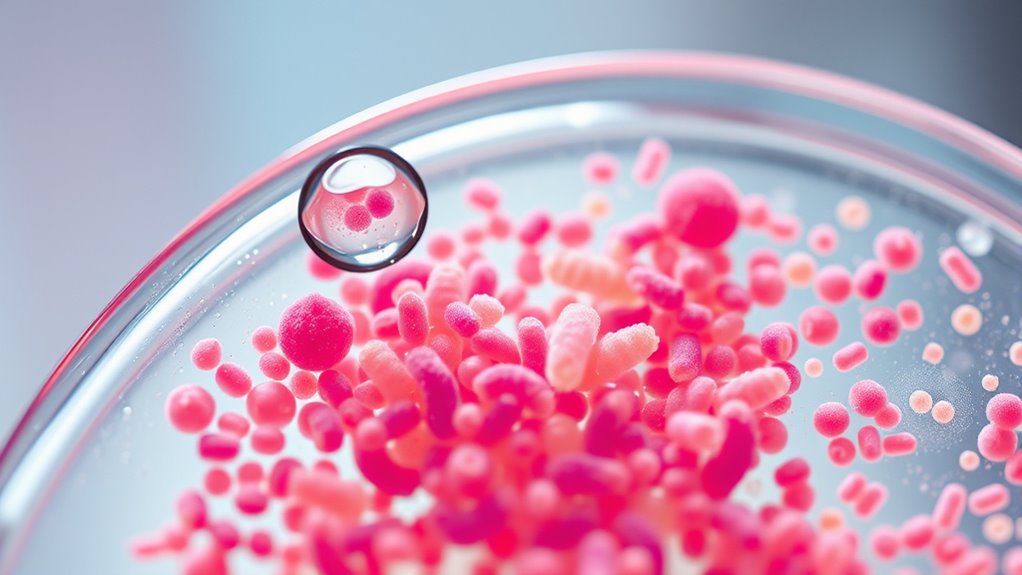
Many women use lubricants to enhance comfort during intimacy, but what many might not realize is that these products can also impact the delicate balance of the vaginal microbiome. The vaginal microbiome is a complex ecosystem of bacteria that plays a pivotal role in maintaining overall vaginal health, preventing infections, and supporting a healthy pH balance. When choosing a lubricant, it’s essential to consider how it might affect this sensitive environment.
One of the most important factors is the lubricant’s pH balance. The vagina naturally maintains a slightly acidic pH, usually around 3.8 to 4.5. This acidity inhibits the growth of harmful bacteria and yeast. If a lubricant has a pH that’s too high or too low, it can disrupt this natural balance, potentially leading to irritation, infections, or an imbalance in the microbiome. That’s why I always check the label for pH compatibility—products that match the vagina’s natural pH are less likely to cause disruption.
Ingredient safety is equally critical. Many lubricants contain chemicals, preservatives, or fragrances that can irritate sensitive vaginal tissues or disturb the microbiome. I prefer products with simple, natural ingredients because they’re generally safer and less likely to cause adverse reactions. When I read labels, I look out for harmful additives, parabens, glycerin, or artificial fragrances, which can upset the microbial balance or increase the risk of infections like yeast overgrowth.
It’s also worth noting that some ingredients, even if safe for the skin, might not be suitable for vaginal use. For example, glycerin is common in many lubricants, but it can feed yeast and increase the chance of yeast infections in some women. Meanwhile, lubricants designed specifically for vaginal use often undergo testing to verify they’re both pH-balanced and free from irritants, making them a safer choice.
In my experience, choosing a lubricant with a neutral or slightly acidic pH, coupled with safe, natural ingredients, helps preserve the vaginal microbiome. This careful selection supports overall health and makes intimacy more comfortable without compromising the body’s natural defenses. Additionally, understanding the vaginal microbiome and how it interacts with products can help prevent long-term health issues. Ultimately, understanding how these products interact with the body’s delicate ecosystem empowers me to make better choices, keeping my vaginal health in check while enjoying intimacy.
Frequently Asked Questions
Do Lubricants Influence the Risk of Vaginal Infections?
Yes, lubricants can influence the risk of vaginal infections by affecting your pH balance and causing microbial disruption. Some lubricants contain ingredients that may disturb the natural vaginal environment, making it easier for harmful bacteria or yeast to thrive. To reduce this risk, I recommend choosing pH-balanced, water-based lubricants that are free from irritants, helping to maintain your healthy vaginal microbiome and lower infection chances.
Are Natural Lubricants Better for Maintaining Vaginal Ph?
Natural lubricants are generally better for maintaining vaginal pH because they often contain natural ingredients that support the body’s pH balance. I prefer these because they’re less likely to cause irritation or disrupt the healthy microbiome. Using lubricants with natural ingredients helps keep the vaginal environment balanced, reducing discomfort and the risk of infections. Always check labels to make sure they’re free from artificial chemicals that could upset your pH.
Can Lubricants Cause Allergic Reactions Affecting the Microbiome?
Yes, lubricants can sometimes trigger allergic reactions that may lead to microbiome disruption. I’ve found that some ingredients, like fragrances or preservatives, can irritate sensitive skin and upset the delicate balance of bacteria. To avoid this, I recommend choosing hypoallergenic or natural lubricants. This way, you reduce the risk of allergic reactions and help maintain a healthy, balanced microbiome for overall vaginal comfort and health.
How Do Lubricants Impact Vaginal Flora During Different Life Stages?
Lubricants can influence vaginal flora during different life stages by affecting vaginal pH and microbial balance. For example, during menopause, decreased estrogen levels may cause pH shifts, making the environment more susceptible to imbalances. Using lubricants with appropriate pH levels helps maintain microbial balance, supporting healthy flora. I recommend choosing lubricants designed for sensitive skin and tailored to your specific life stage to protect your vaginal health.
Are There Long-Term Effects of Lubricant Use on Vaginal Health?
I believe there can be long-term effects of lubricant use on vaginal health, especially through long-term microbiome changes and hormonal interactions. Regular use might alter the balance of good bacteria, potentially leading to issues like infections or discomfort. It’s important to choose lubricants that support a healthy microbiome and consider hormonal factors, especially if you notice ongoing changes or symptoms. Consulting a healthcare provider can help ensure your vaginal health stays ideal.
Conclusion
In brief, choosing the right lubricant can truly make a difference for your vaginal health. As I’ve learned, some lubricants support a balanced microbiome, while others might disrupt it—like a rogue knight in a medieval tale. So, next time you’re considering a lubricant, think of it as selecting a trustworthy ally. Protecting your vaginal pH and microbiome isn’t just modern advice; it’s a timeless principle for maintaining overall wellness.