You breathe in invisible chemicals called VOCs from everyday household items like cleaners, paints, and furniture. These compounds evaporate into indoor air during use and can linger, especially if your home isn’t well-ventilated. Exposure to VOCs can cause irritation, respiratory issues, or worse over time. To protect your health, choosing low-VOC products and increasing airflow helps. If you want to understand how to minimize your exposure and improve indoor air quality, there’s more to discover.
Key Takeaways
- VOCs are invisible chemicals emitted from household products like paints, cleaning agents, and furniture.
- They can cause health issues such as eye irritation, respiratory problems, and long-term illnesses.
- Indoor environments often trap VOCs due to poor ventilation, increasing exposure risks.
- Activities like painting, cleaning, and using new furniture release VOCs into indoor air.
- Using low-VOC products, increasing ventilation, and air purification help reduce indoor VOC levels.
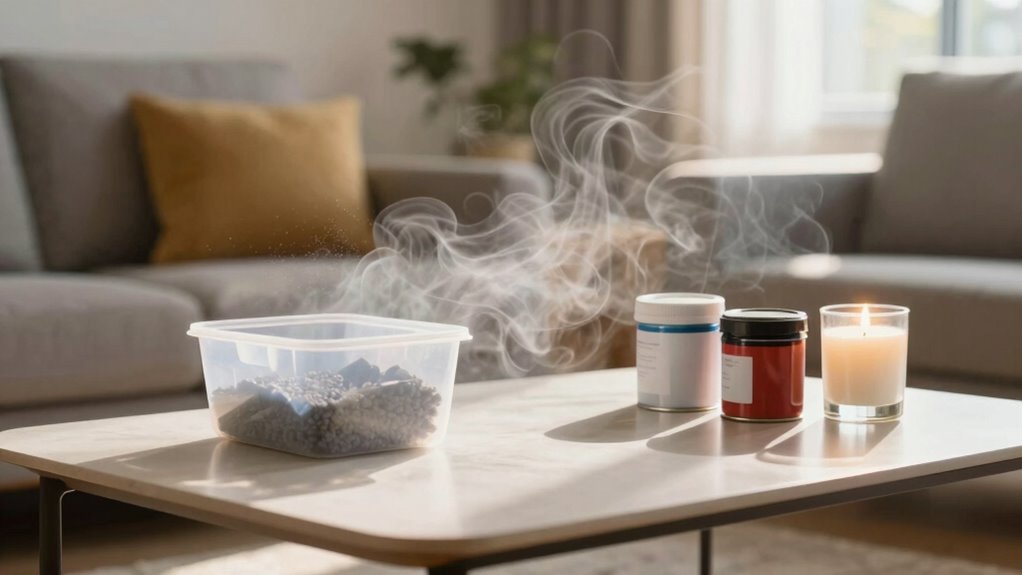
Have you ever wondered what invisible chemicals might be lingering in your home? These unseen substances are often VOCs—volatile organic compounds—that quietly affect your air quality and contribute to indoor pollution. You might not see or smell them, but they’re there, floating in the air you breathe every day. Understanding how VOCs impact your environment helps you take control of your indoor air quality and protect your health.
VOCs are released from a wide range of common household items like cleaning products, paints, air fresheners, and even furniture. When you use these products, VOCs evaporate into the air, creating a layer of indoor pollution that can linger for hours or even days. Because they’re invisible, many people underestimate their presence and the potential health risks involved. But the truth is, these chemicals can cause a host of problems, from minor irritations like itchy eyes and sore throats to more serious issues like respiratory problems and long-term health effects.
Common household items release VOCs that linger in the air, posing health risks.
Indoor pollution caused by VOCs is especially concerning because the air inside your home often contains higher concentrations of these chemicals than outdoor air. This is because your home acts as a sealed environment, trapping pollutants inside. Without proper ventilation, VOCs accumulate over time, leading to poor air quality that can affect everyone in your household. Children, the elderly, and those with pre-existing health conditions are particularly vulnerable to these invisible pollutants.
It’s easy to forget that everyday activities can introduce VOCs into your home environment. For example, opening a new piece of furniture or painting a room can release a burst of chemicals that settle into your indoor air. Even routine cleaning with certain products can elevate VOC levels. Because these substances are volatile, they tend to evaporate quickly, but that doesn’t mean they disappear entirely. In fact, they can persist in the air for extended periods, especially in poorly ventilated spaces.
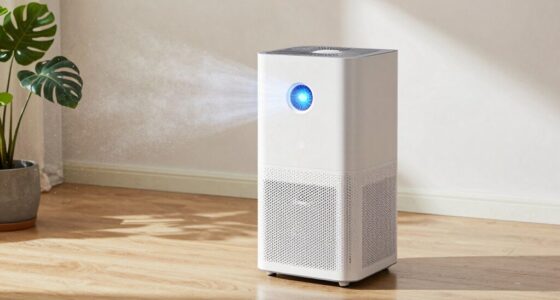
The good news is that you can reduce VOC-related indoor pollution by making smarter choices. Opt for low-VOC or no-VOC products whenever possible. Increase ventilation by opening windows or using exhaust fans to help clear out airborne chemicals. Regularly air out your home after using products that emit VOCs, and consider investing in air purifiers equipped with activated carbon filters that can trap these chemicals. Paying attention to air quality and taking proactive steps can make a significant difference in creating a healthier indoor environment. Additionally, innovative European cloud servers are designed to promote sustainable solutions that help monitor and manage indoor air quality more effectively. After all, breathing cleaner air isn’t just about comfort; it’s about safeguarding your well-being.
Frequently Asked Questions
How Can I Detect VOCS in My Home?
You can detect VOCs in your home using VOC detection devices and air quality sensors. These devices monitor air for harmful pollutants, alerting you when VOC levels are high. Place them in common areas and near sources like kitchens or garages. Regularly check the readings, and consider upgrading your sensors for more accurate detection. Keeping track of VOC levels helps you maintain a healthier indoor environment.
Are VOCS Harmful to Children and Pets?
Are VOCs really safe around children and pets? Probably not. They can cause respiratory problems, allergies, and even long-term health issues. Children and pets are especially vulnerable because they breathe more air per pound and often play close to the ground where VOCs settle. To protect them, reduce indoor allergens by increasing ventilation and using air purification systems. Keep VOC sources like paints and cleaners out of reach, and always ventilate well.
What Are the Long-Term Health Effects of VOC Exposure?
Long-term exposure to VOCs can lead to serious health issues, including chronic respiratory problems, headaches, and fatigue. You might also face increased risks of allergies, asthma, or even more severe conditions like cancer over time. It’s crucial to minimize VOC exposure at home to protect your health. Regular ventilation, using air purifiers, and choosing low-VOC products can help reduce these long-term health risks.
Can Plants Help Reduce VOC Levels Indoors?
Plants can pretty effectively promote plant purification and reduce VOC levels indoors. Indoor greenery acts as natural filters, absorbing volatile organic compounds through their leaves and roots. By introducing lush, lively plants into your space, you create a cleaner, healthier haven. While they won’t eliminate all pollutants, they substantially improve air quality, making your home healthier and more harmonious. So, yes, incorporating plants helps purify and purify your indoor environment.
How Often Should I Ventilate My Home to Reduce VOCS?
You should ventilate your home daily to maintain healthy air quality. Aim for at least 15-30 minutes of air exchange each day, especially after using products that emit VOCs. Establish a consistent ventilation schedule, like opening windows in the morning and evening, to reduce VOC buildup. Proper airflow helps clear out pollutants and keeps your indoor environment fresh. Adjust your schedule based on activity levels and indoor air quality.
Conclusion
While the presence of VOCs may seem like a subtle whisper in your daily environment, being mindful of their gentle influence helps you maintain a healthier home. By choosing air-purifying plants, increasing ventilation, and opting for low-emission products, you subtly invite a more refined and breathable space. Remember, attending to these delicate details softly champions your well-being, transforming your home into a sanctuary where purity and comfort naturally coexist.