Ventilation and filtration both improve indoor air quality, but they do different things. Ventilation brings in fresh outdoor air and pushes out stale indoor air, reducing humidity and odors. Filtration, on the other hand, uses filters to catch dust, pollen, and other particles already inside. While ventilation helps circulate air, filtration cleans it. Understanding how they work together can help you create healthier indoor spaces—there’s more to uncover if you keep exploring.
Key Takeaways
- Ventilation introduces outdoor air and removes indoor air to dilute pollutants, while filtration cleans circulating indoor air by trapping particles.
- Ventilation can be natural or mechanical, whereas filtration relies on specialized filters like HEPA to remove airborne particles.
- Ventilation helps control humidity, odors, and pollutant levels, while filtration targets dust, pollen, bacteria, and some viruses.
- Proper indoor air quality often requires both ventilation for fresh air exchange and filtration for particle removal.
- Ventilation reduces pollutant buildup; filtration enhances air cleanliness—both strategies complement each other.

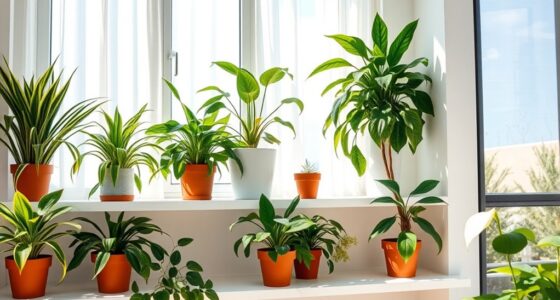
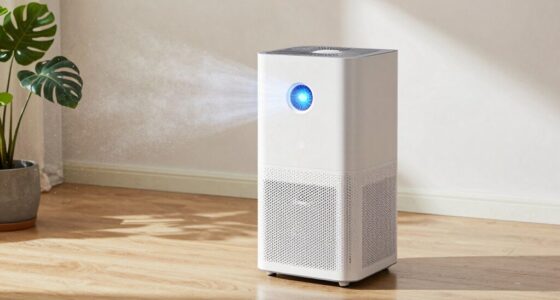
When it comes to improving indoor air quality, understanding the difference between ventilation and filtration is essential. These two approaches play distinct roles in maintaining a healthier environment inside our homes and workplaces. Ventilation is primarily about air exchange — bringing fresh air in and removing stale, contaminated air. It’s like opening a window to let the outside breeze refresh the space. Proper ventilation helps dilute indoor pollutants, moisture, and odors, preventing issues like mold and airborne illnesses. It’s especially vital in tightly sealed buildings where natural air flow is limited. On the other hand, air purification through filtration focuses on removing particles from the air that may have already entered your indoor space. Air filters trap dust, pollen, pet dander, bacteria, and even some viruses, markedly improving indoor air quality. When I think about filtration, I imagine a dedicated system with filters that clean the air continuously, catching pollutants before they circulate further.
Understanding air exchange is key to grasping ventilation’s role. It involves replacing indoor air with fresh outdoor air, which helps reduce the concentration of indoor contaminants. This process can be achieved naturally, by opening windows, or mechanically, with exhaust fans and HVAC systems designed to introduce fresh air and expel stale air. Proper air exchange ensures that pollutants, humidity, and odors don’t linger, creating a more comfortable and healthier environment. Meanwhile, air purification via filtration is about cleaning the air that’s already inside. HEPA filters, for example, are highly effective at capturing tiny particles that can trigger allergies or respiratory problems. Many modern air purifiers combine filtration with other technologies, like UV light, to inactivate bacteria and viruses. While filtration doesn’t replace the need for fresh air, it complements ventilation by removing particles that ventilation alone might not eliminate. Additionally, the effectiveness of filtration can be influenced by the contrast ratio, which affects how well details are rendered in visual displays, reminding us of the importance of precise environmental control.
In practice, effective indoor air quality management involves a combination of both strategies. Ventilation ensures a steady air exchange, reducing pollutant buildup, while filtration ensures that the air circulating within your space is as clean as possible. When I assess my indoor environment, I consider both aspects: am I bringing in enough fresh air? Are my filters regularly maintained? By understanding their differences and how they work together, I can better create a healthier indoor space. So, whether you’re upgrading your HVAC system or investing in a good air purifier, knowing how ventilation and filtration differ helps you make informed choices to breathe easier and live healthier.
Frequently Asked Questions
How Do Ventilation and Filtration Impact Indoor Air Quality?
Ventilation and filtration greatly impact indoor air quality by improving air circulation and controlling humidity. Proper ventilation introduces fresh air, reducing pollutants and excess moisture, while filtration traps dust, allergens, and microbes, making the air cleaner. Together, they create a healthier environment. I recommend ensuring good airflow and using high-quality filters to maintain ideal indoor air quality, especially during seasons when humidity levels fluctuate or pollutants are more prevalent.
Which Method Is More Energy-Efficient for Air Purification?
Honestly, filtration is usually the superhero when it comes to energy efficiency! It consumes less energy because it doesn’t need to run constantly like ventilation systems do. Plus, it has lower maintenance costs over time. Ventilation can be a bit of a energy hog, especially with continuous operation, but filtration systems, especially high-quality filters, save energy and money while keeping your air super clean.
Can Ventilation and Filtration Be Combined Effectively?
Yes, ventilation and filtration can be combined effectively. I do this by increasing air exchange through proper ventilation, which helps remove odors and refresh indoor air. Simultaneously, I use filters to trap airborne particles, improving air quality. This combination guarantees better odor removal and cleaner air overall. By working together, ventilation and filtration create a healthier, more comfortable environment that maximizes air quality efficiently.
What Are the Costs Associated With Each Method?
It’s funny how costs can surprise you—ventilation systems often have higher initial setup costs but lower ongoing maintenance expenses, while filtration systems might be cheaper upfront but can rack up costs with filter replacements. I’ve found that a clear cost comparison helps decide which method fits your budget, considering not just the purchase price but also maintenance expenses over time. Balancing these factors guarantees you select the most cost-effective solution.
How Do Ventilation and Filtration Affect Allergen Levels Indoors?
Ventilation and filtration both reduce indoor allergen levels by improving air exchange and removing particles. Proper ventilation brings in fresh air, diluting allergens, while filtration traps airborne particles with well-maintained filters. I make certain to regularly replace my filters to keep allergen levels low and guarantee my home stays healthy. Combining good ventilation with consistent filter maintenance is key to minimizing indoor allergens effectively.
Conclusion
Think of ventilation and filtration as your home’s breath and shield. Ventilation gently whispers fresh air in, like a breeze through an open window, while filtration stands guard, catching sneaky particles like a vigilant sentinel. Both work together, dancing in harmony to keep your space safe and breathable. By understanding their roles, you’re armed with the tools to create a healthier haven—because when it comes to clean air, knowledge truly is power.