
Formaldehyde in our homes mainly comes from pressed-wood furniture, particleboard, plywood, carpets, upholstery, and certain paints or cleaning products. It’s often odorless and invisible, so you might not notice it right away. To cut exposure, increase ventilation, choose low-emission products, keep your home clean, and use air purifiers. Want to know more about specific sources and effective ways to reduce formaldehyde in your space? Keep exploring for helpful tips.
Key Takeaways
- Common household sources include pressed-wood furniture, carpets, upholstery, and certain paints or finishes.
- Formaldehyde is odorless and invisible, making it difficult to detect without testing.
- Indoor levels can be high and impact health, causing irritation or allergies over time.
- Increase ventilation, choose low-emission products, and use air purifiers to reduce formaldehyde levels.
- Being aware of sources and making small changes can significantly improve indoor air quality and health.

Many of us are unaware that formaldehyde, a common indoor pollutant, can be lurking in our homes and affecting our health. It’s often invisible and odorless, which makes it even more insidious. When I first learned about formaldehyde, I realized how much it could be impacting my indoor air quality without me noticing. It’s not just about outdoor pollution; the air inside our homes can be just as contaminated, if not more so, because of various household sources. This makes understanding where formaldehyde comes from essential to protecting ourselves and our loved ones.
Many of us unknowingly breathe formaldehyde at home, impacting our health without realizing it.
Indoor air quality is a critical aspect of our overall health, and household sources play a considerable role in determining it. Many common items in our homes emit formaldehyde over time, often slowly building up to levels that can cause irritation, allergies, or more serious health issues. For example, pressed-wood furniture, particleboard, and plywood are major sources. When I bought a new wooden desk, I didn’t think much about the chemicals used in its manufacturing. But shortly after setting it up, I noticed a faint chemical smell, which I later learned was formaldehyde off-gassing. Other household sources include carpets, upholstery, curtains, and even some cleaning products. Many air fresheners and disinfectants also contain chemicals that can release formaldehyde or similar volatile organic compounds (VOCs).
What surprised me most is how many everyday items contribute to indoor formaldehyde levels. For instance, certain paints and finishes, especially those that are oil-based, release formaldehyde as they cure. Even some clothing and textiles are treated with chemicals that emit formaldehyde to reduce wrinkles or improve durability. Understanding these household sources made me more conscious of what I bring into my home and how I manage it. I now pay attention to labels and opt for low-emission products whenever possible.
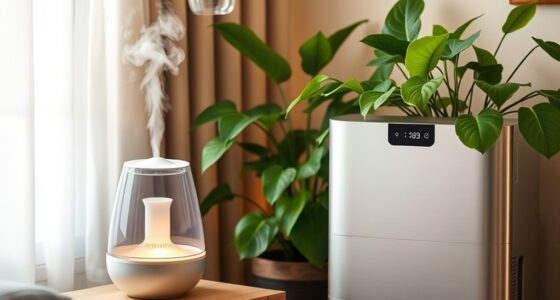
Reducing formaldehyde exposure starts with awareness. Increasing ventilation is one of the simplest and most effective ways to improve indoor air quality. Regularly opening windows and using exhaust fans helps disperse indoor pollutants. Choosing furniture and building materials labeled as low-emission or formaldehyde-free can substantially reduce the source of this chemical. Additionally, maintaining a clean environment by frequently dusting and vacuuming with HEPA filters minimizes dust that can trap formaldehyde particles. I also limit the use of harsh chemical cleaners and switch to natural alternatives. Furthermore, incorporating air purifiers designed for VOC removal can significantly lower formaldehyde levels indoors.
In the end, understanding where formaldehyde originates from in our homes is the first step toward creating a healthier indoor environment. Small changes can make a big difference in reducing exposure and safeguarding our long-term health.
Frequently Asked Questions
How Long Does Formaldehyde Stay Airborne Indoors?
Airborne formaldehyde can stay indoors for hours or even days, depending on factors like ventilation and temperature. I’ve found that indoor persistence varies because poor airflow traps it inside longer, while good ventilation helps clear it out faster. If you want to reduce its airborne duration, I recommend increasing airflow with fans or air purifiers, and letting fresh air in regularly. This way, you can minimize formaldehyde’s lingering presence indoors.
Are There Safe Levels of Formaldehyde Exposure at Home?
There are safety thresholds for formaldehyde exposure, but even low levels can pose health risks over time. I recommend keeping indoor formaldehyde levels below 0.1 ppm to minimize risks. Regular ventilation, choosing low-emission products, and using air purifiers help maintain safer indoor air quality. Staying within these thresholds protects your health and reduces the chance of long-term issues related to formaldehyde exposure.
Can Plants Effectively Reduce Formaldehyde Indoors?
Did you know that some studies show plants can remove up to 20% of indoor formaldehyde? I believe plant absorption considerably contributes to air purification, but it’s not a complete solution. While certain houseplants like ferns and peace lilies help reduce formaldehyde levels, they work best when combined with proper ventilation and other air-cleaning methods. So, yes, plants do help, but don’t rely on them alone.
How Often Should You Test for Formaldehyde Levels?
I recommend testing for formaldehyde levels at least every 3 to 6 months, especially if you’ve recently renovated or brought new furniture into your home. Following health guidelines, more frequent testing might be necessary if you notice symptoms like headaches or respiratory issues. Regular testing helps make sure your indoor air remains safe, allowing you to take prompt action if levels start to rise.
Are Air Purifiers Effective Against Formaldehyde?
Absolutely, air purifiers can be effective against formaldehyde when chosen wisely. I’ve found that air purifier effectiveness in formaldehyde removal depends on the filter type, especially activated carbon filters that absorb VOCs. Regularly running an air purifier with a high-quality filter can substantially reduce formaldehyde levels, creating cleaner, safer spaces. Just make sure to select a purifier designed specifically for VOC and formaldehyde removal for the best results.
Conclusion
If you’re concerned about formaldehyde in your home, remember that awareness is the first step. By choosing low-emission products and increasing ventilation, you can markedly reduce your exposure. Isn’t your health worth a little extra effort? Taking these simple steps can make a big difference in creating a safer, healthier living space. Don’t wait until it’s too late—small changes today can protect your family tomorrow.