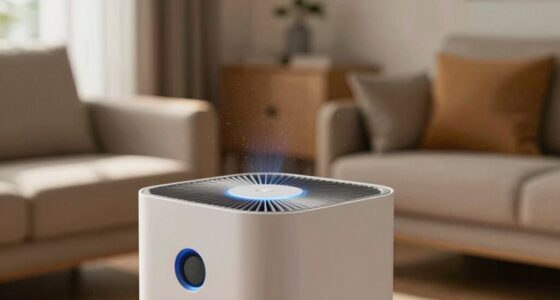

Clean air refers to air free from pollutants indoors and outdoors, focusing on reducing harmful substances like dust, chemicals, and allergens that can affect your health. Fresh air, however, describes the natural, invigorating smell of a breezy, clear day, signifying good environmental conditions but not necessarily absence of pollutants. While outdoor air can seem fresh, it may still contain pollutants from traffic or industry. To truly understand the differences, keep exploring how both impact your well-being.

Get oils, diffusers and self-care delivered free with Prime
- Fast, free delivery on millions of items
- Prime Video, Amazon Music and more included
- Member-only deals all year
Key Takeaways
- “Clean air” refers to the absence of pollutants both indoors and outdoors, while “fresh air” emphasizes a natural, invigorating outdoor experience.
- Indoor “clean air” can be polluted despite outdoor “fresh air” being present, due to sources like cooking fumes or mold.
- “Fresh air” is about sensory perception of natural scents and vitality, not necessarily the absence of harmful substances.
- Outdoor “freshness” can still contain pollutants from traffic or industry, so it doesn’t always mean the air is entirely clean.
- Maintaining “clean air” indoors requires active purification, whereas “fresh air” outdoors often needs no intervention.

Have you ever wondered what truly makes the air we breathe clean or refreshing? It’s a question that often trips us up because the terms are used interchangeably, but they aren’t the same. Clean air typically refers to air free from pollutants, both indoors and outdoors. It’s about reducing harmful substances like dust, smoke, chemicals, and allergens that can harm your health. When you talk about clean air, you’re usually thinking about indoor pollution—those invisible toxins lurking in your home, office, or other enclosed spaces. Indoor pollution can come from cooking fumes, cleaning products, mold, or even pet dander. It’s insidious because you might not see it, but it affects how you breathe, how alert you feel, and your overall well-being.
On the other hand, outdoor freshness is a different concept. It’s what you experience when you step outside on a breezy day, with clear skies and a natural, invigorating scent. Outdoor freshness is about the quality of the air outside—less pollution, cleaner ozone levels, and a more natural balance of particles and gases. This kind of freshness often signifies an environment that’s less contaminated and more in harmony with nature. It’s the air that fills your lungs with a sense of liveliness, not just because it’s free from chemicals but because it feels alive—carrying the scent of trees, flowers, or rain. While outdoor freshness can be a sign of good air quality, it doesn’t necessarily mean the air is entirely pollution-free; it simply means it’s more pleasant and less toxic. Air quality can vary depending on location and environmental factors, even when the air feels fresh.
The key difference lies in the context. Clean air can be compromised indoors even if the outdoor air is pristine. Modern buildings, with their synthetic materials and poor ventilation, often trap pollutants inside. This indoor pollution can make you feel stuffy, tired, or even sick, despite the outdoor environment being fresh and clean. Ensuring proper ventilation and purification is essential for maintaining healthy indoor air. Conversely, you might find outdoor air to be fresh and pleasant, but it could still contain pollutants from traffic, factories, or wildfires, which diminish its true purity. Being aware of indoor pollution and its sources is essential for maintaining a healthy living space.
air purifier for indoor pollution
As an affiliate, we earn on qualifying purchases.
As an affiliate, we earn on qualifying purchases.
Frequently Asked Questions
How Do Indoor and Outdoor Air Quality Differ?
Indoor and outdoor air quality differ mainly due to air exchange and ventilation efficiency. You might notice indoor air can trap pollutants, allergens, and odors because of limited airflow. Outdoor air generally has better ventilation, dispersing pollutants more effectively. However, if outdoor air is polluted, it can affect indoor quality. Proper ventilation improves air exchange, helping you breathe cleaner, fresher air inside, regardless of outdoor conditions.
Can “Fresh Air” Contain Harmful Pollutants?
Think of fresh air as a welcoming guest who might still carry uninvited pollutants. Yes, fresh air can contain harmful pollutants from sources like vehicle emissions, pollen, or industrial activity. These pollutant sources threaten air freshness, making it risky despite the inviting scent. So, while fresh air often feels revitalizing, it’s essential to remember it can still harbor pollutants, impacting your health even when it seems pure and invigorating.
What Factors Influence “Clean Air” Standards?
You influence “clean air” standards through actions like supporting air purification efforts and reducing outdoor pollution. Regulations set limits on pollutants to protect public health, but your choices matter too—avoiding emissions, using eco-friendly products, and advocating for cleaner transportation. These factors directly impact air quality, ensuring you breathe cleaner, healthier air. Staying informed and proactive helps maintain standards that prioritize your well-being and the environment.
Is “Fresh Air” Always Better Than Filtered Air?
Fresh air isn’t always better than filtered air because outdoor pollution can contain harmful pollutants that air purification systems remove. While fresh air feels invigorating, it may carry allergens, bacteria, or chemicals, especially in polluted areas. Filtered air, on the other hand, reduces these risks by purifying indoor air. So, if outdoor pollution is high, filtered air can actually be safer, even if it doesn’t feel as fresh.
How Can I Improve Indoor Air Quality Effectively?
You can improve indoor air quality by adopting effective ventilation strategies and using air purification. Open windows regularly to circulate fresh air, and consider exhaust fans in kitchens and bathrooms. Invest in air purifiers with HEPA filters to remove pollutants and allergens. Keep your space clean, avoid smoking indoors, and control humidity levels. These steps guarantee cleaner, healthier air, making your environment safer and more comfortable.
Conclusion
So, next time you take a deep breath, remember—clean air is the superhero fighting invisible villains like pollution and toxins, while fresh air is the invigorating breeze that lifts your spirit. Don’t settle for just any air—demand the kind that can save your life! Without clean air, your lungs are at war, and without fresh air, life feels dull. Protect both, because your health deserves nothing less than the best of nature’s gifts!
Halloween Picks
halloween
As an affiliate, we earn on qualifying purchases.