If you’re highly sensitive to sensory input, loud noises, bright lights, or overwhelming textures can quickly make you feel anxious, exhausted, or out of control. To stay balanced, you need quiet spaces that give your senses a break and help you recover. Creating calm environments allows you to regulate your emotions and physical well-being more easily. Want to learn how to design these spaces and manage sensory overload effectively? Keep exploring for more insights.
Key Takeaways
- Sensory processing differences cause some individuals to be overwhelmed by typical environmental stimuli.
- Sensory overload can trigger physical symptoms like headaches and anxiety, requiring quiet spaces for recovery.
- People with heightened sensitivities benefit from calming environments to maintain emotional and physical balance.
- Creating sensory-friendly spaces helps manage overstimulation and promotes a sense of normalcy.
- Prioritizing sensory quiet supports overall well-being and self-care for those with sensory sensitivities.
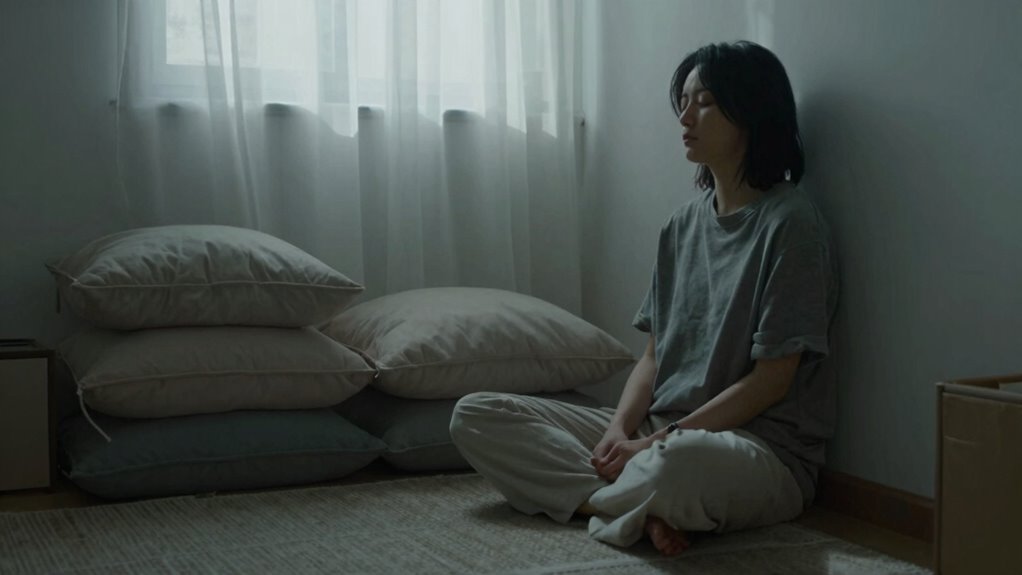
Many people with sensory processing differences find that quiet environments help them feel more calm and in control. When your senses are constantly bombarded by sounds, lights, textures, or smells, it can quickly lead to sensory overload. This overload isn’t just feeling overwhelmed; it can cause physical symptoms like headaches, nausea, or a racing heart. In these moments, your brain struggles to process all the incoming stimuli, making it difficult to focus or stay calm. That’s why creating calming environments becomes essential for maintaining your sense of well-being. These environments act as a refuge where your nervous system can reset, helping you regain your balance. Creating a sensory-friendly space can involve choosing tools like noise-canceling headphones or soft lighting to help manage your environment effectively.
Quiet environments provide essential refuge for sensory reset and emotional balance.
Sensory overload often occurs in busy, noisy places or when there’s too much happening at once. You might notice that loud environments, bright lights, or crowded spaces make you feel anxious or exhausted. Rather than pushing through, you recognize that your needs are different. You may seek out quiet corners, soft lighting, or tactile comfort items to help you regain control. These calming environments aren’t about avoiding life altogether but about managing your sensory input so it doesn’t become overwhelming. They serve as safe spaces where you can decompress and gather your thoughts. Being aware of sensory sensitivities and sensory overload triggers can help you plan ahead and create more effective calming environments. Understanding your sensory processing differences can help you anticipate and reduce potential stressors. Recognizing the importance of sensory regulation can further empower you to develop personalized coping strategies.
You might find that simple adjustments make a significant difference. Wearing noise-canceling headphones, dimming bright lights, or taking breaks in a quiet room can help prevent sensory overload from escalating. Incorporating calming environments into your daily routine provides predictable relief, especially when you’re feeling stressed or overstimulated. It’s about listening to your body’s signals and respecting your need for quiet. This isn’t a sign of weakness or avoidance; it’s a proactive way to protect your mental and physical health. When you have control over your environment, you’re better equipped to handle the sensory input that life throws your way.
Understanding why you need more sensory quiet isn’t just about comfort—it’s about preserving your well-being. Sensory processing differences can make everyday situations feel overwhelming, but creating spaces that promote calmness helps you stay grounded. These calming environments serve as anchors, giving you a break from sensory input and helping you recover your focus and emotional stability. Recognizing your needs and designing your surroundings accordingly empowers you to navigate the world more comfortably. Ultimately, prioritizing sensory quiet isn’t just a preference; it’s an essential part of caring for yourself in a sensory-rich world.
noise-canceling headphones for sensory overload
As an affiliate, we earn on qualifying purchases.
As an affiliate, we earn on qualifying purchases.
Frequently Asked Questions
How Do Sensory Quiet Needs Differ Among Individuals?
Your sensory quiet needs differ based on your sensory processing, which influences how you perceive and respond to stimuli. Some individuals crave more environmental adaptation, seeking calmer spaces to manage sensory overload, while others thrive in busier settings. You might find that sensory quiet helps you feel centered and comfortable, especially if your sensory processing is more sensitive. Understanding your unique needs allows you to create environments that support your well-being.
Can Sensory Quiet Needs Change Over Time?
Yes, your sensory quiet needs can change over time. When you experience sensory overload, your body adapts by seeking more environmental calm. These shifts might surprise you, revealing how your thresholds evolve with stress, health, or environment. You may find yourself craving quieter spaces or tolerate more noise than before. Your sensory needs aren’t fixed—they adapt as your circumstances change, guiding you to find the balance that keeps you feeling centered.
Are Sensory Quiet Needs Linked to Specific Health Conditions?
Yes, sensory quiet needs are often linked to specific health conditions, especially those affecting sensory processing, like autism or sensory processing disorder. When you experience sensory overload, your brain struggles to process stimuli efficiently, making quiet environments necessary for you to feel balanced and normal. Recognizing these links helps you understand why you might need more sensory quiet, especially during overwhelming situations, to maintain comfort and well-being.
How Can I Identify if I Need More Sensory Quiet?
You can identify if you need more sensory quiet by noticing signs of overstimulation, like headaches, irritability, or difficulty concentrating. To manage this, try sensory regulation techniques such as reducing noise or dimming lights. If these feelings persist, you likely need more sensory quiet. Pay attention to your body’s responses, and incorporate calming activities or environments to help manage overstimulation and restore your sense of balance.
What Are Common Environments That Provide Sensory Quiet?
You find environments with minimal background noise and calming textures most soothing. Quiet libraries, cozy bedrooms, or nature spots like parks and forests offer the sensory quiet you crave. These spaces reduce overwhelming stimuli, letting you relax and reset. Look for places with soft lighting, smooth surfaces, and little to no loud sounds. Such environments help you feel calm and centered, providing the sensory quiet you need to regain your balance.
Conclusion
So, next time you wonder why some need sensory quiet to feel normal, remember—it’s not about weakness or avoidance. It’s about respecting the symphony within each person’s mind. Just as a delicate instrument needs tuning, your sensory landscape requires balance. By understanding this silent need, you open the door to empathy. After all, isn’t it true that everyone deserves a peaceful space to truly be themselves?