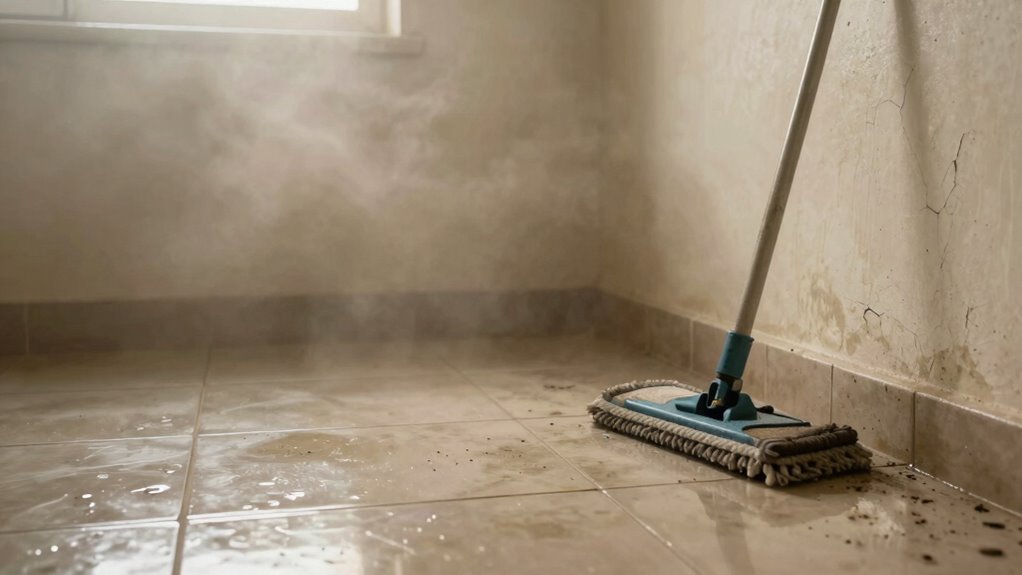
Some cleaners leave a worse smell behind because they mask odors with artificial fragrances that fade quickly or clash, creating an overwhelming scent overload. They may also leave chemical residues that react with indoor pollutants, resulting in stronger, unpleasant odors over time. Excessive scent use can desensitize your nose and make spaces feel suffocating. Understanding these issues can help you find better options, and if you keep exploring, you’ll discover how to maintain a truly fresh environment.

Get oils, diffusers and self-care delivered free with Prime
- Fast, free delivery on millions of items
- Prime Video, Amazon Music and more included
- Member-only deals all year
Key Takeaways
- Inadequate rinsing can leave chemical residues that emit unpleasant odors over time.
- Overuse of artificial fragrances can result in scent overload, causing a chaotic and suffocating environment.
- Residues from cleaning products may react with indoor pollutants, intensifying bad smells.
- Masking scents only cover odors temporarily, often leaving worse smells once they fade.
- Chemical build-up and residue retention can lead to persistent, lingering odors that worsen indoor air quality.
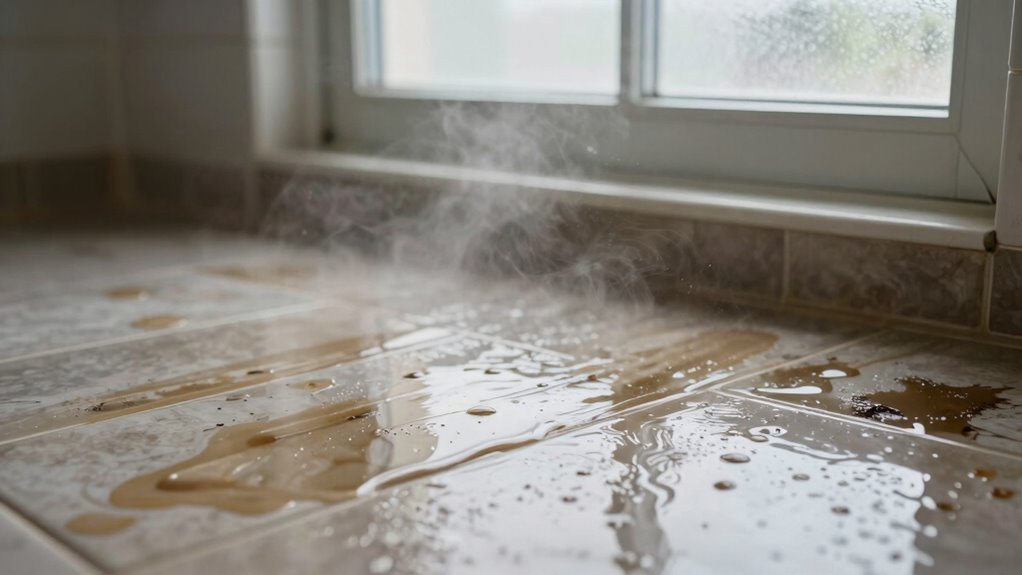
Many cleaning products promise to leave your home smelling fresh, but sometimes they do the opposite. Instead of a clean, inviting scent, you might find yourself overwhelmed by a strange or harsh smell lingering long after you’ve finished cleaning. This often happens because of odor masking or scent overload. Odor masking involves using strong fragrances to cover up bad smells, but these scents rarely eliminate the underlying odor. Instead, they just hide it temporarily, and once the masking scent fades, the original or even a worse smell can resurface. You might notice a sweet, artificial perfume that quickly turns sour or cloying, leaving your space smelling worse than before.
Many cleaning products mask odors temporarily, often leaving worse smells once the scent fades.
Scent overload is another common culprit. Many cleaners come with intense fragrances designed to make your home smell fresh instantly. However, when you use too much or combine multiple scented products, you can create a confusing, overwhelming aroma. Instead of a clean scent, you get a chaotic blend of perfumes that clash and create a heavy, nauseating smell. This overload doesn’t just mask odors; it adds to the problem by making the air thick with artificial fragrances. The result is a scent that’s not only unpleasant but also makes the space feel cluttered and suffocating. Your nose becomes desensitized, and what was meant to be a welcoming aroma turns into a scent assault. Improper rinsing or residue build-up can also contribute to persistent odors, especially when cleaning agents leave behind chemical residues that emit unpleasant smells over time. Additionally, chemical residues can sometimes react with indoor air pollutants, intensifying the bad odor and making it harder to eliminate the smell completely. This highlights the importance of choosing eco-friendly, biodegradable cleaning products that minimize chemical reactions and residues.
eco-friendly odor eliminating cleaner
As an affiliate, we earn on qualifying purchases.
As an affiliate, we earn on qualifying purchases.
Frequently Asked Questions
Can Using Too Much Cleaner Cause Bad Odors?
Yes, using too much cleaner can cause bad odors. When you overapply, chemical reactions can occur, producing unpleasant smells instead of eliminating them. Additionally, excessive cleaner might mask the original scent temporarily, but it often leads to lingering, strong odors once the scent masking wears off. To avoid this, follow the manufacturer’s instructions carefully, measure the right amount, and guarantee proper ventilation during and after cleaning.
Are Certain Surfaces More Prone to Lingering Smells?
Think of certain surfaces as sponges, absorbing smells like water. Porous materials like carpets, fabric upholstery, and cork are more prone to lingering odors because of surface absorption and odor retention. These materials trap scents deep within, making it harder for fresh air to clear them out. To combat this, choose cleaners specifically designed for porous surfaces, and guarantee proper ventilation to help odors dissipate more quickly.
How Long Does a Bad Smell From Cleaning Typically Last?
The bad smell from cleaning usually lasts from a few hours up to a couple of days. It happens because of chemical reactions in the cleaner and odor absorption by surfaces. To speed up the process, increase ventilation, use odor-neutralizing products, or wipe surfaces with a mixture of vinegar and water. These steps help break down the odor-causing compounds, making your space smell fresh sooner.
Do Natural or Homemade Cleaners Leave Fewer Odors?
Think of natural or homemade cleaners as choosing your own garden of scent—your fragrance choices matter. They typically leave fewer odors because they contain fewer synthetic chemicals, making them gentler for ingredient sensitivities. Unlike commercial cleaners, which can trap and release lingering smells, natural options often evaporate cleanly, leaving your space fresh without heavy or unpleasant scents. You gain control over your home’s aroma, creating a healthier, more inviting environment.
Can Improper Ventilation Worsen Residual Cleaning Smells?
Improper ventilation can definitely worsen residual cleaning smells. When you lack proper air circulation, odors linger longer and may even intensify as cleaning agents release volatile compounds. Good airflow helps disperse lingering odors and promotes odor absorption into fresh air, reducing the smell more quickly. To improve the situation, open windows or use fans after cleaning, ensuring better air circulation and quicker odor dissipation.
Conclusion
So, next time you notice a strange, lingering smell after cleaning, remember—it might not be just bad luck. Sometimes, the very products designed to freshen up your space can leave a worse odor behind, almost like a coincidence. It’s a reminder to choose your cleaning supplies carefully and pay attention to how they interact with your environment. After all, a good clean shouldn’t surprise you with an unexpected stench—unless it’s a coincidence you’d rather forget.
Halloween Picks
halloween
As an affiliate, we earn on qualifying purchases.