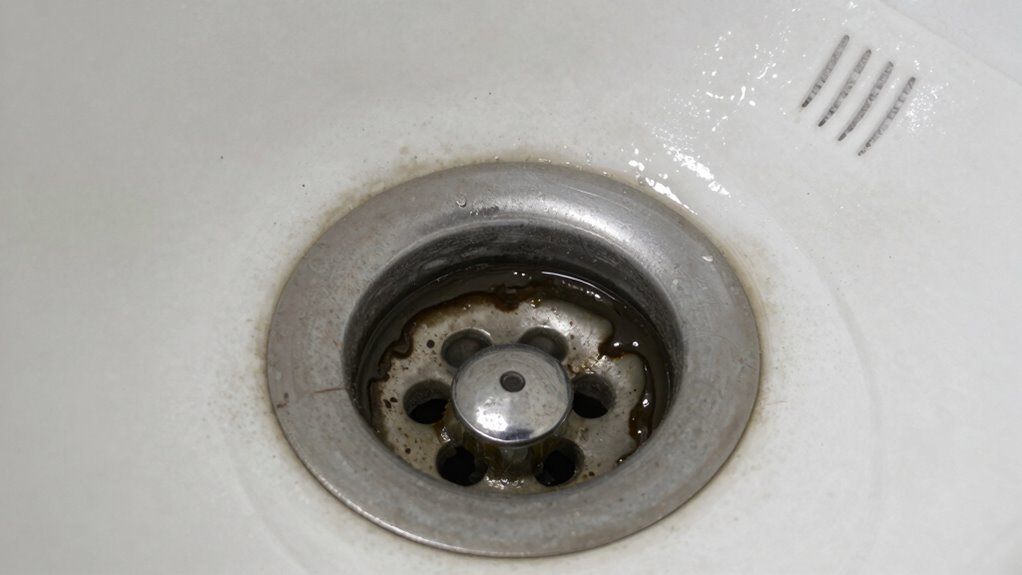

To tackle bathroom odors effectively, start by inspecting your drains for biofilm buildup, which traps bacteria and causes foul smells; regular cleaning with baking soda, vinegar, or specialized products can help. Improve airflow by installing or maintaining exhaust fans, and keep windows open when possible. Address hidden mold and ensure proper hygiene around fixtures. By focusing on these key areas, you can substantially reduce odors—continue exploring for more tips to freshen your bathroom naturally and efficiently.
Key Takeaways
- Biofilm buildup in drains is a primary source of persistent bathroom odors, requiring regular cleaning and disinfecting.
- Proper ventilation, including exhaust fans and natural airflow, helps remove moisture and prevent mold-related smells.
- Routine drain maintenance with baking soda, vinegar, or enzyme-based cleaners prevents biofilm formation.
- Addressing hidden mold and ensuring surfaces are dry reduces odor-causing bacteria and fungi.
- Combining odor-neutralizing products with good ventilation and drain hygiene offers comprehensive odor control.
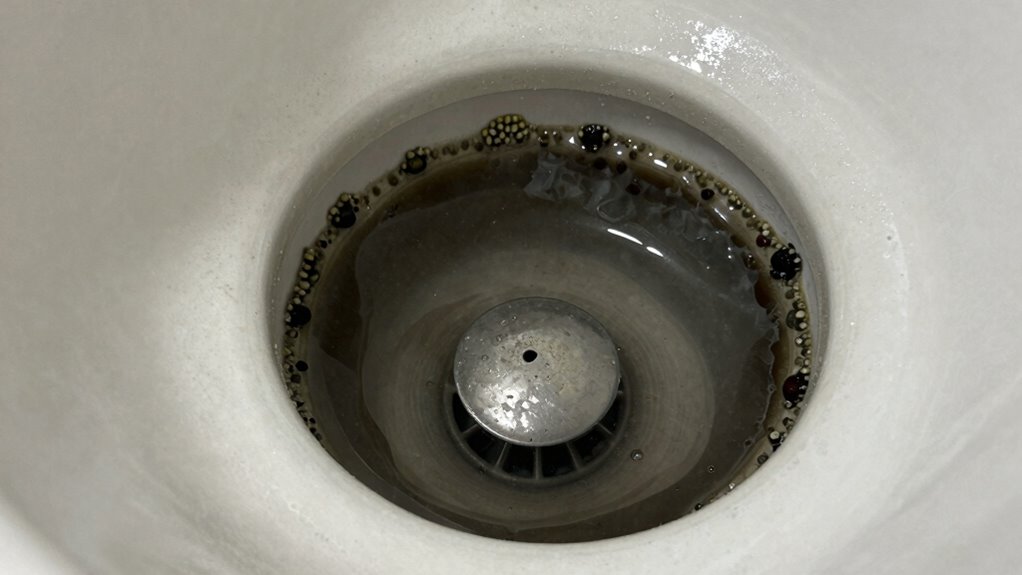
Bathroom odors can quickly become a frustrating problem, especially if you don’t identify the source. Often, the smell isn’t just surface-level; it’s caused by deeper issues like biofilm buildup in drains, poor ventilation, or hidden mold. To tackle this, you need a strategic approach that addresses both the root causes and the surface odors. Starting with air freshener options can help mask unpleasant smells temporarily, but it’s essential to pair these with odor prevention tips that target the real problem.
When choosing air freshener options, look for products that not only mask odors but also neutralize them. Sprays, plug-ins, and diffusers with enzyme-based formulas work well because they break down odor-causing molecules instead of just covering them up. Consider using natural options like essential oil diffusers or potpourri for a fresher, chemical-free alternative. Remember, relying solely on air fresheners isn’t enough—use them as part of a broader odor management plan.
Odor prevention tips should focus on eliminating the source of the smell. One common culprit is biofilm in drains. Over time, a slimy layer of bacteria and organic matter forms inside pipes, giving off foul odors that seep into the bathroom. Regularly cleaning drains with a mixture of baking soda and vinegar or using specialized drain cleaning products can reduce this buildup. Don’t forget to flush the drain thoroughly afterward to wash away loosened debris. Maintaining good hygiene around toilet bases and sinks also prevents mold and mildew from thriving, which can contribute to persistent odors.
Ventilation plays a vital role in controlling bathroom smells. If your bathroom lacks proper airflow, odors linger longer. Installing an exhaust fan or ensuring existing vents are clean and functioning correctly can make a difference. Run the fan during and after showering or bathing to remove moisture and reduce mold growth, which often causes musty smells. If venting isn’t possible, open a window or door after use to let fresh air circulate. Keep an eye on humidity levels—using a dehumidifier can help keep moisture out of the air, discouraging odor-causing bacteria and mold from multiplying. Additionally, integrating smart ventilation systems with sensors can optimize airflow based on humidity levels, further improving odor control.
Frequently Asked Questions
How Do Biofilms Form in Bathroom Drains?
Biofilm formation in bathroom drains happens when drain bacteria stick to surfaces and produce a slimy layer. Over time, moisture, soap scum, and organic debris feed this bacteria, allowing the biofilm to grow and multiply. As the bacteria continue to thrive, they form a resilient, sticky film that’s hard to remove. Regular cleaning and reducing organic buildup help prevent biofilms from developing and keep your drains fresh.
Can Ventilation Systems Completely Eliminate Bathroom Odors?
Ventilation systems can substantially reduce bathroom odors, but they can’t completely eliminate them. The key is airflow effectiveness, which depends on proper vent design and installation. Regular vent maintenance guarantees peak performance, preventing blockages and leaks. You should also guarantee the vent fan runs during and after use to keep odors at bay. While effective, combining ventilation with other odor control methods offers the best results.
Are There Eco-Friendly Methods to Remove Biofilm Buildup?
Did you know that biofilm can harbor harmful bacteria, making eco-friendly removal essential? You can effectively eliminate biofilm buildup using natural solutions like vinegar, baking soda, or hydrogen peroxide, which are safe and chemical-free alternatives. These methods not only reduce environmental impact but also keep your bathroom healthier. Regularly scrubbing surfaces and maintaining good ventilation further prevent biofilm formation, ensuring your bathroom stays fresh without relying on harsh chemicals.
How Often Should Bathroom Vents Be Cleaned?
You should clean your bathroom vents at least once every six months to maintain air quality and reduce odor sources. Regular cleaning prevents dust, mold, and biofilm buildup that can cause unpleasant smells. If you notice persistent odors or reduced ventilation, consider cleaning more frequently. Proper maintenance guarantees your bathroom air stays fresh, and it helps eliminate odor sources linked to biofilm and debris that can accumulate in vents over time.
Do Certain Bathroom Materials Prevent Odor Problems?
Yes, certain bathroom materials can help prevent odor problems. Choose materials with good mold prevention qualities, like ceramic or porcelain, which resist mold and mildew buildup. Opt for durable surfaces that withstand moisture and frequent cleaning, reducing biofilm formation. Using these materials minimizes odor issues since they keep your bathroom cleaner and fresher longer, making maintenance easier and preventing unpleasant smells from developing over time.
Conclusion
Now that you know the causes behind bathroom odors—biofilm, drains, and ventilation—you can tackle them head-on. Think of your bathroom as a delicate ecosystem; when one part falters, the whole space suffers. Regular cleaning, proper ventilation, and drain maintenance act like a gust of fresh air, keeping odors at bay. Take control now, and turn your bathroom into a pristine sanctuary where unwanted smells don’t stand a chance.