
Carbon monoxide is a silent threat in homes, with symptoms like headaches, dizziness, and nausea that can easily be mistaken for illness. To stay safe, I recommend installing reliable CO detectors near sleeping areas and on every level of your home, testing them regularly. Proper venting of fuel appliances is also essential to prevent buildup. If you want to know more about keeping your home safe from CO, keep going—there’s important information ahead.
Key Takeaways
- Symptoms of CO poisoning include headaches, dizziness, nausea, and confusion, which mimic common illnesses and require prompt attention.
- Installing CO detectors near sleeping areas and on every home level provides early warning of dangerous CO levels.
- Proper venting of fuel-burning appliances ensures combustion gases are safely expelled outside, preventing CO buildup indoors.
- Regular maintenance and inspection of appliances and venting systems help prevent leaks and blockages that can cause CO poisoning.
- Combining reliable detectors with correct venting practices and prompt response minimizes health risks from carbon monoxide exposure.

Have you ever wondered what makes carbon monoxide so dangerous? It’s a silent threat that can lurk unnoticed in our homes, posing serious risks to our health. Understanding the connection between indoor air quality and combustion safety is essential because carbon monoxide (CO) is a byproduct of incomplete combustion. When fuel-burning appliances like furnaces, water heaters, or stoves malfunction or aren’t properly vented, CO can accumulate indoors, reducing air quality and endangering everyone inside. That’s why guaranteeing combustion safety isn’t just about preventing fires; it’s about protecting your breathing space and your life.
Carbon monoxide risks from faulty appliances threaten indoor air quality and health safety.
Indoor air quality often gets overlooked when we think about health hazards, but CO is a major concern because it’s odorless, colorless, and tasteless. You won’t notice it building up until symptoms appear, which makes detection critical. The symptoms, like headaches, dizziness, or nausea, can mimic other common illnesses, so many people dismiss them. If exposure continues, it can lead to unconsciousness or even death. That’s why having reliable detectors in your home is indispensable. CO detectors alert you early, giving you a chance to ventilate the area or shut off appliances before danger escalates. Proper placement of these detectors—usually near sleeping areas and on every level—is key to effective monitoring.
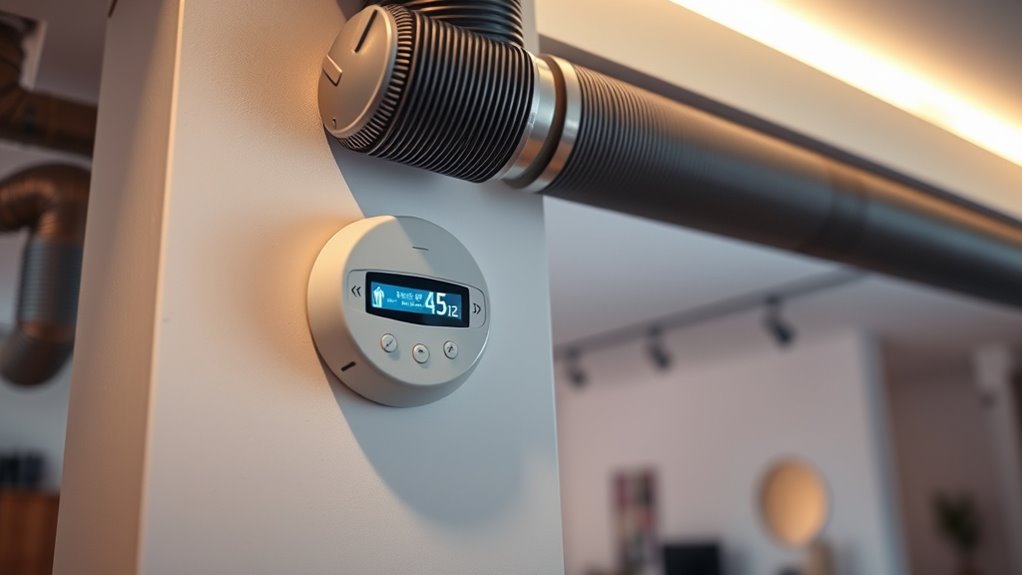
Venting systems play a fundamental role in maintaining safe indoor air quality. They are designed to carry away combustion gases safely outside your home. Regular inspections of your vents and chimneys are necessary because blockages, leaks, or corrosion can cause dangerous CO buildup. When venting isn’t working properly, CO can seep back into your living spaces, compromising safety. It’s not just about installing a detector; it’s about guaranteeing your entire combustion safety system is functioning correctly. Proper venting prevents the accumulation of CO and maintains good indoor air quality, which is crucial for your health and peace of mind.
Venting basics involve checking that vents are clear, well-maintained, and correctly connected to their appliances. Using high-quality materials and following manufacturer instructions helps prevent leaks. When you have a heating system or appliance that burns fuel, always guarantee it’s serviced regularly by professionals. They can spot potential issues before they become hazards. Additionally, understanding asset division laws can help in the event of a legal dispute over the ownership of these appliances or related property. In the end, combining good combustion safety practices with reliable detection and proper venting ensures your indoor environment remains safe and healthy. It’s a simple but effective way to protect yourself and your loved ones from this invisible threat.
Frequently Asked Questions
How Often Should Carbon Monoxide Detectors Be Tested and Replaced?
You should test your carbon monoxide detectors at least once a month to guarantee they’re working properly. For detector maintenance, it’s also essential to replace the units according to the manufacturer’s recommended replacement schedule, typically every 5 to 7 years. Regular testing and timely replacement help keep your home safe by ensuring your detector functions correctly in case of CO buildup. Don’t forget to check batteries regularly as well.
Can Carbon Monoxide Poisoning Occur Outdoors?
Think of outdoor exposure as a bustling marketplace where fresh air flows freely, making CO poisoning unlikely. Yes, it can occur outdoors if there’s poor air circulation—like near a running vehicle or outdoor grill in enclosed spaces. Just like a hidden trap, CO can accumulate where air is stagnant. So, always guarantee good ventilation, even outside, especially around appliances or engines that produce carbon monoxide.
Are There Specific Safety Tips for Venting Appliances?
Yes, there are specific venting guidelines I follow to guarantee appliance safety. I always make sure vents are clear of obstructions and properly installed according to manufacturer instructions. Regular inspections help prevent dangerous buildup of carbon monoxide. I also avoid venting appliances into enclosed spaces and keep vents clean. Staying vigilant with these venting tips keeps my home safe and reduces the risk of carbon monoxide poisoning.
What Are the Long-Term Health Effects of Low-Level Exposure?
Long-term low-level exposure to carbon monoxide can lead to chronic health issues, especially affecting my neurological health. I might experience headaches, dizziness, or memory problems over time. It’s vital to have detectors and proper venting, so I reduce these risks. Staying vigilant helps prevent these subtle but serious effects, ensuring my long-term well-being and peace of mind.
How Do Different Household Heating Methods Affect CO Risk?
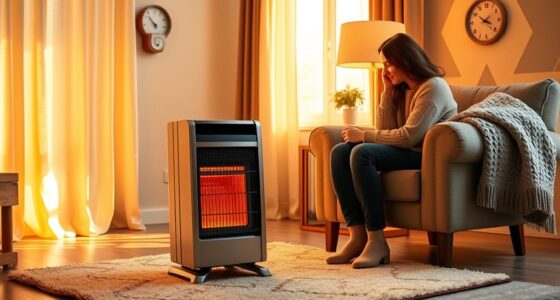
Different household heating methods impact CO risk considerably. Combustion appliances like furnaces, water heaters, and fireplaces can produce CO if not properly maintained or vented. Central heating systems generally pose less risk if inspected regularly, but space heaters and unvented appliances increase danger. I always make sure my combustion appliances are serviced annually and have working CO detectors, so I stay safe regardless of my heating choice.
Conclusion
Remember, carbon monoxide is called the “silent killer” because it’s odorless and deadly. Installing detectors can cut your risk markedly—studies show households with CO alarms are 50% less likely to experience poisoning. Just knowing the basics of venting and symptoms can make a big difference in keeping you and your loved ones safe. Stay vigilant, be proactive, and don’t underestimate the importance of prevention—your safety depends on it.