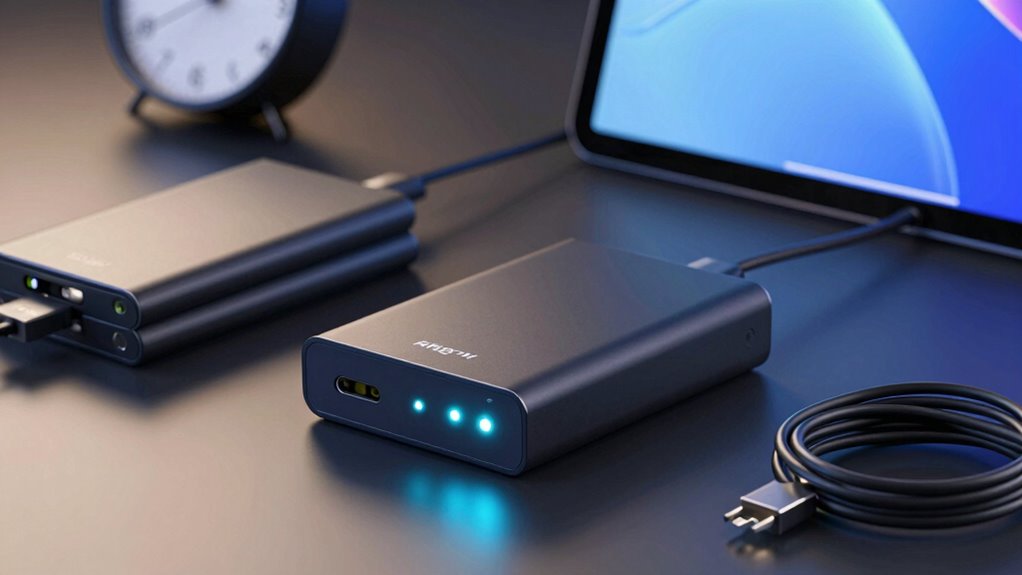

To keep your crucial devices powered during outages, focus on medical equipment like oxygen concentrators and CPAP machines, communication tools such as cell phones and radios, and essential appliances like refrigerators and sump pumps. Prioritize these based on importance and how long you’ll need them to run. Using battery backups and renewable energy sources can boost reliability and sustainability. For a thorough plan to protect your critical devices, continue exploring key strategies below.

Get oils, diffusers and self-care delivered free with Prime
- Fast, free delivery on millions of items
- Prime Video, Amazon Music and more included
- Member-only deals all year
Key Takeaways
- Prioritize medical devices like oxygen concentrators and CPAP machines for health and safety.
- Keep communication tools such as cell phones and radios operational for alerts and contact.
- Ensure essential household appliances like refrigerators and sump pumps remain functional to maintain safety and food.
- Use renewable energy sources like solar panels to sustainably extend backup power during outages.
- Regularly maintain batteries and renewable systems to ensure reliable operation when needed most.

Preparing a solid battery backup plan guarantees your critical devices stay powered during outages. When you think about emergency preparedness, having a reliable source of backup power isn’t just a convenience—it’s a necessity for maintaining safety and stability when the grid goes down. Incorporating renewable energy sources into your backup strategy can offer a sustainable, cost-effective way to keep essential devices running longer. Solar-powered backup systems, for example, harness the sun’s energy during the day and store it in batteries, reducing your reliance on fossil fuels and lowering long-term costs. This approach not only enhances your emergency preparedness but also aligns with environmentally conscious choices, helping you reduce your carbon footprint during emergencies.
A reliable, renewable backup power plan ensures safety and sustainability during outages.
Understanding which devices are critical is the first step in effective battery backup planning. These include medical devices like oxygen concentrators or CPAP machines, communication tools such as cell phones and radios, and essential household appliances like refrigerators and sump pumps. Keeping these devices operational during power outages ensures your safety, ability to communicate, and the preservation of perishable food or prevention of flooding. Prioritize devices based on their importance and how long you might need them powered without external electricity.
Once you’ve identified your critical devices, choose the right type of backup power supply. Deep-cycle batteries, like lithium-ion or lead-acid, are popular choices because they provide sustained energy over extended periods. For a more eco-friendly solution, consider integrating renewable energy systems with your battery setup. Solar panels, for example, can charge your batteries during the day, offering a clean energy source that reduces your dependence on grid power. This setup not only boosts your emergency preparedness but also aligns with sustainable living principles, ensuring you’re less vulnerable during prolonged outages caused by storms, grid failures, or other disruptions. Additionally, understanding the contrast ratio of your projector can help you create a better viewing environment in your home cinema, enhancing your overall experience. Regular maintenance and testing of your battery backup system are crucial. This includes checking battery levels, ensuring connections are secure, and verifying that your renewable energy components are functioning properly. Keeping a maintenance schedule helps you identify potential issues before an emergency strikes, giving you peace of mind. Additionally, understanding your system’s capacity and limitations allows you to plan for longer outages, whether through additional batteries or larger solar arrays. Planning ahead ensures you can maximize your renewable energy resources, stay prepared for emergencies, and keep your critical devices powered when you need them most.
As an affiliate, we earn on qualifying purchases.
Frequently Asked Questions
How Long Should My Battery Backup Last During an Outage?
Your battery backup should last at least 4 to 6 hours during an outage, ensuring adequate power duration for essential devices. This helps you stay prepared and prevents interruptions in critical tasks. Consider your outage preparedness by prioritizing devices that need continuous power, like medical equipment or communication tools. Regularly test your backup system to confirm it can sustain your needs, so you’re never caught off guard when the power goes out.
What Safety Precautions Are Necessary When Handling Backup Batteries?
Ever wondered how to stay safe when handling backup batteries? You should always wear protective gloves and eye gear, avoid metal tools that could cause sparks, and handle batteries in a well-ventilated area. Proper battery maintenance and emergency preparedness are key. Keep batteries upright, check for leaks, and dispose of damaged units properly. Are you ready to guarantee safety while maintaining your backup power? Safety first keeps everyone protected.
Can I Upgrade My Existing Battery Backup System?
Yes, you can upgrade your existing battery backup system to improve performance. Consider increasing the battery capacity to extend backup time or integrating solar power to enhance efficiency. Upgrading may involve adding more batteries or switching to a higher-capacity model. Make sure your system supports solar integration if you want to incorporate renewable energy. Consult a professional to ensure compatibility and safety during the upgrade process.
How Do I Properly Dispose of Old or Damaged Batteries?
Think of disposing of old batteries like handling hazardous waste at a chemical plant—you need caution and proper procedures. You should take your damaged or used batteries to a certified battery recycling facility, not toss them in the trash. Recycling helps prevent environmental harm and keeps hazardous waste out of landfills. Always check local regulations for proper disposal methods, and never attempt to dismantle or burn batteries yourself.
What Factors Influence the Cost of a Battery Backup System?
The cost of your battery backup system depends on factors like battery chemistry, which affects performance and price, and installation costs, including professional setup and wiring. You should also consider system capacity and brand reputation, as higher capacity and trusted brands tend to cost more. Keep in mind that advanced chemistries, such as lithium-ion, often have higher upfront costs but offer greater longevity and efficiency, balancing initial expenses with long-term savings.
Conclusion
Think of your backup devices as the steady anchors in your stormy sea. When the power flickers or fails, they keep your world running smoothly, like a lighthouse guiding you safely home. By planning carefully and keeping these devices alive, you’re building a fortress of reliability around your daily life. Don’t let a blackout leave you adrift—invest in your backup plan today, and turn potential chaos into calm, like a calm harbor after a wild storm.
Columbus Day / Indigenous Peoples' Day Picks
long weekend sales
As an affiliate, we earn on qualifying purchases.