
Tinnitus causes vary, but often it’s linked to hearing loss, loud noise exposure, or ear infections. Triggers like stress, caffeine, and alcohol can make it worse. To cope, I recommend sound therapy with white noise or calming sounds, which helps mask the internal noise. Managing stress using relaxation techniques also makes a difference. If you’re curious about more ways to handle it and improve your comfort, keep exploring these tips further.
Key Takeaways
- Tinnitus is the perception of internal ringing or buzzing sounds not heard externally, often worsened by quiet environments.
- Common causes include hearing loss, loud noise exposure, ear infections, and stress.
- Stress can amplify tinnitus; managing it with relaxation techniques reduces symptom severity.
- Sound therapy using background noises helps mask tinnitus and retrain the brain to diminish its perception.
- Consistent use of calming sounds and lifestyle adjustments support better coping and improved quality of life.

Have you ever heard a ringing, buzzing, or hissing sound that seemed to come from nowhere? If you have, you’re not alone. Tinnitus can be incredibly frustrating because it’s an internal noise that others can’t hear, yet it feels so real. It often worsens during quiet moments, making it challenging to focus or relax. I’ve found that understanding what causes this condition can help me better manage it. While tinnitus isn’t always linked to a specific health issue, it’s frequently associated with hearing loss, exposure to loud noises, or ear infections. Stress also plays a significant role, as it can amplify the perception of ringing and make the sounds feel more overwhelming. That’s why stress management techniques are essential in coping with tinnitus. Managing stress isn’t just about feeling calmer; it can actually reduce the intensity of the sounds I hear and improve my overall quality of life.
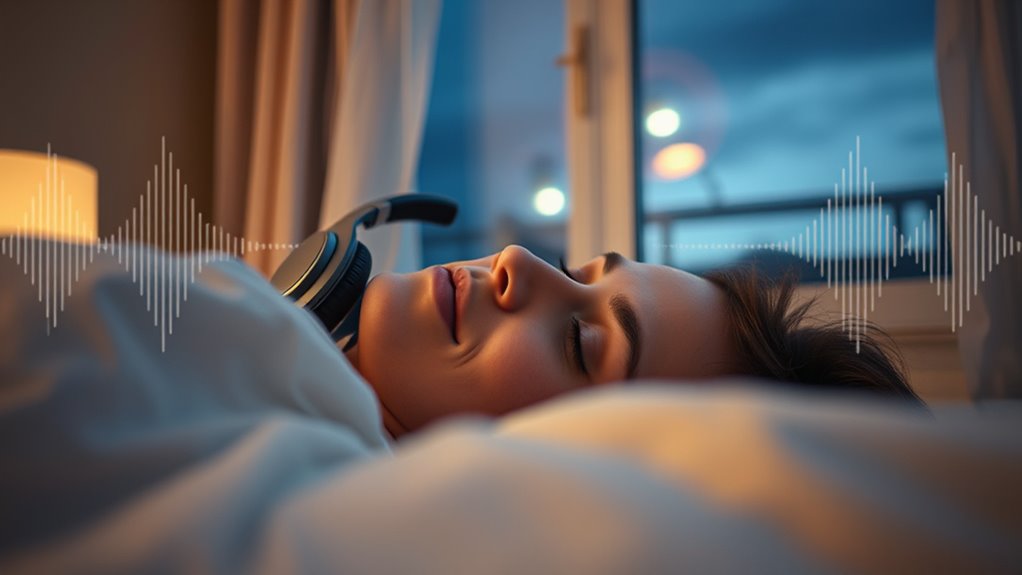
One approach I’ve found helpful is sound therapy. It involves using background sounds—like white noise, nature sounds, or ambient music—to mask the tinnitus. By introducing pleasant or neutral sounds into my environment, I can lessen the prominence of the ringing or buzzing. Sound therapy works by retraining my brain to focus less on the internal noise, making it easier to relax and concentrate. It’s a simple yet effective tool in my stress management arsenal. I often keep a fan or a white noise machine on while I sleep, which not only helps me rest better but also reduces the perception of tinnitus during the night. I’ve also experimented with listening to calming music during the day to divert my attention away from the sounds. The key is consistency—regularly using sound therapy helps my brain adapt and diminishes the impact of tinnitus over time. Additionally, understanding the role of sound vibrations in healing practices can further support relaxation and symptom management.
Stress management techniques such as deep breathing, meditation, and mindfulness have been game-changers for me. When I’m feeling overwhelmed, these practices help lower my overall stress levels, which in turn diminishes the intensity of my tinnitus. It’s a cycle—less stress means less perception of the sounds, which makes me feel even more relaxed. I’ve learned that avoiding caffeine and alcohol can also help, as these substances can increase tinnitus symptoms and stress. Overall, understanding the role of sound therapy and stress management has empowered me to take control of my tinnitus. It’s not about eliminating the sounds entirely but finding ways to coexist with them comfortably. If you’re dealing with tinnitus, exploring these strategies could make a significant difference in your daily life.
Frequently Asked Questions
Can Tinnitus Be Completely Cured?
No, tinnitus can’t usually be completely cured, but I’ve found that sound therapy and stress management make a huge difference. These techniques help me mask the ringing and reduce its impact on my life. While I still experience tinnitus, managing stress and using sound therapy allows me to cope better daily. I believe staying proactive with these methods can markedly improve quality of life, even if the ringing persists.
How Does Age Affect Tinnitus Development?
Age affects tinnitus development like a winding river shaping its course over time. As I’ve learned, age-related hearing loss is a key factor, making older adults more prone to tinnitus. Demographic influences also play a role, with exposure to noise and health conditions impacting risk. I’ve noticed that as we age, our vulnerability to tinnitus increases, highlighting the importance of protecting hearing and managing ear health throughout life.
Are There Natural Remedies for Tinnitus Relief?
Yes, there are natural remedies for tinnitus relief I’ve found helpful. Herbal supplements like ginkgo biloba and zinc can sometimes reduce symptoms, though results vary. I also use sound therapy—playing calming sounds—to mask the ringing and ease my mind. While these aren’t cures, they can make a noticeable difference in managing the noise. Always check with your healthcare provider before trying new remedies, though.
Can Tinnitus Cause Hearing Loss?
Did you know that about 30% of people with tinnitus also experience hearing loss? I’ve learned that tinnitus can indeed cause hearing loss if it’s linked to damage in the cochlea or auditory nerve. When the cochlea sustains damage, it disrupts sound signals to the brain, leading to hearing difficulties. So, if you notice persistent tinnitus, it’s wise to get checked, as it might signal underlying auditory nerve or cochlear issues.
Is Tinnitus Linked to Mental Health Conditions?
Yes, tinnitus is linked to mental health conditions, including anxiety and depression. I’ve found that the constant ringing can heighten anxiety, making it feel overwhelming. The mental health links are real, and managing stress and emotional health often helps reduce tinnitus symptoms. If you notice anxiety connections with your tinnitus, it’s important to seek support, as addressing both can improve your overall well-being and quality of life.
Conclusion
If you’re experiencing tinnitus, know you’re not alone—about 15% of the global population is affected. While it can be frustrating, understanding its causes and triggers empowers you to manage it better. Remember, many find relief through coping techniques like sound therapy and stress reduction. Don’t hesitate to seek support or explore different strategies. With patience and persistence, you can regain control and improve your quality of life despite the ringing.