
If you have Meniere’s disease, you might experience vertigo, ringing in your ears, and a feeling of fullness in the ear. Triggers like stress, high salt intake, caffeine, and weather changes can make episodes worse. Managing symptoms often involves a low-sodium diet, staying hydrated, and avoiding caffeine or alcohol. Learning about your personal triggers and lifestyle changes can help control episodes, and there’s more to discover about effectively managing this condition.
Key Takeaways
- Meniere’s disease causes inner ear fluid buildup, leading to vertigo, tinnitus, and pressure sensations.
- Common triggers include stress, high salt intake, caffeine, alcohol, and atmospheric changes.
- Symptoms typically occur in episodes lasting minutes to hours, impacting balance and daily activities.
- Management involves a low-sodium diet, hydration, medications like diuretics, and lifestyle adjustments.
- Understanding inner ear function and identifying personal triggers can help reduce episode frequency and severity.

Have you ever experienced sudden dizziness or a feeling of fullness in your ear? If so, you’re not alone. I’ve been there, and I know how unsettling it can be. Meniere’s disease is a condition that affects the inner ear, specifically the vestibular system, which is responsible for balance and spatial orientation. When this system malfunctions, it throws off your equilibrium, leading to those unpredictable episodes of vertigo and imbalance.
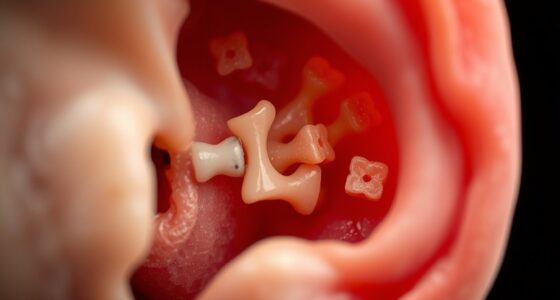
The inner ear is a tiny, complex structure, but it plays a huge role in how we perceive our environment. Within it, the vestibular system helps us stay upright and coordinate our movements. In Meniere’s disease, fluid buildup occurs inside the inner ear’s labyrinth, disrupting the normal functioning of this system. This excess fluid causes abnormal signals to be sent to the brain, resulting in vertigo, ringing in the ears (tinnitus), and a sensation of fullness or pressure. These symptoms often come in episodes, lasting from minutes to hours, but the impact on daily life can be profound.
What triggers these episodes? For many, it’s a combination of factors. Stress, fatigue, dietary choices like high salt intake, caffeine, or alcohol can all play a role. Changes in atmospheric pressure, infections, or allergies may also set off symptoms. I’ve learned to pay close attention to my body’s signals and identify my personal triggers. Managing these factors has helped me reduce the frequency and severity of attacks.
Living with Meniere’s disease requires a proactive approach. I’ve found that a low-sodium diet can help control fluid retention in the inner ear. Staying well-hydrated and avoiding caffeine or alcohol makes a noticeable difference. Medications like diuretics are often prescribed to manage fluid levels, but I’ve also relied on lifestyle adjustments, such as avoiding sudden head movements and ensuring I get enough rest. For severe cases, some people opt for more invasive treatments, but I prefer to start with conservative management. Additionally, understanding inner ear physiology can aid in better managing the condition and exploring targeted therapies.
Living with Meniere’s means managing diet, hydration, and lifestyle to reduce episodes and maintain balance.
Understanding the inner ear and how the vestibular system functions has made me more aware of my body’s signals. While Meniere’s can be unpredictable, knowing what triggers episodes and how to manage them allows me to regain control. It’s essential for anyone experiencing these symptoms to consult a healthcare professional who specializes in balance disorders. With the right strategies, you can minimize the impact of this condition and improve your quality of life.
Frequently Asked Questions
Can Meniere’s Disease Be Cured Completely?
No, Meniere’s disease can’t be completely cured yet. I focus on managing it through diet modifications and exploring alternative therapies to reduce symptoms and frequency of attacks. While these strategies help me maintain better control, I understand the condition is ongoing. It is crucial to work with a healthcare professional to tailor a plan that suits your needs, as complete elimination isn’t currently possible, but good management makes a big difference.
Are There Natural Remedies Effective for Managing Symptoms?
Yes, I’ve found that natural remedies like herbal supplements and dietary changes can help manage Meniere’s symptoms. I recommend trying ginger or ginkgo biloba, which may improve circulation and reduce vertigo. Additionally, cutting back on salt and caffeine can lessen fluid retention and pressure in the ear. While these remedies aren’t cures, they can support your overall well-being and symptom control when combined with medical advice.
How Does Stress Influence Meniere’s Episodes?
Imagine a tightrope walker, balancing precariously—stress acts the same way on my Meniere’s episodes. Stress management is essential because emotional triggers can worsen symptoms like vertigo and tinnitus. When I let stress build up, my episodes become more frequent and intense. By practicing relaxation techniques and avoiding emotional triggers, I find it easier to maintain balance and reduce the severity of my symptoms.
Is Meniere’s Disease Hereditary?
Yes, Meniere’s disease can have a hereditary component. I’ve read that a genetic predisposition and family history might increase your chances of developing it. While the exact cause isn’t fully understood, if someone in your family has experienced Meniere’s, it’s worth discussing with your doctor. Knowing your family history can help in early detection and management, so don’t hesitate to seek advice if you’re concerned.
What Are the Latest Advances in Treatment Options?
Recent advances in treating Meniere’s Disease include Vestibular Rehabilitation, which helps improve balance and reduce vertigo episodes. Emerging medications, like novel anti-vertigo drugs and targeted therapies, show promise in managing symptoms more effectively. I stay updated on these options and work with specialists to tailor treatments, aiming for better quality of life. If you’re exploring treatment, discussing these options with your doctor might be beneficial.
Conclusion
Living with Meniere’s feels like steering a stormy sea, where each symptom is a wave threatening to pull me under. But understanding my triggers and managing my symptoms is like finding a steady lighthouse guiding me safely through the darkness. This journey teaches me resilience, turning chaos into calm. Remember, even in the storm, there’s a beacon of hope—your inner strength. Trust it to help you weather every tide that comes your way.