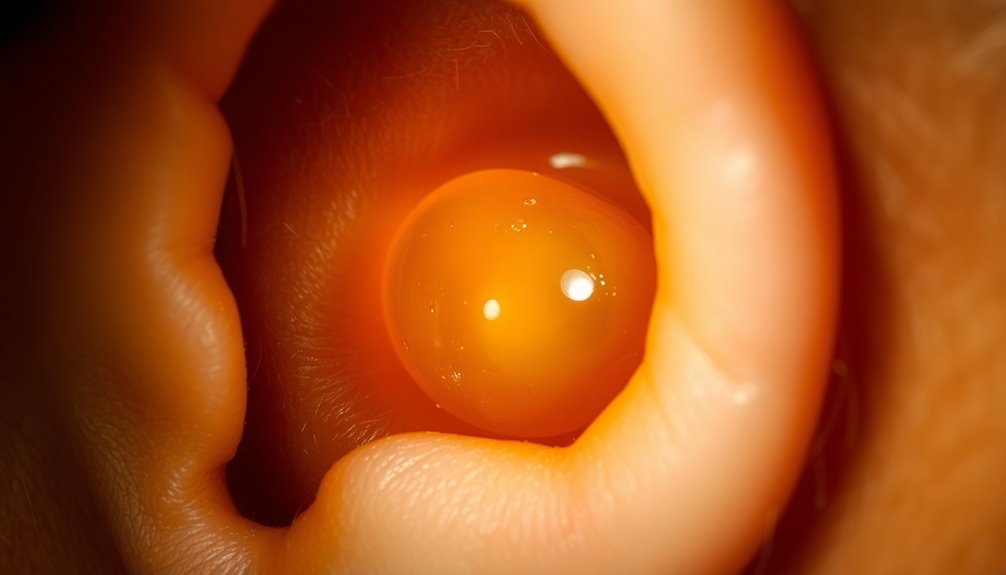

When I fly, I notice pressure in my ears because rapid altitude changes affect the surrounding air pressure, and my Eustachian tube struggles to equalize it. To prevent discomfort, I swallow, yawn, or chew gum during takeoff and landing. Using a gentle Valsalva maneuver with a pinched nose can also help. If you want to learn how to keep your ears comfortable on flights and avoid pain, there’s more helpful advice to discover.
Key Takeaways
- Changes in altitude cause pressure differences that the Eustachian tube must equalize to prevent discomfort.
- Swallowing, yawning, or performing the Valsalva maneuver helps open the Eustachian tube and relieve pressure.
- Congestion from colds or allergies blocks the Eustachian tube, increasing the risk of ear pressure problems during flights.
- Using decongestant sprays before takeoff and descent can help maintain Eustachian tube function.
- Staying hydrated and avoiding alcohol or sleep aids prevents impaired pressure regulation during air travel.
Have you ever experienced that uncomfortable feeling of ear pressure during a flight? I know I have, and it can be pretty unsettling. The cause boils down to changes in altitude, which directly impact the pressure inside your ears. When a plane ascends or descends, the air pressure around us shifts rapidly, but our ears don’t always adjust as quickly. That’s where the Eustachian tube comes into play. This tiny, but essential, passage connects the middle ear to the back of your throat. Its job is to equalize the pressure between the middle ear and the environment. When the altitude changes during a flight, the Eustachian tube should open to let air flow in or out, balancing the pressure. But sometimes, it doesn’t open easily, leading to that tight, uncomfortable feeling in your ears.
The problem is especially common during descent, when the cabin pressure drops quickly. If your Eustachian tube isn’t functioning properly, the pressure difference causes that familiar sensation of fullness or even pain. In some cases, I’ve felt a muffled sound or slight dizziness, which is no fun at all. What’s frustrating is how easily this can be prevented or alleviated, but many travelers are unaware of the simple techniques that can help. For instance, swallowing frequently helps activate the muscles that open the Eustachian tube. Chewing gum or sucking on hard candy can also stimulate swallowing, making it easier for your ears to adapt to pressure changes. Yawning is another effective method because it naturally opens the Eustachian tube.
Another trick I’ve found helpful is the Valsalva maneuver—gently blowing with your nose pinched shut. This action pushes air into the Eustachian tube, helping to equalize the pressure. However, I always advise doing this carefully to avoid damaging your ears. Staying hydrated and avoiding alcohol or sleeping pills before flying can also keep your Eustachian tube functioning smoothly. If you have a cold or allergies, congestion can block the tube, making pressure changes more intense. In those cases, using a decongestant spray before takeoff and descent can help keep your Eustachian tube clear. Studies also show that maintaining good ear health and avoiding buildup can significantly reduce pressure issues during flights.
Understanding the role of the Eustachian tube and how altitude change affects it is key to preventing ear pressure discomfort. Next time you fly, remember these simple tips to keep your ears comfortable and avoid that unpleasant pressure feeling. It’s a small effort that can make a big difference in your flying experience.
Frequently Asked Questions
Can Ear Pressure Issues Occur During Descent Only?
No, ear pressure issues can happen during both ascent and descent, not just during descent. This is because of Eustachian tube dynamics, which regulate air pressure in your middle ear, and cabin pressure adjustments that occur throughout the flight. During ascent, the pressure drops quickly, and during descent, it increases again. Both phases can cause discomfort if your Eustachian tubes don’t equalize properly, so it’s good to be prepared.
Are Children More Susceptible to Ear Pressure Problems?
Yes, children are more susceptible to ear pressure problems because their Eustachian tubes are smaller and more horizontal, making it harder for them to equalize pressure. I recommend pediatric prevention techniques like encouraging swallowing or yawning during descent to reduce child discomfort. Using specially designed earplugs can also help. Being proactive guarantees a more comfortable flight experience for your little one, preventing unnecessary distress caused by ear pressure.
Is There a Difference Between Ear Barotrauma and Pressure Discomfort?
Did you know about 10% of travelers experience ear barotrauma? To answer your question, yes, there’s a difference between ear barotrauma and pressure discomfort. Ear barotrauma involves damage or injury caused by rapid pressure changes, while pressure discomfort is usually mild, feeling like fullness or mild pain. I’ve found that understanding this helps me prevent serious issues by equalizing ear pressure early.
Can Altitude Changes in Non-Flight Situations Cause Ear Pressure?
Altitude effects in non-flight situations can definitely cause ear pressure. When I change altitudes quickly, like during a mountain drive or elevator ride, I notice my ears feel clogged or painful. These sudden altitude shifts affect the pressure balance in my ears, similar to flying. To prevent discomfort, I try yawning, swallowing, or using the Valsalva maneuver to equalize ear pressure during these altitude changes.
Do Certain Medical Conditions Increase the Risk of Ear Pressure Issues?
Yes, certain medical conditions, like ear infections or sinus issues, can increase the risk of ear pressure problems during flights. When I have ear infections, I notice my ears are more sensitive to altitude changes, making pressure discomfort worse. If you have these conditions, it’s a good idea to consult a doctor before flying. Taking precautions, like using decongestants, can help reduce the chances of experiencing painful ear pressure.
Conclusion
Next time you’re on a flight, remember that tiny, invisible pressure change can make your ears feel like they’re about to burst. But now that you know the why and how, you’ve got the power to prevent it. Imagine landing smoothly, ears perfectly clear, ready to enjoy your destination. The secret’s in your hands—don’t let this tiny discomfort hold you back. Are you ready to conquer that pressure and take off with confidence?