
TL;DR

Get oils, diffusers and self-care delivered free with Prime
- Fast, free delivery on millions of items
- Prime Video, Amazon Music and more included
- Member-only deals all year
Hydrogen peroxide is widely used for cleaning and first aid, but improper use can pose health risks. Experts warn against five common mistakes that could be dangerous.
Health and safety experts warn that common mistakes in using hydrogen peroxide can lead to health risks, emphasizing the importance of correct handling and application to prevent injury or ineffective cleaning.
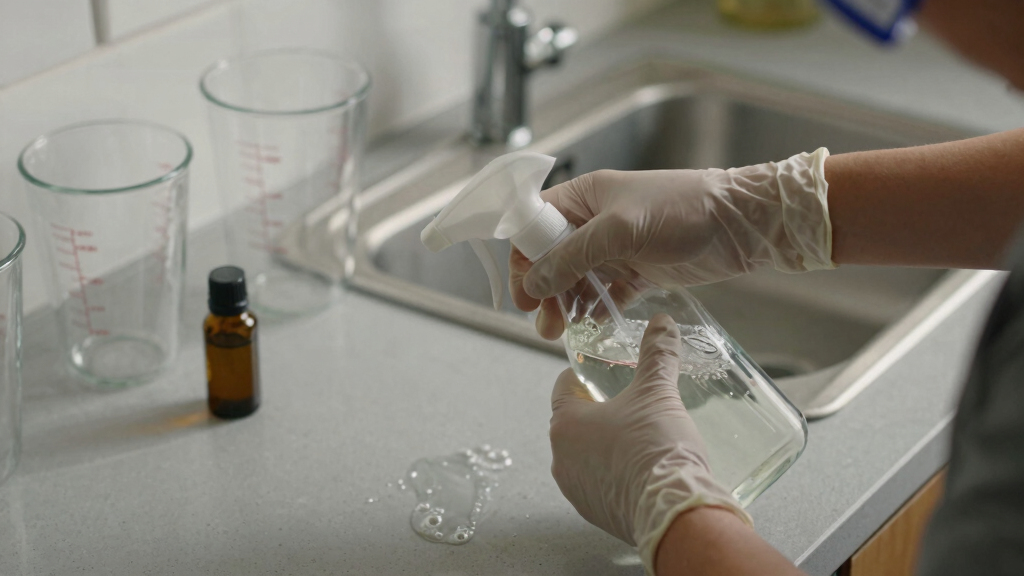
Hydrogen peroxide is a versatile household cleaner and first aid staple, but misuse can cause harm. Experts advise against using it to clean deep cuts, as it can damage healthy tissue and delay healing. Additionally, wearing gloves is recommended to prevent skin burns, especially with solutions above 3 percent concentration. Mixing hydrogen peroxide with vinegar creates peracetic acid, a corrosive substance that can irritate skin, eyes, and respiratory pathways. It is also dangerous to ingest hydrogen peroxide, as even low concentrations can cause mouth, stomach, and esophageal injuries. Lastly, if hydrogen peroxide does not fizz when applied, it may have degraded and become ineffective, which can lead to ineffective cleaning or disinfection. Proper storage in a cool, dark place is essential to maintain its effectiveness.
Risks of Improper Hydrogen Peroxide Use
This matters because misuse of hydrogen peroxide can result in skin burns, respiratory irritation, delayed wound healing, or ineffective cleaning. Understanding these risks helps consumers avoid injuries and ensures safe household practices, especially as hydrogen peroxide is commonly used for both health and cleaning purposes.
As an affiliate, we earn on qualifying purchases.
Common Household Uses and Misconceptions
Hydrogen peroxide is often used for whitening, cleaning, and disinfecting around the house, as well as in first aid. Its popularity has grown due to its versatility, but misconceptions about its safety and effectiveness can lead to dangerous practices. Recent guidance emphasizes correct handling and warns against mixing it with other substances or ingesting it, which are widespread yet risky behaviors. The safety concerns are compounded by the fact that solutions above 3 percent are more likely to cause burns if mishandled, and improper storage can reduce effectiveness.
“Misusing hydrogen peroxide, especially mixing it with vinegar or ingesting it, can cause serious health issues. Proper storage and application are essential for safety.”
— an anonymous researcher
Unconfirmed Risks and Common Misconceptions
It is not yet clear how widespread unsafe practices are or how many injuries directly result from improper hydrogen peroxide use. While expert guidance exists, actual consumer behavior and incident rates remain underreported or untracked.
Guidelines and Public Awareness Campaigns
Health and safety authorities are expected to release updated guidelines and educational campaigns to raise awareness about safe hydrogen peroxide use. Manufacturers may also include clearer instructions to prevent misuse. Monitoring of injury reports related to hydrogen peroxide misuse could inform future safety recommendations.
Key Questions
Can I use hydrogen peroxide to clean deep cuts?
No, experts now recommend against using hydrogen peroxide for cleaning deep cuts, as it can damage healthy tissue and delay healing.
Is it safe to mix hydrogen peroxide with vinegar?
No, mixing hydrogen peroxide with vinegar creates peracetic acid, a corrosive substance that can irritate skin, eyes, and respiratory passages.
Can I ingest hydrogen peroxide for health benefits?
No, ingesting hydrogen peroxide can cause serious injuries such as mouth and stomach burns, and is strongly discouraged by health professionals.
How do I know if my hydrogen peroxide solution is still effective?
If the solution does not fizz when applied, it may have degraded and become ineffective. Proper storage in a cool, dark place helps maintain its efficacy.
What safety precautions should I take when using hydrogen peroxide at home?
Always wear gloves, avoid splashing into eyes, store in a cool, dark place, and do not mix it with other chemicals like vinegar.
Source: rss
Halloween Picks
halloween
As an affiliate, we earn on qualifying purchases.