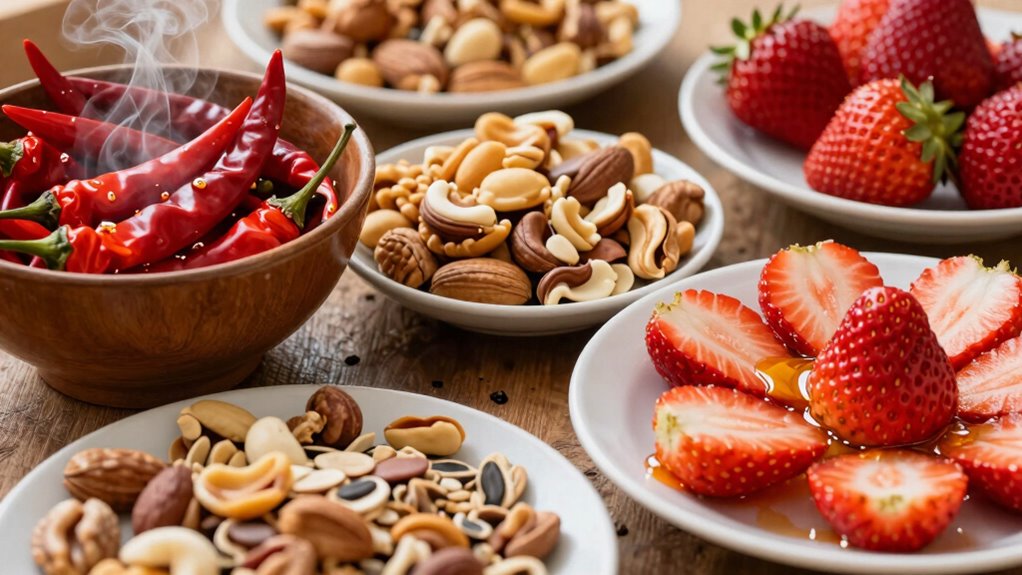

Food sensitivities cause delayed digestion issues like bloating or gas without involving your immune system, while intolerances, such as lactose intolerance, happen because your body can’t properly break down specific foods, leading to similar symptoms. Food allergies involve your immune system reacting quickly, causing symptoms like hives or difficulty breathing, which can be dangerous. Knowing these differences can help you manage reactions better—if you want to understand more, keep exploring these key differences.
Key Takeaways
- Food sensitivities cause delayed reactions without immune involvement, leading to discomfort hours after eating.
- Food intolerances result from enzyme deficiencies, causing immediate digestive symptoms like bloating or diarrhea.
- Food allergies involve immune responses that can trigger rapid, severe reactions such as hives or difficulty breathing.
- Sensitivities and intolerances are generally less dangerous, while allergies may require urgent medical attention.
- Symptom timing (delayed vs. immediate) helps distinguish between sensitivities, intolerances, and allergies.

Understanding the differences between food sensitivity, intolerance, and allergy is essential for managing your health effectively. These conditions can cause a variety of symptoms, but they stem from distinct biological processes. When you experience digestive reactions, such as bloating, gas, or diarrhea, it’s important to recognize whether they’re caused by a food sensitivity or intolerance rather than an allergy. Food sensitivities typically involve delayed digestive reactions that can develop hours after eating and are less severe than allergic responses. They don’t directly involve your immune system but can still cause discomfort and disrupt your daily routine. On the other hand, food intolerances usually result from your body’s difficulty breaking down certain foods, often due to enzyme deficiencies. A common example is lactose intolerance, where your body lacks the enzyme needed to digest lactose, leading to symptoms like stomach cramps, bloating, and diarrhea shortly after consuming dairy products. Additionally, identifying digestive reactions can help distinguish sensitivities from other conditions, improving diagnosis and management. Recognizing these differences can also aid in targeted dietary modifications and reduce unnecessary dietary restrictions.
Food allergies, however, involve an immune response that can be immediate and potentially dangerous. When you have a food allergy, your immune system mistakenly identifies a specific food protein as a threat and releases chemicals like histamine to defend your body. This immune response can cause a wide range of symptoms, from mild hives or itching to severe reactions like swelling, difficulty breathing, or anaphylaxis. Because allergies involve immune responses, they tend to be more unpredictable and can escalate quickly, which makes timely recognition and action critical. You might notice that allergic reactions often occur rapidly after eating the offending food, unlike sensitivities or intolerances, which tend to have delayed or less severe symptoms. Recognizing immune-mediated reactions is vital to understanding the urgency and potential severity of allergic responses. Additionally, understanding the immune system’s role in allergies can help you better navigate treatment options and prevention strategies.
Understanding these distinctions allows you to better identify what’s causing your symptoms and how to address them. For example, if you experience digestive discomfort without any immune-related symptoms like hives or swelling, it’s more likely a sensitivity or intolerance. Conversely, if you notice symptoms such as difficulty swallowing, swelling, or breathing issues shortly after consuming a particular food, an allergy is probably involved. Managing each condition requires different approaches: sensitivities and intolerances might be managed through dietary adjustments or enzyme supplements, while allergies often require strict avoidance and emergency preparedness. Recognizing these distinct biological processes helps you take the right steps to protect your health, avoid severe reactions, and improve your overall well-being. Being aware of symptom progression can also help you distinguish between mild and potentially life-threatening responses, ensuring prompt and appropriate action.

NOW Foods Supplements, Dairy Digest Complete, Digests Lactose, Dairy Proteins and Fats*, Dairy Tolerance Enzymes*, 90 Veg Capsules
DAIRY TOLERANCE ENZYMES*: NOW Dairy Digest Complete is a comprehensive blend of enzymes that is formulated to aid…
As an affiliate, we earn on qualifying purchases.
As an affiliate, we earn on qualifying purchases.
Frequently Asked Questions
Can Food Sensitivities Develop Suddenly Without Warning?
Yes, food sensitivities can develop suddenly without warning. You might experience immediate reactions like stomach discomfort or headaches, or notice hidden symptoms such as fatigue or skin issues that creep up over time. Sometimes, your body gradually becomes less tolerant to certain foods, leading to unexpected sensitivity. Paying attention to these signs helps you identify and manage sensitivities early, preventing more serious reactions in the future.
Are Food Allergies Inherited or Acquired?
Food allergies are often inherited, like a family heirloom passed down through generations. Your genetic predisposition influences your immune response, making you more susceptible. While some allergies can develop later in life, many are rooted in inherited immune system traits that trigger a reaction when exposed to specific foods. So, your allergy journey might be written in your DNA, shaping your response to certain foods from the start.
Can Cooking Change a Food Allergy Into an Intolerance?
Cooking cannot turn a food allergy into an intolerance because allergies involve immune reactions to specific proteins, which cooking typically doesn’t destroy. However, cooking methods can alter enzyme effects, sometimes reducing symptoms of a food intolerance by breaking down certain compounds. So, while cooking may help with sensitivities or intolerances, it won’t change an allergy’s fundamental immune response. Always consult a healthcare professional before making dietary changes.
How Long Do Food Sensitivities Typically Last?
Food sensitivities can last anywhere from a few days to several months, depending on your body’s response. You might find relief by using digestive enzymes to ease symptoms and following elimination diets to identify triggers. Consistent avoidance of problematic foods allows your digestive system to heal and reset. Keep track of your symptoms and consult a healthcare professional to tailor a plan that helps you manage sensitivities effectively.
Are There Natural Remedies for Food Sensitivities?
Imagine your body as a garden, delicate yet resilient. Natural remedies like herbal teas, ginger, and probiotics can soothe your sensitive soil. Making dietary adjustments—reducing or avoiding trigger foods—helps your garden flourish. While remedies like turmeric or apple cider vinegar may ease symptoms, always consult a healthcare professional. Embrace gentle, natural approaches to nurture your health and restore harmony within your body’s intricate ecosystem.

PracMedic Bags Epipen Carry Case– Insulated Epi Pens Carrying Case for Epipens, Auvi-Q, Inhaler, Allergy Medication & Diabetes Supply– Durable Emergency Medical Pouch for Travel (Black)
Premium Quality – You deserve the best for protecting your Epi Pen! Our Sammie Epipen Carrying Case is…
As an affiliate, we earn on qualifying purchases.
As an affiliate, we earn on qualifying purchases.
Conclusion
Understanding the difference between food sensitivity, intolerance, and allergy helps you make better choices for your health. Did you know that nearly 20% of people worldwide experience food sensitivities? Recognizing these conditions allows you to manage symptoms effectively and avoid serious allergic reactions. By paying attention to your body’s responses, you can improve your well-being and enjoy a more balanced diet. Stay informed and listen to your body—your health depends on it.

5Strands Food Intolerance Test, Accurate Hair Analysis, 658 Items Tested, at Home Food Sensitivity Test Kit for Adults & Kids, Gut Health Test, Results in 4 Days
IDENTIFY WHICH FOODS MAY BE CAUSING YOUR SYMPTOMS. Food intolerances happen when your gut microbiome and digestive enzymes…
As an affiliate, we earn on qualifying purchases.
As an affiliate, we earn on qualifying purchases.

Amazon Basic Care All Day Allergy, Cetirizine Hydrochloride Tablets, 10 mg, 24-Hour Relief for Allergy, 300 Count (Packaging may vary)
ACTIVE INGREDIENT: The active ingredient in Amazon Basic Care All Day Allergy is cetirizine hydrochloride, an antihistamine approved…
As an affiliate, we earn on qualifying purchases.
As an affiliate, we earn on qualifying purchases.