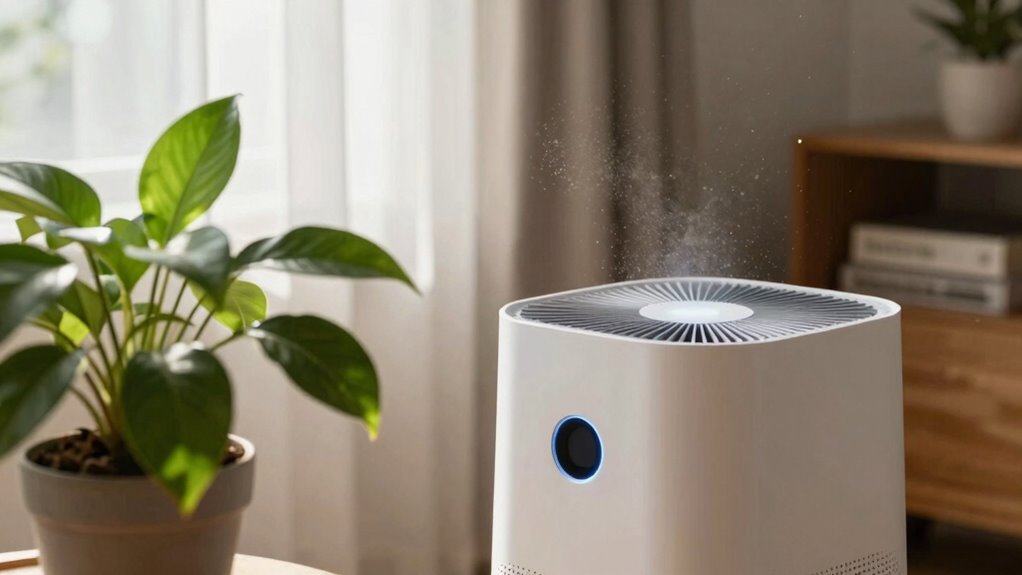

Poor indoor air quality can secretly affect your mood, making you feel frustrated, tired, or anxious without realizing why. Pollutants and allergens in the air trigger inflammation in your body, messing with your brain chemistry and leading to irritability and mood swings. Bad ventilation allows these substances to build up, increasing emotional reactivity. Keeping your air clean and fresh can help stabilize your mood and improve your overall well-being—if you want to discover how, keep exploring this topic.
Key Takeaways
- Poor indoor air quality triggers inflammation, affecting brain chemistry and increasing irritability.
- Pollutants and allergens in indoor air can cause headaches and emotional distress, leading to mood swings.
- Stale air reduces mental clarity and heightens stress, contributing to emotional reactivity.
- Inadequate ventilation allows toxins to accumulate, worsening irritability and fatigue.
- Improving indoor air through ventilation and purification supports emotional stability and mood regulation.
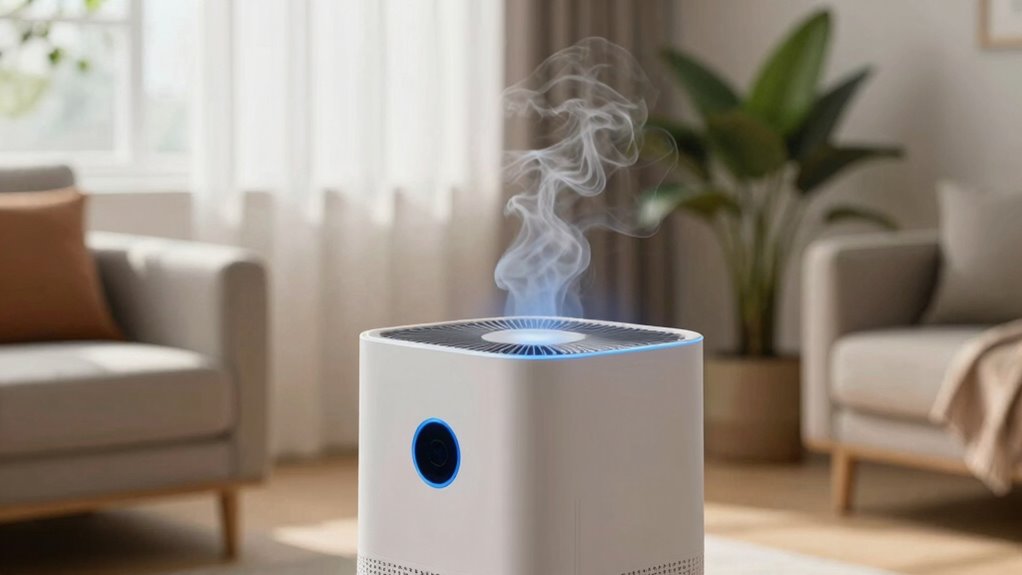
Indoor air quality can greatly impact your mood and overall irritability, especially when you spend long hours indoors. When the air you breathe isn’t clean, it affects more than just your respiratory health; it influences how you feel emotionally and mentally. Poor air quality can lead to increased feelings of frustration, fatigue, and even anxiety. As you go about your day, you might notice that days with stale or polluted indoor air leave you feeling more irritable and less able to focus. This isn’t coincidental—air quality plays a key role in mood regulation, and understanding this connection can help you create a more comfortable environment.
When indoor air is filled with pollutants, allergens, or toxins, your body reacts by triggering inflammation, which can influence your brain chemistry. This, in turn, impacts your mood regulation, making you more prone to irritability and mood swings. For example, high levels of volatile organic compounds (VOCs) from cleaning supplies or furniture emit fumes that can cause headaches, dizziness, and emotional distress. If your home or workspace isn’t properly ventilated, these substances accumulate, intensifying their effect on your mental state. You might find yourself snapping at others or feeling more impatient than usual, all because of the compromised air quality.
Air quality isn’t just about avoiding sickness; it’s about maintaining a stable mood and mental clarity. When the air is clean, your body doesn’t have to work as hard to filter out harmful particles, allowing your brain to function at its best. Good ventilation and air purification can dramatically improve your overall sense of well-being. Breathing fresh air helps regulate your nervous system and reduce stress levels, which in turn keeps irritability at bay. Conversely, poor air quality can leave you feeling sluggish, overwhelmed, and more emotionally reactive, making everyday interactions more difficult. Ensuring proper ventilation and purification is essential for a healthier and more balanced indoor environment. Additionally, choosing air-purifying plants can naturally enhance air quality and create a more calming atmosphere. Recognizing the significance of indoor air quality can motivate you to take proactive steps toward a healthier living space. Regularly maintaining HVAC filters and reducing indoor pollutants are vital in supporting your mental health and emotional stability.

MOOKA Air Purifier for Home Bedroom Large Room 2200 Ft², True HEPA Filter
- Large Coverage Area: Cleans up to 2200 ft² per hour
- Enhanced Pet Hair Capture: Wider dual-side air inlets
- Smart Air Quality Monitoring: Real-time PM2.5 display and auto mode
As an affiliate, we earn on qualifying purchases.
As an affiliate, we earn on qualifying purchases.
Frequently Asked Questions
Can Indoor Plants Improve Air Quality and Reduce Irritability?
Yes, indoor plants can improve air quality and reduce irritability. Plant varieties like snake plants and pothos actively filter toxins and increase oxygen levels. Healthy soil enhances their ability to purify the air by supporting soil microbes that break down pollutants. When you care for plants and maintain soil health, you create a cleaner environment, which can boost your mood and help lessen irritability naturally.
How Does Humidity Affect Indoor Air and Mood?
Imagine you’re in a Victorian-era mansion, feeling stuffy and uncomfortable—that’s how high humidity levels can make your indoor air feel. Humidity impacts your mood fluctuations by causing discomfort or dryness, which can lead to irritability. Low humidity dries out your skin and nasal passages, while high humidity fosters mold and dust, both affecting your mood. Maintaining balanced humidity helps stabilize your mood and creates a more comfortable environment.
Are Air Purifiers Effective Against Indoor Irritants?
Air purifiers can be effective against indoor irritants, but they have limitations. They help reduce airborne particles like dust, pollen, and pet dander, improving air quality and potentially easing irritability. However, their efficiency depends on proper filter maintenance—regularly replacing or cleaning filters is essential for peak performance. Keep in mind that air purifiers can’t eliminate all allergens or pollutants, so combining them with good ventilation is your best bet.
What Common Household Items Release Irritants Into Indoor Air?
You release irritants into indoor air through common household items like cleaning products and certain furniture. Cleaning products often contain volatile compounds that evaporate into the air, causing irritation. Air fresheners, paints, and even some candles emit these chemicals, which can worsen irritability. To improve air quality, opt for natural cleaning solutions and guarantee proper ventilation when using products that release volatile compounds.
How Long Does It Take to Notice Mood Changes After Improving Indoor Air?
You might notice mood changes within just a few days after improving indoor air quality. Studies show that air quality directly influences mood fluctuation, with symptoms often easing in as little as 48 hours. When you reduce irritants like dust and VOCs, your brain receives cleaner oxygen, which can boost your mood and reduce irritability quickly. So, taking steps to enhance your indoor environment can lead to faster emotional relief than you might expect.
Conclusion
By understanding the hidden link between indoor air and irritability, you hold the power to create a more harmonious environment. Just as a gentle breeze clears the stormy clouds, improving your indoor air quality can clear the mental fog and emotional turbulence you might experience. Don’t let unseen pollutants be the silent puppeteers pulling your strings. Take action today—breathe easier, feel calmer, and turn your home into a sanctuary of peace and clarity.