
Your stool odor can change because of what you eat or shifts in your gut bacteria. When your diet varies, the foods you consume affect the gases and compounds produced during digestion, altering smell. Changes in gut bacteria, like after antibiotics or illness, can also influence odor by affecting how food is broken down. Understanding these factors can help you make sense of odor changes and discover ways to help normalize it if you pay attention to the details.

Get oils, diffusers and self-care delivered free — and shop member deals
- Fast, free delivery on millions of items
- Access to Prime Big Deal Days deals on October 6–7
- Prime Video, Amazon Music and more included
Key Takeaways
- Changes in diet or gut bacteria can alter the gases and compounds produced during digestion, affecting stool smell.
- Consuming certain foods, like dairy or spicy meals, can lead to stronger or different stool odors.
- Imbalances in gut bacteria from antibiotics or illness can cause foul-smelling stools.
- Beneficial bacteria help break down food efficiently, reducing unpleasant odors over time.
- Disruptions in the gut environment can change how gases are processed, impacting stool odor perception.

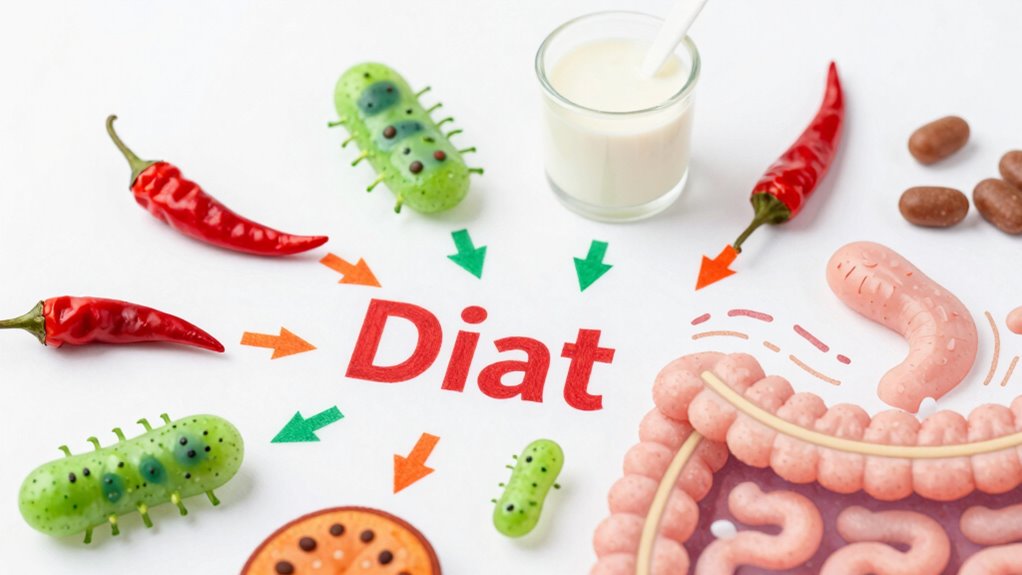
Have you ever noticed a sudden change in the smell of your stool? It can be surprising or even a little concerning, but many times, it’s just your body’s way of reacting to what you’ve eaten or changes in your gut bacteria. Your digestive system is a complex environment, and the odors produced during digestion are influenced by many factors, including diet and the bacteria that live in your gut. When these bacteria process food, they produce gases and compounds that give stool its characteristic smell. Alterations in your diet or gut bacteria can make these odors stronger, weaker, or different altogether.
One key factor that influences stool odor is probiotic effects. Your gut hosts trillions of bacteria, many of which are beneficial and help digest food, produce vitamins, and keep harmful bacteria in check. When these beneficial bacteria thrive, they help break down food more efficiently and can even reduce the production of foul-smelling gases. Taking probiotics—supplements or fermented foods like yogurt and kefir—can support these probiotic effects, promoting a healthier balance of gut bacteria. When your gut bacteria are balanced, you might notice that your stool smells less intense or more normal, especially if previous changes were related to an imbalance. Conversely, if your gut bacteria are disrupted—perhaps due to antibiotics or illness—you might see a more pungent or unusual odor, highlighting how vital good bacteria are in controlling stool smell.
Food sensitivities also play a significant role in changing stool odor. If you have sensitivities or intolerances to certain foods, your digestion can be affected, leading to more pronounced or altered odors. For example, if you’re sensitive to dairy or gluten, your body may struggle to digest these foods efficiently, leading to fermentation in the gut. This fermentation produces gas and foul-smelling compounds, making your stool smell worse than usual. Sometimes, food sensitivities can cause your gut bacteria to shift, further impacting odor. Paying attention to what you eat and how your stool reacts can help you identify if certain foods are causing these changes. Eliminating or reducing problematic foods often results in a normalization of stool odor.
Additionally, the contrast ratio of your digestive environment can influence the strength and clarity of odors produced, as higher contrast ratios can deepen the blackness and brightness of stool, affecting how odors are perceived.
probiotic supplements for gut health
As an affiliate, we earn on qualifying purchases.
As an affiliate, we earn on qualifying purchases.
Frequently Asked Questions
Can Stress Affect Stool Odor?
Yes, stress can affect stool odor. When you’re stressed, it impacts your digestion, slowing down or speeding up your gut, which changes how waste is processed. Stress also affects gut bacteria, which play a key role in odor. As your stress levels fluctuate, so does the balance of bacteria and digestion, leading to variations in stool smell. Managing stress can help maintain a healthier gut and more consistent odor.
Do Medications Change Stool Smell?
Sure, medications can totally turn your stool into a fragrant masterpiece or a toxic cloud. Prescription impact and medication side effects often alter gut bacteria, leading to a noticeable change in smell. So, next time your stool smells like a chemical spill or a floral bouquet, blame your meds. They’re basically the uninvited guests crashing your digestive party, leaving behind a signature scent that’s all their own.
How Does Hydration Influence Stool Odor?
Hydration levels directly influence your stool odor by affecting stool consistency. When you’re well-hydrated, your stool stays softer and moves through your system more easily, which can reduce odor. On the other hand, dehydration can lead to firmer, drier stool that may produce stronger, more unpleasant smells. Drinking enough water helps keep your digestive system functioning smoothly, making your stool less odorous and easier to pass.
Can Stool Odor Indicate Specific Health Issues?
Think of your gut bacteria as a busy city’s workers—if something’s off, like a new medication or illness, the smell can change. Yes, stool odor can hint at health issues such as infections or digestive problems. Dietary factors also play a role, altering bacteria and smell. If you notice persistent, unusual odors, it’s a sign to check in with a healthcare professional to rule out underlying concerns.
Does Age Impact Stool Smell?
Yes, age can impact stool smell. As you age, aging effects reduce bacterial diversity in your gut, which influences how your stool smells. This decreased diversity can cause odor changes, often making stool smell stronger or different than when you were younger. Your gut’s changing bacterial composition affects digestion and waste odor, so it’s normal for stool smell to evolve over your lifetime.
Conclusion
So, next time you notice a shift in your stool’s aroma, remember it’s just your body’s way of hinting at the changes inside. Your diet and gut bacteria are quietly working behind the scenes, shaping what you smell. Embrace these subtle signals—they’re like gentle whispers from your system, reminding you to nurture your health. Sometimes, a small adjustment can restore harmony, turning the scent back to something more familiar and comfortable.
Fall Picks
fall essentials
As an affiliate, we earn on qualifying purchases.