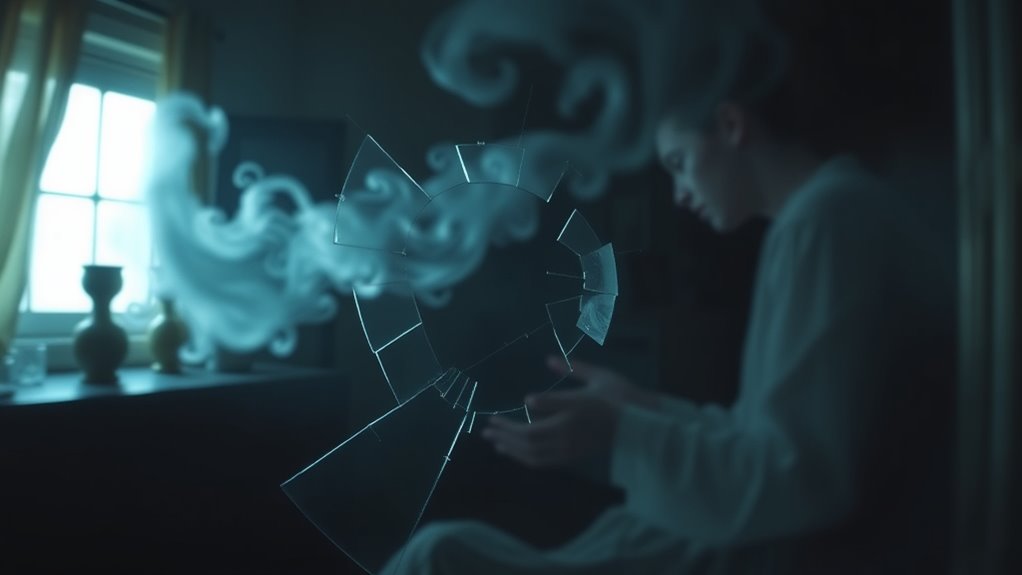
I understand that after an illness, you might experience either phantosmia or parosmia, which are different. Phantosmia makes you smell things that aren’t there, stemming from nerve or brain issues. Parosmia distorts familiar smells, often caused by inflammation or nerve damage inside your nose. Both can be unsettling and affect your daily life, but knowing how they differ helps in managing them. If you’re curious about how these conditions develop and what you can do, there’s more to learn.

Get oils, diffusers and self-care delivered free — and shop member deals
- Fast, free delivery on millions of items
- Access to Prime Big Deal Days deals on October 6–7
- Prime Video, Amazon Music and more included
Key Takeaways
- Phantosmia involves sensing smells that aren’t present, often caused by nerve damage or neurological issues.
- Parosmia distorts familiar smells, making them unpleasant, usually due to damage or inflammation in the olfactory epithelium.
- Both conditions frequently follow illnesses like COVID-19, but differ in their underlying mechanisms.
- Phantosmia presents as persistent, phantom odors; parosmia causes altered perceptions of real smells.
- Accurate diagnosis helps tailor treatment, as these conditions involve different disruptions in olfactory signaling.
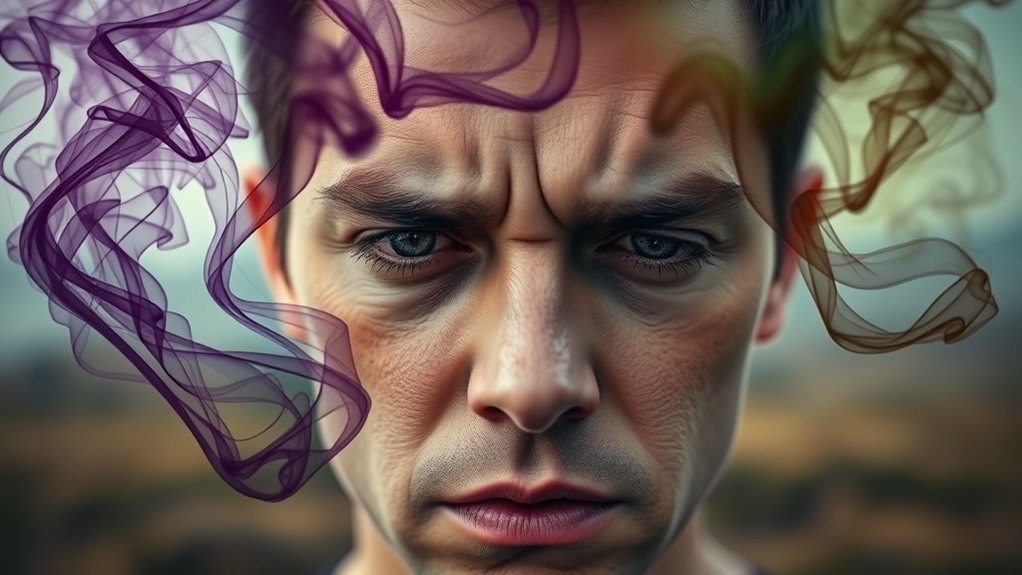
When it comes to smell disorders, phantosmia and parosmia are often confused, but they’re quite different. I’ve experienced both, and understanding their differences helped me navigate my own recovery. Phantosmia involves olfactory hallucinations—smelling things that aren’t actually there. It’s like a persistent, often unpleasant scent that appears out of nowhere, without any real source. These hallucinations can range from faint odors to overpowering smells that seem real, but no one else detects them. It’s unsettling because your mind perceives a smell that simply isn’t present, which can lead to confusion and frustration. On the other hand, parosmia is a type of smell distortion where familiar odors become distorted or unpleasant. Instead of hallucinating an entirely new smell, you notice that everyday scents—like coffee or flowers—have changed, often turning foul or nauseating.
Understanding the smell distortion causes behind these conditions is *essential*. Olfactory hallucinations in phantosmia are often linked to issues within the olfactory system itself, such as nerve damage, infections, or neurological conditions. Sometimes, they’re caused by migraines or certain medications. Damage to the olfactory bulb or nerve pathways can send false signals to your brain, resulting in these phantom smells. The smell distortion causes in parosmia usually stem from damage or inflammation in the olfactory epithelium—the tissue inside your nose responsible for smell detection. After illnesses like COVID-19, I learned that inflammation or nerve damage can scramble the signals sent to your brain, causing familiar smells to become distorted or completely changed. This is why many people experience parosmia after recovering from respiratory infections or viral illnesses. Additionally, disruptions in the cybersecurity of medical devices or data systems related to olfactory research could impact diagnosis and treatment options in the future.
Both conditions are deeply personal and can impact your quality of life. I remember how disorienting it was to smell something rotten when nothing was there or to find my favorite foods repulsive because their scent had turned sour. The causes of these smell disorders often overlap but differ in their mechanisms. While both involve disruption in how your brain interprets smells, olfactory hallucinations tend to involve abnormal signals that generate smells from nothing, whereas smell distortions are more about altered signals from the nose or olfactory pathways. Being aware of these distinctions helped me seek the right medical advice and manage my symptoms better. If you’re experiencing either, know that these issues are more common than you might think, especially after illnesses, and there are ways to address them.
olfactory disorder treatment devices
As an affiliate, we earn on qualifying purchases.
As an affiliate, we earn on qualifying purchases.
Frequently Asked Questions
How Long Do Smell Distortions Typically Last?
Smell distortions can last anywhere from a few weeks to several months, but it varies for each person. I recommend trying olfactory training and scent therapy to help speed up recovery. Consistently practicing these methods can improve your sense of smell over time. Stay patient and persistent; many people see gradual improvements. If it lingers too long, consult a specialist for personalized guidance and support.
Can These Conditions Be Reversed or Cured?
Think of it like trying to fix a tangled mess; sometimes, olfactory disorders like phantosmia and parosmia can improve or even reverse with patience. I’ve seen smell training help retrain the nose, offering hope for recovery. While not guaranteed for everyone, many find that consistent practice and consulting specialists can restore smell senses over time. Don’t lose hope—your sense of smell might just make a comeback.
Do Medications Help Improve Smell Perception?
Medications can sometimes help improve smell perception, but their efficacy varies depending on the cause. I’ve seen sensory rehabilitation techniques, like smell training, often make a difference, especially when combined with medical treatments. While medications alone might not fully restore smell, they can support recovery. It’s best to work closely with a specialist who can tailor a plan, combining medication and sensory rehab, to give you the best chance at regaining your sense of smell.
Are Certain Illnesses More Likely to Cause These Issues?
Certain illnesses, like viral infections and neurological disorders, are more likely to cause smell distortions such as phantosmia and parosmia. I’ve noticed these issues often follow illnesses that impact the nervous system or respiratory pathways. If you’ve recently had a viral infection or neurological problem, it’s worth consulting a healthcare provider. These conditions can damage olfactory nerves, leading to these distorted smell perceptions.
How Do I Differentiate Between Phantosmia and Parosmia?
To differentiate between phantosmia and parosmia, I look at the smell experiences. Phantosmia involves olfactory hallucinations, where I perceive smells that aren’t there, often unpleasant or smoky. Parosmia, on the other hand, is a type of smell distortion where familiar odors become distorted or foul. Recognizing whether I’m experiencing a false smell or distorted familiar smells helps me identify the specific type of smell disorder I have.
Conclusion
Understanding the subtle dance between phantosmia and parosmia helps me see that sometimes, our senses whisper secrets only we can hear. Though these distorted smells can feel like unexpected guests, they remind us that our bodies quietly tell stories of healing and change. Embracing these moments with patience and gentle curiosity allows us to navigate the aroma’s mysteries, trusting that clarity will return in its own time—like a dawn breaking after a long night.
Halloween Picks
halloween
As an affiliate, we earn on qualifying purchases.