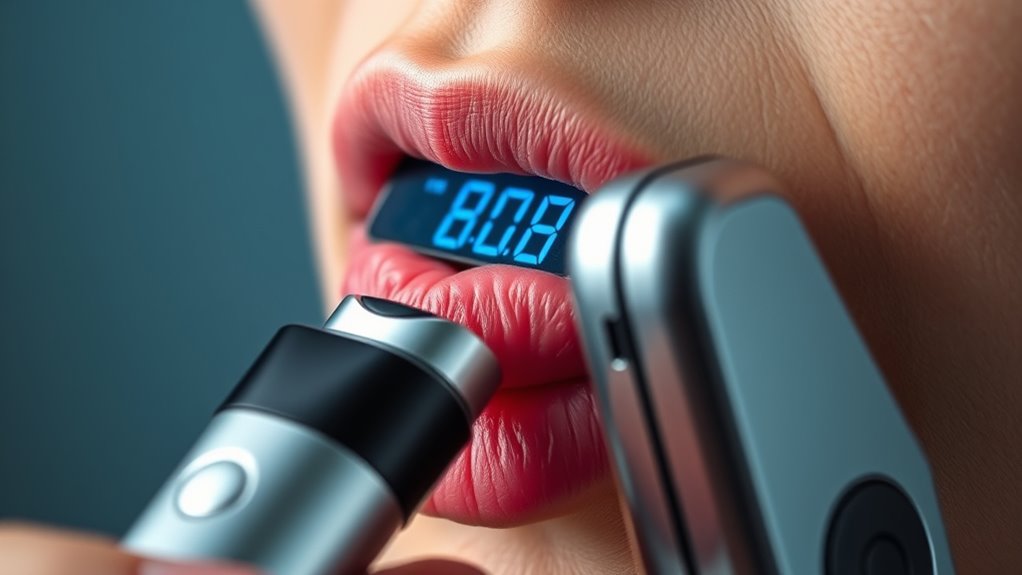

When I use a breathalyzer, I know it estimates BAC by analyzing the alcohol vapor in your breath through a chemical reaction that creates an electrical signal. This signal correlates with your blood alcohol level, giving a quick and fairly accurate result. The device’s accuracy depends on proper calibration and correct use, which is essential in legal situations. If you’re curious about how these devices work in detail, there’s more to explore below.
Key Takeaways
- Breathalyzers analyze alcohol vapor in breath to produce an electrical signal proportional to BAC.
- They rely on chemical reactions within the device to estimate alcohol concentration quickly.
- Accurate BAC measurement depends on proper calibration and adherence to testing protocols.
- Technological advancements have improved accuracy, reliability, and data logging features for legal use.
- Results can be challenged in court if device calibration or testing procedures are not properly maintained.

Have you ever wondered how law enforcement determines if someone is driving under the influence of alcohol? It’s a question that has sparked curiosity and sometimes skepticism. Breath alcohol testing plays a *pivotal* role here, especially with the widespread use of breathalyzers. These devices allow officers to estimate a person’s blood alcohol concentration (BAC) quickly and non-invasively. But how exactly do they work, and what are the legal implications tied to their use? Well, progress in technological advancements has made breathalyzers more accurate and reliable than ever before, yet this also raises questions about their legal admissibility and potential for error.
Breathalyzers estimate BAC quickly, but accuracy depends on calibration and proper use.
When I think about these devices, I realize that their core function involves analyzing the alcohol vapor in a person’s breath. The process relies on a chemical reaction within the device that produces a measurable electrical signal proportional to the alcohol content. Thanks to technological advancements, modern breathalyzers can now deliver results within seconds, making roadside testing swift and efficient. However, despite their sophistication, the accuracy of these devices can be influenced by factors such as calibration, environmental conditions, and user error. That’s why maintaining proper calibration and following strict protocols are *imperative*—both for the validity of the test and for legal considerations. Additionally, understanding the chemical analysis methods used helps explain how these devices produce accurate estimates.
Legal implications are a significant aspect of breath alcohol testing. In many jurisdictions, a breathalyzer reading is enough to establish probable cause for arrest and to sustain a DUI charge. But the reliability of these devices is often challenged in court, especially if proper procedures weren’t followed or if the device’s calibration was off. I’ve learned that defense attorneys frequently question the accuracy of breath tests, arguing that errors can lead to wrongful convictions. This underscores the importance of strict standards and continuous technological improvements to *guarantee* that results are as fair and precise as possible.
The evolution of breathalyzer technology has also influenced legislation. Many states now require regular calibration and certification of breath testing devices to withstand legal scrutiny. Additionally, newer models incorporate features like printed receipts and data logs, creating an audit trail that bolsters their credibility in court. Overall, while technological advancements have greatly enhanced the ability to estimate BAC accurately and quickly, they also bring a responsibility to *assure* that these tools are used correctly. This balance between innovation and legal integrity is *essential* to maintain public trust and uphold justice in alcohol-related traffic cases.
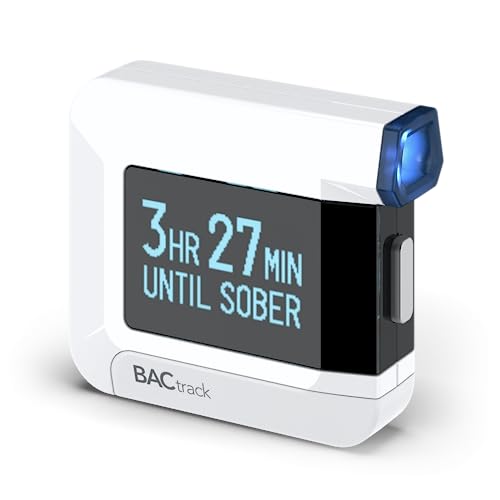
BACtrack C8 Breathalyzer | Professional-Grade Accuracy | Optional Smartphone App | Portable Breathalyzer Alcohol Tester for Home & Personal Use
ESTIMATE YOUR ALCOHOL LEVEL WITH PRO-GRADE ACCURACY – Powered by BACtrack's patented BluFire Fuel Cell Sensor, the C8…
As an affiliate, we earn on qualifying purchases.
As an affiliate, we earn on qualifying purchases.
Frequently Asked Questions
How Accurate Are Breathalyzers Compared to Blood Tests?
Breathalyzers are generally quite accurate but can vary based on device accuracy and factors like alcohol metabolism. While they provide quick results, blood tests are more precise since they directly measure BAC. I’d say breathalyzers are reliable for screening, but for legal or medical purposes, blood tests are the gold standard. Keep in mind, alcohol metabolism differs among individuals, affecting breathalyzer accuracy.
Can Mouth Alcohol Affect Breathalyzer Results?
Mouth alcohol can definitely affect breathalyzer results because residual alcohol in the mouth, from recent drinking or belching, can lead to falsely high readings. I always remind drivers that waiting at least 15-20 minutes after eating, drinking, or burping helps mitigate the impact of mouth alcohol. Properly calibrated devices and procedures also help guarantee that residual alcohol doesn’t skew the BAC estimate.
How Often Should Breathalyzers Be Calibrated?
Think of calibration as the heartbeat of a breathalyzer—it’s essential to keep it beating strong. I recommend calibrating your device every 6 to 12 months, depending on usage and manufacturer guidelines. Regular device maintenance, including calibration, guarantees accuracy and reliability. Skipping this can lead to faulty readings, so don’t forget to schedule these checks. Staying on top of calibration is how you keep your device trustworthy and precise.
Are There Legal Limits for Breath Alcohol Concentration?
Yes, there are legal limits for breath alcohol concentration, known as legal thresholds, which vary by jurisdiction but typically range from 0.08% to 0.02%. Enforcement policies rely heavily on these levels to determine if someone is over the limit. I understand how vital it is to be aware of these thresholds, as they guide police in enforcing laws and ensuring safe roads for everyone.
Do Different Brands of Breathalyzers Produce Different Results?
Yes, different brands of breathalyzers can produce varying results due to device variability and brand reliability. I’ve noticed that some devices are more accurate and consistent, while others might give slightly different readings. It’s important to select a reputable brand with proven reliability, especially if you need precise measurements. Always calibrate your device regularly to guarantee accuracy, no matter the brand, because consistent results depend on proper maintenance.

BACtrack S80 Breathalyzer | Professional-Grade Accuracy | DOT & NHTSA Approved | FDA 510(k) Cleared | Portable Breath Alcohol Tester for Professional & Personal Use
#1-RATED BREATHALYZER BY WIRECUTTER – "After 65 hours of research, which included getting intoxicated at a police station…
As an affiliate, we earn on qualifying purchases.
As an affiliate, we earn on qualifying purchases.
Conclusion
In the end, breathalyzers are a reliable way to estimate BAC, helping keep everyone safer. Did you know that nearly 20% of traffic fatalities involve a driver with a BAC over the legal limit? That’s a stark reminder of how important these devices are. By understanding how they work, you can appreciate their role in preventing tragedies. Stay informed, stay responsible, and always remember: a simple breath test can make a life-saving difference.
BACtrack C8 Breathalyzer | Professional-Grade Accuracy | Optional Smartphone App | Portable Breathalyzer Alcohol Tester for Home & Personal Use
ESTIMATE YOUR ALCOHOL LEVEL WITH PRO-GRADE ACCURACY – Powered by BACtrack's patented BluFire Fuel Cell Sensor, the C8…
As an affiliate, we earn on qualifying purchases.
As an affiliate, we earn on qualifying purchases.
BACtrack S80 Breathalyzer | Professional-Grade Accuracy | DOT & NHTSA Approved | FDA 510(k) Cleared | Portable Breath Alcohol Tester for Professional & Personal Use
#1-RATED BREATHALYZER BY WIRECUTTER – "After 65 hours of research, which included getting intoxicated at a police station…
As an affiliate, we earn on qualifying purchases.
As an affiliate, we earn on qualifying purchases.