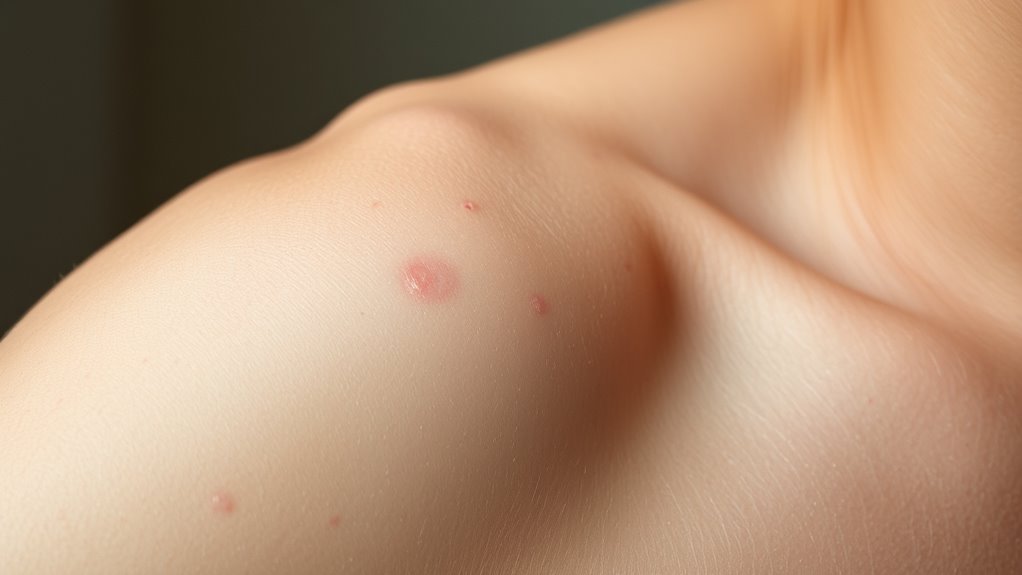

If your body odor suddenly changes, becomes stronger, or sticks around despite good hygiene, it might signal an infection. Watch for other signs like redness, swelling, warmth, or painful bumps, especially in areas like the armpits or groin. Persistent odor or skin changes can point to bacterial or fungal infections needing medical attention. Keep an eye on these symptoms, and you’ll discover how to better identify and respond to potential infections.
Key Takeaways
- Persistent, foul body odor despite good hygiene may indicate bacterial or fungal infection of sweat glands.
- Signs like redness, swelling, warmth, or pain around affected areas suggest an underlying infection.
- Development of painful bumps, abscesses, or open sores alongside odor indicates possible skin infections.
- Sudden odor change with skin inflammation or tenderness warrants prompt medical evaluation.
- Ignoring odor and associated symptoms can lead to infection spread or complications; early treatment is essential.
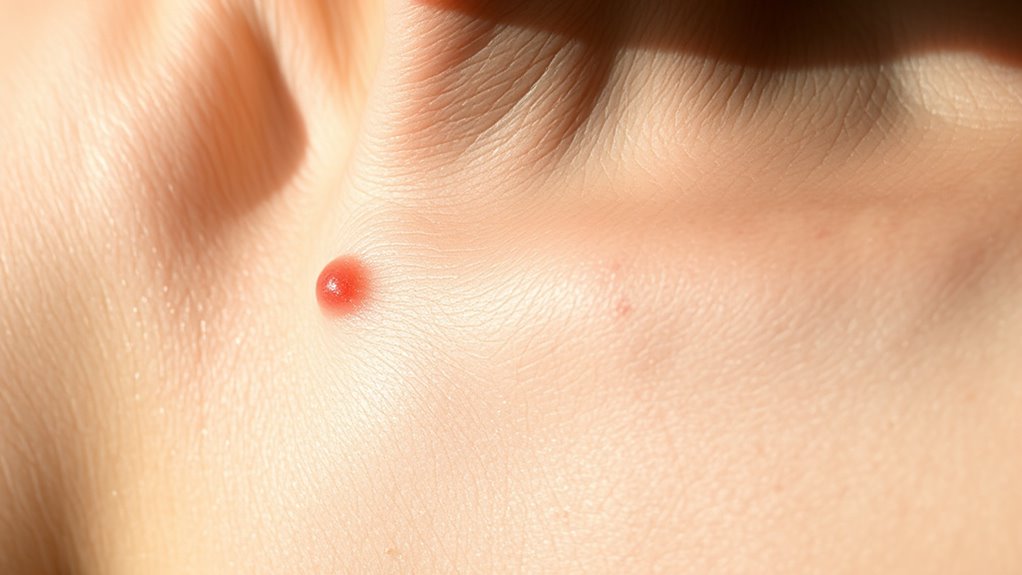
Body odor isn’t just an everyday nuisance; it can also be a sign of underlying infection. When you notice a sudden change in your smell, especially if it’s stronger or different than usual, it’s worth paying attention. One common cause behind unusual body odor is issues with sweat glands, such as sweat gland infections. These infections happen when bacteria or fungi invade the sweat glands, leading to inflammation, redness, and sometimes even pus. It’s not just about sweat; it’s about what’s growing inside and around those glands. Bacterial overgrowth is a key factor here, as it often results from bacteria thriving in warm, moist environments like your armpits, groin, or behind the knees. When bacteria multiply excessively, they produce foul-smelling compounds, intensifying body odor.
Unusual body odor may signal sweat gland infections caused by bacterial overgrowth.
I’ve seen firsthand how bacterial overgrowth can turn a seemingly minor issue into something more serious. If sweat glands become blocked or damaged—say from friction, skin conditions, or shaving—bacteria can settle in and multiply unchecked. This leads to infections like hidradenitis suppurativa or bacterial folliculitis, which often cause not only increased odor but also painful bumps, abscesses, or open sores. These signs shouldn’t be ignored, especially if the odor persists despite regular hygiene. Sometimes, the smell is so strong that it becomes noticeable even to others, which can be embarrassing but also a clear signal that something’s off inside.
It’s important to understand that body odor linked to infections isn’t just about hygiene; it’s often about the imbalance of bacteria on your skin. Normal skin flora can get out of control, especially when your immune system is compromised or when skin conditions create the perfect environment for bacterial overgrowth. Infections of the sweat glands are particularly tricky because they often hide beneath the surface, making them less obvious. You might notice skin warmth, tenderness, or swelling alongside the smell, which are signs your body is fighting an infection. If these symptoms occur, it’s wise to seek medical advice promptly. Additionally, understanding the factors that affect bacterial overgrowth can help prevent these infections from developing or worsening.
Recognizing these signs early can lead to effective treatment, often involving antibiotics or topical medications to reduce bacterial overgrowth and clear the infection. Ignoring persistent or worsening body odor can allow an infection to spread or deepen, leading to more discomfort and potential complications. So, if you notice your usual body odor suddenly changing, especially with accompanying symptoms like redness, swelling, or pain, don’t dismiss it as just hygiene. It might be your body signaling that an infection in your sweat glands is underway, and prompt attention can make all the difference.
Dove Body Wash with Pump Antibacterial For All Skin Types Protects from Dryness 30.6 oz
- Effective Bacterial Cleansing: Eliminates 99% of bacteria with gentle gel
- Long-Lasting Moisture: Nourishes skin and prevents dryness
- Skin-Friendly Formula: Provides soft, nourished skin
As an affiliate, we earn on qualifying purchases.
As an affiliate, we earn on qualifying purchases.
Frequently Asked Questions
Can Diet Affect Body Odor Related to Infections?
Yes, diet impact can influence body odor related to infections. I’ve noticed that metabolic changes from certain foods, like spicy or processed items, can make odors more noticeable. When I eat a diet high in sugar or dairy, it sometimes worsens body odor, especially if my body is fighting an infection. Adjusting my diet helps manage these changes, reducing unpleasant smells and supporting my overall health.
Are Certain Body Odors More Common With Specific Infections?
Certain body odors do tend to be more common with specific infections. For example, a foul, sour smell might signal bacterial imbalance, while a yeasty or bread-like odor could indicate fungal overgrowth. I’ve noticed these distinctions, and they can help you identify underlying issues. Recognizing these unique odors allows for quicker action, so don’t ignore persistent or unusual smells—they’re your body’s way of signaling something’s off.
How Quickly Does Body Odor Change When an Infection Develops?
The timing of odor and odor onset can vary, but I’ve noticed changes often occur within a few days of infection developing. When I suspect an infection, I pay close attention to how quickly the body odor shifts, as a sudden or persistent change can be a sign. Usually, the odor onset happens early, signaling my body’s response, which helps me seek medical advice promptly.
Is It Possible to Smell an Infection Before Other Symptoms Appear?
You bet, early detection is possible through subtle odor perception. Before other symptoms show, a faint change in body scent might hint at an underlying issue. I’ve noticed that our sense of smell can pick up these early signals, acting as an intuitive alarm. Trust your nose—if you detect an unusual odor, it’s worth paying closer attention and consulting a healthcare professional to catch infections early.
Can Lifestyle Habits Influence Infection-Related Body Odor?
Yes, lifestyle habits can influence infection-related body odor. I’ve noticed that good hygiene practices, like regular bathing and using antibacterial soap, help reduce odor caused by infections. Environmental factors, such as heat and humidity, also play a role by increasing sweat and bacteria buildup. To minimize the risk, I stay consistent with hygiene and adapt to environmental changes, which helps keep body odor in check and signals when something might be off.
Conclusion
Did you know that changes in body odor can be an early warning sign of infection in up to 70% of cases? Paying attention to unusual or persistent smells isn’t just about hygiene—it’s about your health. If your body odor suddenly shifts or becomes stronger, don’t ignore it. Catching infections early can make a big difference. So, stay alert to your body’s signals—sometimes, a change in scent could be your first clue to a bigger issue.