
During pregnancy, I noticed my sense of smell became much more sensitive, making scents seem stronger, unfamiliar, or overwhelming. This change happens because hormonal fluctuations, especially the rise in estrogen, directly impact our olfactory system. Normally, our noses adapt and tune out familiar smells, but during pregnancy, this adaptation shifts, heightening scent awareness. If you want to understand why your senses are changing and how to handle it, keep exploring this fascinating topic.
Key Takeaways
- Pregnancy increases olfactory sensitivity due to hormonal fluctuations, especially rising estrogen levels.
- Elevated hormone levels cause scents to seem more intense and unfamiliar during pregnancy.
- Olfactory receptors become hyperactive, enhancing detection of faint or distant odors.
- Sensory changes vary among women, influenced by hormonal and genetic factors.
- Managing heightened smell involves avoiding strong odors, ensuring good ventilation, and understanding it as a natural process.

Many women notice their sense of smell becomes more acute during pregnancy, and I’ve found that this heightened awareness can be both intriguing and overwhelming. It’s as if your nose suddenly becomes a super-sensitive detector, picking up scents you’d never noticed before. This change is primarily driven by hormonal fluctuations that occur early in pregnancy. Hormonal changes, especially the rise in estrogen levels, directly influence the olfactory system, making scents seem more intense or even unrecognizable. I remember being able to smell my partner’s deodorant from across the room or detect the faintest scent of someone’s perfume that I’d normally ignore. It’s not just a heightened sense; it’s as if your olfactory receptors have become hyperactive.
This increased sensitivity isn’t just a random phenomenon but part of a natural process called olfactory adaptation. Normally, our noses adjust to ongoing stimuli, reducing the perception of familiar smells so we can focus on new or important scents. During pregnancy, however, the olfactory adaptation process seems to shift. Instead of diminishing, certain smells become more prominent, often leading to nausea or aversion to particular odors. I personally experienced this when the smell of cooking eggs became unbearable, even though I’d previously enjoyed them. It’s like your body is trying to protect you from potentially harmful substances, warning you through these heightened sensitivities. The olfactory system is wired to react strongly during this time, possibly as an evolutionary safeguard, to prevent inhalation of toxins or spoiled food. Furthermore, understanding the connection between hormonal fluctuations and sensory changes can help expectant mothers better manage their experiences.
What’s fascinating is that this heightened sense of smell can vary widely among pregnant women. Some notice a dramatic change, while others hardly experience it. The degree of olfactory adaptation depends on individual hormonal responses and genetic factors. For me, the changes started early in pregnancy and persisted throughout the first trimester, gradually fading as my hormones stabilized. I found it helpful to avoid strong or irritating odors and to keep my environment well-ventilated. Understanding that this is a natural part of pregnancy helped me accept my new, more sensitive nose rather than fighting it.

LEVOIT Air Purifiers for Bedroom Home Dorm, AHAM VERIFIED, 3-in-1 Filter Cleaner With Aroma Pad, Filters Smoke, Allergens, Pet Dander, Odor, Dust, Office, Desktop, Core Mini-P, White
𝗪𝗛𝗬 𝗖𝗛𝗢𝗢𝗦𝗘 𝗔𝗛𝗔𝗠 𝗩𝗘𝗥𝗜𝗙𝗜𝗗𝗘 𝗔𝗜𝗥 𝗣𝗨𝗥𝗜𝗙𝗜𝗘𝗥𝗦: AHAM (Association of Home Appliance Manufacturers) is an ANSI-accredited organization that sets…
As an affiliate, we earn on qualifying purchases.
As an affiliate, we earn on qualifying purchases.
Frequently Asked Questions
Does Heightened Smell Affect My Daily Eating Habits During Pregnancy?
Yes, my heightened sense of smell during pregnancy definitely affects my eating habits. I often experience pregnancy cravings for certain foods, but strong or unpleasant scents can cause food aversions. I’ve learned to listen to my nose and avoid foods that smell off, which helps me manage nausea and stay healthy. It’s all about adjusting my meals to what I can tolerate and still enjoy, despite the heightened sensitivities.
Can Sense of Smell Change Postpartum?
Yes, my sense of smell can change postpartum due to hormonal shifts and sensory adaptation. After giving birth, I often notice that my heightened sensitivity diminishes or fluctuates, sometimes returning to pre-pregnancy levels or shifting unexpectedly. These changes are normal and part of my body’s way of adjusting. It’s fascinating how hormonal shifts influence my senses, and sensory adaptation helps me gradually get used to these new perceptions.
Are There Any Risks Associated With Increased Olfactory Sensitivity?
Like a storm that suddenly hits, increased olfactory sensitivity can pose risks. It might lead to sensory overload, making everyday smells overwhelming and causing headaches or nausea. To stay safe, I stay aware of olfactory safety, avoiding strong odors and well-ventilating spaces. Recognizing these risks helps me manage my heightened senses better, ensuring I protect myself and maintain comfort during this intense period.
How Early in Pregnancy Does Sense of Smell Usually Become More Sensitive?
In early pregnancy, olfactory changes often begin around the sixth week, although some women notice heightened smell sensitivity as early as the fourth week. I found that my sense of smell became markedly more sensitive during this time, making certain odors seem overwhelming. These changes are usually due to hormonal fluctuations, and they can occur quite early, even before many women realize they are pregnant.
Can Heightened Smell Impact My Mental Health or Cause Anxiety?
You might find that heightened smell can impact your mental health or cause anxiety, especially if certain scents trigger strong reactions. It’s not uncommon to feel overwhelmed or anxious when senses become super sensitive. To manage this, I suggest practicing relaxation techniques and seeking support. Being aware of these feelings helps you develop better anxiety management strategies, making it easier to navigate your pregnancy with a calmer, more balanced mindset.

Dr. Scholl's ODOR-X FOOT ODOR PROBIOTIC SPRAY, 4 oz // Immediately Eliminates The Worst Odors – Prevents Embarrasing Odors From Returning – Restores Skin's Microbiome
Odor Elimination; Immediately eliminates even the worst odors.
As an affiliate, we earn on qualifying purchases.
As an affiliate, we earn on qualifying purchases.
Conclusion
Just like a lighthouse guides ships safely to shore, my heightened sense of smell is my body’s way of alerting me to new life’s delicate needs. It’s a symbol of the profound changes happening within, a beacon of awareness and care. Embracing this heightened sensitivity reminds me that even the smallest signals are part of a bigger, beautiful journey—one that’s shaping both my world and the tiny life growing inside me.

Comfort Zone Twin Window Fan with Reversible Airflow Control, 9 inch, Auto-Locking Expanders, 2 Speed Fan, Dual Fan, Exhaust, Airflow 9.84 ft/sec, Ideal for Home, Kitchen, Bedroom & Office, CZ319WT
DUAL SPEED SELECTION: Enjoy the flexibility of choosing between two air output options on this twin speed window…
As an affiliate, we earn on qualifying purchases.
As an affiliate, we earn on qualifying purchases.
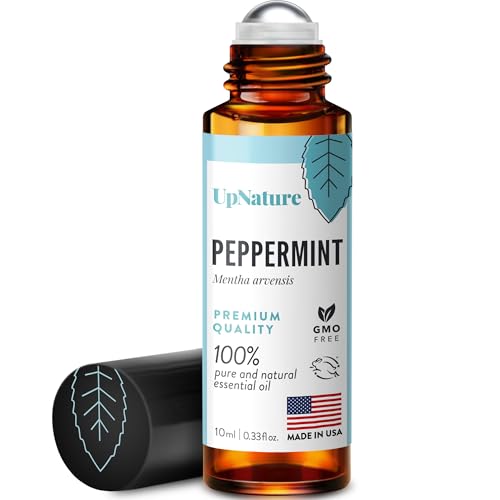
UpNature Peppermint Oil Roll On – 100% Natural Nausea & Morning Sickness Relief for Pregnant Women – Peppermint Essential Oil Pregnancy Must Haves Rollerball
Peppermint oil roller ball – 100% natural peppermint essential oil to experience the invigorating scent and powerful benefits….
As an affiliate, we earn on qualifying purchases.
As an affiliate, we earn on qualifying purchases.