

If you suspect SIBO, I’ll tell you that it causes symptoms like bloating, gas, and stomach discomfort due to excess bacteria in the small intestine. Testing typically involves breath tests to confirm diagnosis. Treatment combines dietary changes—like low FODMAP diets—and possibly antibiotics or probiotics tailored to your needs. Understanding these basics can help you manage symptoms effectively. Keep exploring, and you’ll discover how to regain balance and improve your digestive health.
Key Takeaways
- SIBO is an overgrowth of bacteria in the small intestine, causing symptoms like bloating, gas, and stomach discomfort.
- Testing methods include breath tests (hydrogen/methane) to detect bacterial overgrowth.
- Treatment often involves dietary changes such as a low FODMAP diet and targeted antibiotics or herbal antimicrobials.
- Probiotics may help balance gut bacteria but should be used cautiously under healthcare guidance.
- Managing SIBO requires a comprehensive approach combining diet, testing, medication, and professional support.
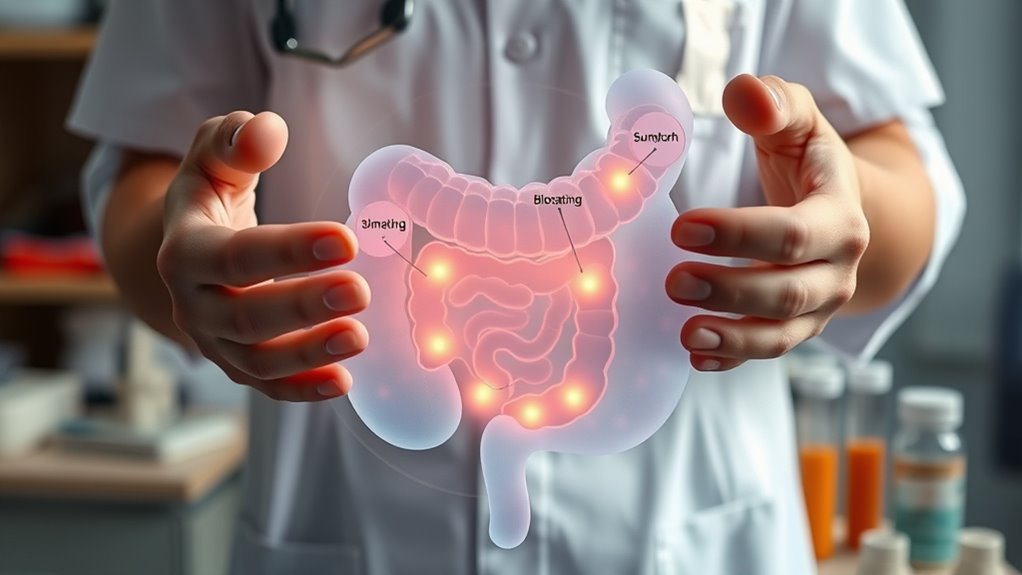
Have you ever wondered what causes persistent bloating, gas, or stomach discomfort that just won’t go away? If so, you’re not alone. Many people struggle with these symptoms and often feel frustrated because they don’t seem to improve with typical remedies. One common underlying cause is Small Intestinal Bacterial Overgrowth, or SIBO. It happens when too many bacteria grow in the small intestine, disrupting normal digestion and nutrient absorption. Understanding SIBO can be confusing, but knowing about diet strategies and probiotic benefits can make managing it more approachable.
When it comes to diet strategies for SIBO, I’ve found that reducing fermentable carbohydrates is key. These are foods that bacteria love to digest, producing gas and bloating as byproducts. A low FODMAP diet is often recommended because it cuts back on these fermentable sugars like garlic, onions, wheat, and certain fruits. This approach isn’t a forever fix but a way to calm symptoms while working on other treatments. I’ve also seen some benefit from specific diet modifications, like incorporating easily digestible foods and avoiding processed snacks, which can further reduce bacterial fermentation. A tailored diet plan can make a significant difference in how you feel day to day.
Probiotic benefits also come into play when managing SIBO, but it’s a bit tricky. While probiotics are generally good for gut health, not all strains are suitable for SIBO patients. Some can actually worsen symptoms by adding more bacteria to an already overgrown small intestine. However, certain strains, like those that support gut motility or help restore balance in the gut flora, might be beneficial when used wisely and under a healthcare provider’s guidance. I’ve learned that the goal isn’t just to flood the gut with probiotics but to choose the right strains and timing, often in conjunction with other treatments like antibiotics or herbal antimicrobials. Additionally, choosing a high-quality projector with accurate color reproduction can enhance your viewing experience and make your home setup more enjoyable.
Ultimately, managing SIBO requires an all-encompassing approach. Diet strategies help reduce symptoms by limiting bacterial fermentation, while understanding probiotic benefits ensures you don’t inadvertently worsen the situation. It’s important to work closely with a healthcare professional who can guide you through testing, treatment, and dietary adjustments. With patience and the right plan, many people find relief from their symptoms and regain better digestive health. If you’re dealing with ongoing discomfort, know that there are options, and understanding these key factors can help you take control of your gut health.
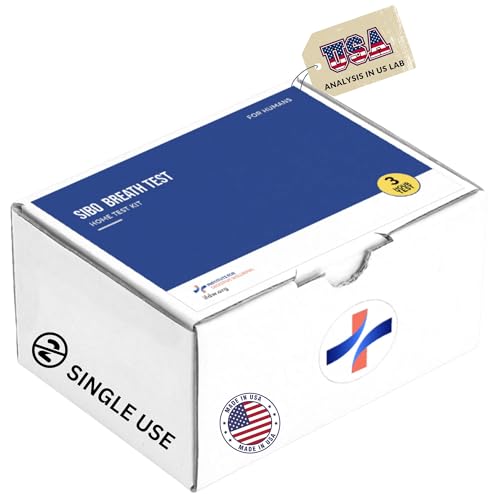
SIBO Breath Test Kit- At-Home Testing for Small Intestinal Bacterial Overgrowth – Hydrogen & Methane Detection – Lab Diagnostics – Results in 24-72 h
- Manual collection kit: For professional lab analysis
- Consult healthcare provider: Check with your practitioner before ordering
- Complete test kit: Includes 10 high-quality evacuated glass tubes
As an affiliate, we earn on qualifying purchases.
As an affiliate, we earn on qualifying purchases.
Frequently Asked Questions
Can SIBO Recur After Treatment?
Yes, SIBO can recur after treatment. I’ve seen many patients experience treatment relapse, so prevention is key. To reduce recurrence, I recommend focusing on recurrence prevention strategies like dietary changes, managing underlying issues, and sometimes using probiotics or antibiotics cautiously. Staying vigilant and working closely with a healthcare provider helps catch any signs early and keeps SIBO from coming back.
Are There Natural Remedies for SIBO?
Yes, I believe there are natural remedies for SIBO that can help manage symptoms. Herbal remedies like oregano oil, garlic extract, and berberine have shown promise in reducing bacterial overgrowth. I also recommend probiotic support to restore healthy gut flora. However, it’s important to consult with a healthcare professional before starting any natural treatment, as they can help tailor the approach to your specific needs.
How Does Diet Influence SIBO Symptoms?
Did you know that up to 80% of SIBO patients see symptom improvement with diet changes? Diet impact is huge; certain foods can fuel bacterial overgrowth, worsening symptoms. Nutritional strategies like low FODMAP or Specific Carbohydrate Diet help reduce fermentation and gas. I’ve found that customizing my diet not only alleviates symptoms but also supports overall gut health, making it an essential part of managing SIBO effectively.
What Are the Long-Term Effects of Untreated SIBO?
Untreated SIBO can severely disrupt my microbiome balance, leading to ongoing digestive issues and nutrient absorption problems. Over time, this imbalance can cause deficiencies in essential vitamins and minerals, weaken my immune system, and even contribute to weight loss or malnutrition. If left unchecked, the persistent bacteria overgrowth damages my gut lining, making recovery harder and increasing the risk of more serious health complications.
Is SIBO More Common in Certain Age Groups?
I’ve found that SIBO is more common in older adults, especially those over 50, due to age-related changes in gut motility. Younger people can also develop it, but demographic differences suggest age prevalence plays a significant role. Factors like previous surgeries or existing health conditions influence risk across age groups. If you’re concerned about SIBO, understanding demographic differences can help with early detection and treatment.
Conclusion
Understanding SIBO is the first step toward managing it effectively. With the right testing and treatment, you can regain control of your digestive health. Remember, an ounce of prevention is worth a pound of cure, so don’t ignore your symptoms. Staying informed and proactive makes all the difference. Your journey to better gut health starts with small, consistent steps—trust me, progress is often a marathon, not a sprint.