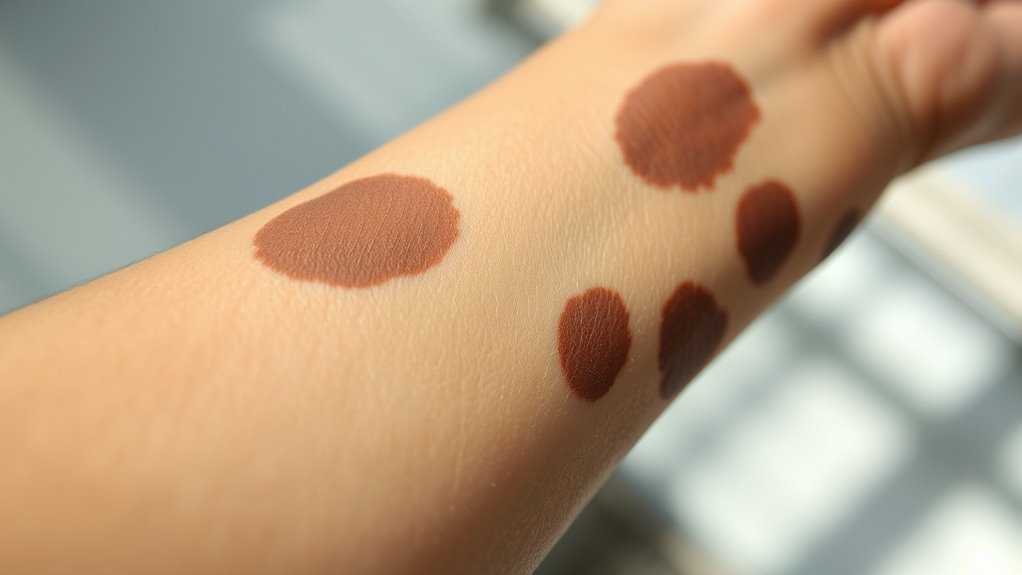

Hyperpigmentation happens when your skin produces too much melanin due to causes like sun exposure, hormonal shifts, inflammation, aging, genetics, or irritating skincare products. To prevent dark spots, protect your skin daily with sunscreen, wear protective clothing, and avoid harsh ingredients. Lifestyle habits like quitting smoking and managing stress also help. Staying aware of these factors and taking early steps can keep your skin even-toned—learn more about how to effectively prevent and treat hyperpigmentation.
Key Takeaways
- Excess melanin from triggers like inflammation, hormonal changes, and sun exposure leads to dark patches on the skin.
- UV rays stimulate melanin production, making sun protection essential to prevent hyperpigmentation.
- Hormonal fluctuations and aging increase melanin, which can be managed with tailored skincare and sun protection.
- Avoid irritant-laden skincare products, pick at spots, and maintain healthy habits to prevent worsening pigmentation.
- Consistent use of sunscreen, gentle skincare, and lifestyle adjustments help prevent and manage hyperpigmentation effectively.
Understanding Hyperpigmentation: What It Is and How It Develops
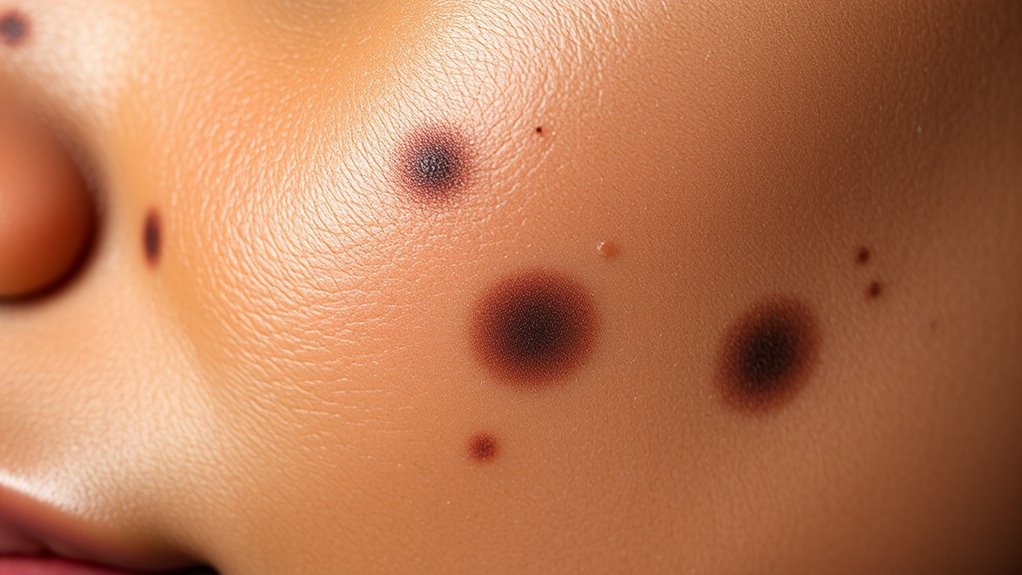
Hyperpigmentation occurs when your skin produces excess melanin, the pigment responsible for color. When this happens, you notice dark patches or spots forming on your skin. Several factors can cause this overproduction, including inflammation, hormonal changes, or skin injuries. Your skin responds to these triggers by increasing melanin in affected areas, leading to uneven skin tone. Sometimes, hyperpigmentation develops gradually, especially if you experience repeated skin irritation or inflammation. It’s your skin’s way of protecting itself, but the result can be unsightly dark spots or patches. Understanding how hyperpigmentation develops helps you identify potential triggers and take steps to prevent it. Recognizing the signs early enables you to manage and treat hyperpigmentation more effectively. Additionally, the body’s response to external stimuli plays a significant role in the development of hyperpigmentation, emphasizing the importance of protecting your skin from harmful factors.
The Role of Sun Exposure in Dark Spot Formation

Have you ever noticed dark spots becoming more prominent after spending time in the sun? Sun exposure triggers your skin to produce more melanin, the pigment responsible for color. When UV rays penetrate your skin, they stimulate melanocytes to make extra melanin as a defense mechanism. This excess melanin can accumulate, especially in areas exposed to sunlight, leading to dark spots or hyperpigmentation. The longer and more frequently you’re in the sun without protection, the more pronounced these spots become. Wearing sunscreen, seeking shade, and covering your skin can greatly reduce this risk. Remember, sun damage is cumulative, so even short periods of exposure matter. Protecting your skin today helps prevent dark spots and keeps your complexion even and healthy. Research into melanin production highlights how sun exposure directly influences pigmentation changes in the skin.
Hormonal Changes and Their Impact on Skin Pigmentation
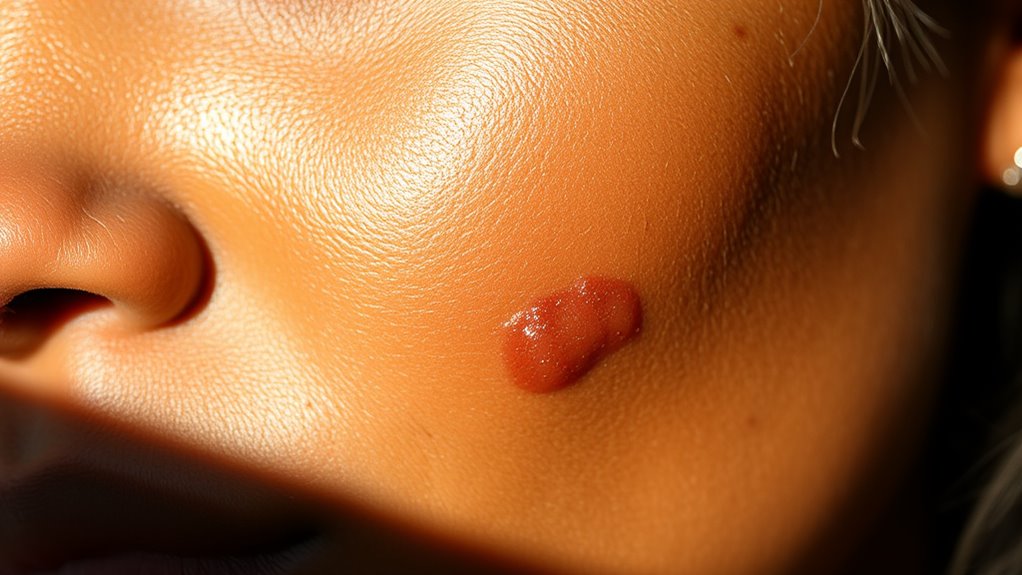
Hormonal fluctuations can increase melanin production, leading to darkening of the skin. During pregnancy, many women notice changes in pigmentation, often called melasma or “pregnancy mask.” Understanding how hormones influence pigmentation helps you better manage and prevent these changes. Proper skincare and sun protection are also crucial in minimizing the effects of hormonal pigmentation changes skin pigmentation.
Hormonal Fluctuations and Melanin
Hormonal fluctuations can substantially influence your skin’s melanin production, leading to noticeable changes in pigmentation. When hormones like estrogen and progesterone fluctuate, they can stimulate an increase in melanin, causing dark patches or spots. You might notice these changes during stressful times, hormonal imbalances, or age-related shifts. These pigment changes can make you feel self-conscious or frustrated, especially if they’re persistent. Understanding how seasonal variations affect your skin can help you better prepare and adapt your skincare routine accordingly. Be aware of how hormonal shifts impact your skin and take proactive steps to protect it. You have the power to minimize these effects and maintain your skin’s natural glow.
- Feel confident in your skin again
- Regain control over uneven pigmentation
- Discover effective prevention strategies
- Embrace your unique beauty
- Feel empowered in your skincare journey
Pregnancy and Pigmentation Changes
During pregnancy, your body undergoes significant hormonal shifts that can lead to noticeable changes in skin pigmentation. These fluctuations increase melanin production, often causing dark patches like melasma or the linea nigra. To visualize this, consider:
| Before Pregnancy | During Pregnancy |
|---|---|
| Even skin tone | Darkened patches |
| Clear complexion | Hyperpigmented spots |
| No linea nigra | Dark line along the abdomen |
| Balanced melanin | Uneven pigmentation |
These changes happen because hormones like estrogen and progesterone stimulate melanin production. While common, they can be temporary or persistent. Protect your skin by using sunscreen, staying hydrated, and avoiding excessive sun exposure to minimize these pigmentation shifts. Incorporating essential oils for skin health may also support skin balance and healing.
Skin Inflammation and Its Connection to Dark Patches

Skin inflammation often triggers hyperpigmentation by stimulating melanin production in the affected area. When your skin reacts to injury, irritation, or infection, it signals your body to produce more melanin as part of the healing process. This excess melanin can lead to dark patches that linger long after the inflammation subsides. You might feel frustrated or self-conscious as these patches stand out, especially on visible areas.
Understanding the emotional impact of hyperpigmentation can help you adopt healthier coping strategies and seek appropriate support to improve your confidence.
Age-Related Factors Contributing to Hyperpigmentation

As you age, your skin’s cell turnover slows down, leading to the buildup of dark spots. Hormonal changes over time can also trigger hyperpigmentation, especially in women. Additionally, reduced collagen production makes your skin less resilient, making pigmentation issues more noticeable. Moreover, age-related AI-driven personalization in skincare can help tailor treatments to effectively address these changes.
Skin Cell Turnover Slowdown
With age, your skin’s natural cell renewal process slows down considerably, making it harder for your body to shed old, pigmented cells. This slowdown allows dark spots and hyperpigmentation to become more visible and persistent. As your skin struggles to refresh itself, dullness and uneven tone can take hold, eroding your confidence. You may notice:
- Dark patches that stubbornly linger
- A dull, tired appearance
- Uneven skin tone becoming more prominent
- Hyperpigmentation deepening over time
- Feelings of frustration and self-consciousness
This natural decline affects everyone, but understanding it empowers you to take steps to support your skin’s renewal, keeping it healthier and more radiant despite age. Recognizing this process helps you stay proactive in your skincare routine. Skin cell turnover naturally slows, emphasizing the importance of targeted treatments to promote renewal.
Hormonal Changes Over Time
Hormonal fluctuations that occur as you age can considerably influence the development of hyperpigmentation. As your hormone levels change, especially during menopause or andropause, they can trigger an increase in melanin production. Elevated levels of hormones like estrogen and progesterone can stimulate melanocytes, leading to dark patches on your skin. Additionally, hormonal imbalances from medications or health conditions can worsen hyperpigmentation. These changes often cause melasma, characterized by uneven, brownish patches on the face. You might notice these spots become more prominent over time, especially with sun exposure. Managing hormonal shifts through medical guidance and protecting your skin from UV damage can help prevent or reduce hyperpigmentation related to these age-related hormonal changes. Recognizing soulmate angel numbers can also provide emotional support during these changes, as they often symbolize harmony and positive transformation.
Reduced Collagen Production
Reduced collagen production as you age diminishes the skin’s ability to repair and regenerate, which can lead to uneven skin tone and hyperpigmentation. When collagen levels drop, your skin becomes thinner, less elastic, and more prone to damage. This slowdown allows dark spots and discoloration to become more noticeable, making hyperpigmentation worse. As your skin struggles to heal, you may feel frustrated by persistent uneven patches. You might notice:
- Your skin losing its youthful glow
- Dark spots deepening over time
- Increased sensitivity and redness
- A dull, tired appearance
- Shadows that no longer fade naturally
Understanding this process empowers you to take steps to protect and support your skin’s health, helping to minimize hyperpigmentation’s impact. Additionally, collagen production plays a crucial role in maintaining skin integrity and preventing damage that contributes to hyperpigmentation.
The Influence of Genetics on Skin Pigmentation Patterns

Genetics play a crucial role in determining your skin’s pigmentation patterns, influencing the amount and distribution of melanin produced in different areas. You inherit specific genes that control how much pigment your skin creates and where it deposits. This is why some people have naturally darker or lighter patches, freckles, or uneven pigmentation. Your ancestry heavily impacts these patterns; for example, individuals with ancestral roots from regions with high sun exposure often develop darker skin with more uniform melanin distribution. These genetic factors set the baseline for your skin’s appearance, making hyperpigmentation or uneven spots more or less likely. Understanding your genetic makeup can help you better comprehend your skin’s unique response to environmental factors and tailor your skincare routine accordingly.
Common Skin Care Products That Can Cause Darkening
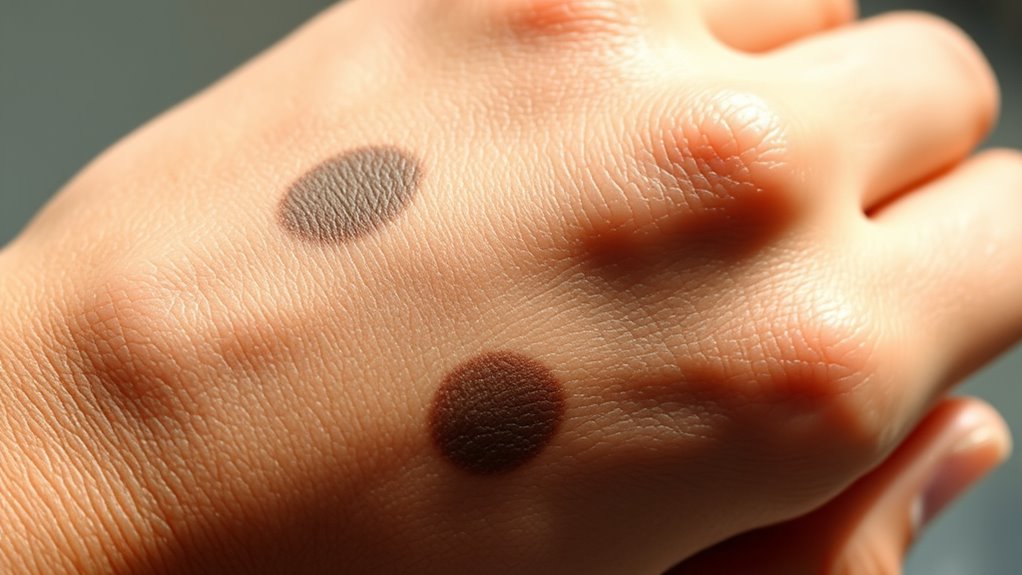
Certain skin care products contain ingredients that can irritate your skin or make hyperpigmentation worse. Some ingredients may cause a reaction or sensitivity, especially if your skin is already prone to darkening. Additionally, photosensitive components in products can increase your risk of dark spots when exposed to sunlight.
Potential Irritating Ingredients
Many common skin care products contain ingredients that can irritate your skin and trigger hyperpigmentation. These irritants may not seem harmful at first, but they can cause inflammation, leading to dark spots and uneven tone. Be cautious of products that contain harsh chemicals or strong fragrances.
You might unknowingly expose your skin to ingredients that worsen your condition. Here are some common culprits:
- Alcohol-based toners that dry out your skin
- Fragrance-heavy creams causing irritation
- Sulfates in cleansers stripping moisture
- Certain preservatives like parabens
- Strong exfoliants that damage your skin barrier
Avoiding these ingredients can help prevent darkening and protect your skin’s health. Always read labels carefully and opt for gentle, soothing formulations to support your skincare goals.
Photosensitive Components
Photosensitive components in skincare products can increase your skin’s sensitivity to sunlight, making it more prone to darkening and hyperpigmentation. Ingredients like citrus extracts, retinoids, alpha hydroxy acids (AHAs), and certain essential oils can make your skin more reactive to UV rays. When exposed to sunlight, these substances can trigger an overproduction of melanin, leading to dark spots and uneven skin tone. To protect yourself, always check product labels for photosensitizing ingredients and avoid sun exposure immediately after applying these products. Use broad-spectrum sunscreen daily, especially if you’re using treatments that contain retinoids or acids. Wearing protective clothing and seeking shade can also reduce your risk of hyperpigmentation caused by photosensitive components.
Lifestyle Habits That May Accelerate Hyperpigmentation

Lifestyle habits can markedly influence the development and worsening of hyperpigmentation. Your daily choices can either protect your skin or accelerate dark spots. For example, neglecting sun protection exposes your skin to harmful UV rays, fueling pigmentation issues. Picking at or irritating your skin can lead to inflammation and increased melanin production. Poor sleep and high stress levels can also disrupt your skin’s healing process. Additionally, smoking damages skin cells and reduces oxygen flow, worsening hyperpigmentation. Consuming excessive alcohol can dehydrate your skin and impair its ability to recover.
- Skipping sunscreen daily, leaving your skin vulnerable to harmful UV rays
- Touching or picking at dark spots, worsening their appearance
- Ignoring skincare routines, allowing pigmentation to deepen
- Living with chronic stress, hindering skin healing
- Smoking, which damages skin and accelerates darkening
Effective Strategies for Preventing Dark Spots

Taking proactive steps to prevent dark spots can considerably improve your skin’s appearance over time. Start by consistently applying a broad-spectrum sunscreen with at least SPF 30, even on cloudy days. Reapply every two hours if you’re outdoors, especially after sweating or swimming. Incorporate antioxidants like vitamin C into your skincare routine; they help neutralize free radicals that cause hyperpigmentation. Keep your skin well-hydrated and avoid harsh scrubs that can irritate and trigger more pigment production. Wearing protective clothing, sunglasses, and seeking shade during peak sun hours also helps minimize UV exposure. Additionally, avoid picking or squeezing existing spots to prevent further darkening. By adopting these habits, you actively reduce your risk of developing new dark spots and support healthier, more even-toned skin.
Protecting Your Skin: Daily Tips to Minimize Hyperpigmentation

To effectively minimize hyperpigmentation, incorporating simple yet consistent daily habits that protect your skin from UV damage and irritation is vital. Start each day with broad-spectrum sunscreen, even when it’s cloudy, to shield your skin from harmful rays. Wear protective clothing, like wide-brimmed hats and UV-blocking sunglasses, to reduce exposure. Avoid harsh skincare products that can irritate your skin and worsen dark spots. Stay hydrated and nourish your skin with gentle, calming ingredients. Prioritize seeking shade during peak sunlight hours.
- Feel confident knowing you’re actively defending your skin’s health
- Embrace the power of protection to keep dark spots at bay
- Take control of your skin’s future with simple daily steps
- Protect what matters most—your radiant, even complexion
- Make self-care a daily act of love for your skin
Frequently Asked Questions
Can Certain Medications Cause or Worsen Hyperpigmentation?
Certain medications can indeed cause or worsen hyperpigmentation. When you take drugs like antibiotics, anti-inflammatory medicines, or chemotherapeutic agents, they may trigger skin darkening as a side effect. You might notice increased pigmentation on sun-exposed areas or elsewhere. To minimize this, follow your doctor’s advice, avoid excessive sun exposure, and use sunscreen. Always inform your healthcare provider if you observe changes in your skin after starting new medications.
How Does Diet Influence Skin Pigmentation and Dark Spots?
Diving into diet’s impact on skin, you’ll find that what you eat directly influences pigmentation and dark spots. A diet rich in antioxidants fights free radicals, helping fade discoloration. Conversely, excessive sugars and processed foods may promote inflammation and darkening. Incorporate colorful fruits, vegetables, and hydration to support skin’s brightness. By balancing your bites, you bolster your beauty, banishing blemishes and brightening your visage naturally.
Are There Specific Skincare Ingredients Effective Against Hyperpigmentation?
You should look for skincare ingredients proven to target hyperpigmentation. Ingredients like vitamin C brighten your skin and reduce dark spots, while niacinamide helps even out your skin tone. Hydroquinone is effective but should be used under a dermatologist’s guidance. Alpha arbutin and kojic acid are gentle options that inhibit melanin production. Incorporating these into your routine can help fade existing spots and prevent new ones from forming.
Does Stress Play a Role in the Development of Hyperpigmentation?
Think of stress as a storm that stirs up your skin’s balance. It can indeed contribute to hyperpigmentation by triggering inflammation and hormonal shifts, which stimulate excess melanin production. When you’re stressed, your body releases cortisol, leading to skin changes and dark spots. Managing stress through relaxation techniques or proper sleep helps keep your skin clear, reducing the risk of hyperpigmentation developing or worsening.
Can Hyperpigmentation Be Completely Reversed or Only Managed?
Hyperpigmentation can often be managed effectively, but complete reversal isn’t always possible. You might see significant improvement with treatments like topical creams, chemical peels, or laser therapy, especially if caught early. However, some discoloration may persist due to deep pigmentation or scarring. Consistently protecting your skin from sun exposure and following your dermatologist’s advice can help manage existing spots and prevent new ones from forming.
Conclusion
By understanding what causes hyperpigmentation and taking proactive steps, you can keep your skin radiant and flawless. Protect yourself from the sun, maintain a healthy lifestyle, and choose gentle skincare products. Remember, your skin’s health is the foundation of your confidence—don’t let dark spots take over. With consistent care, you can prevent those pesky patches from multiplying like wildfire. Take control now and release your skin’s true glow!